Blog
Why Is My Lawn Uneven After Mowing? Causes & Fixes

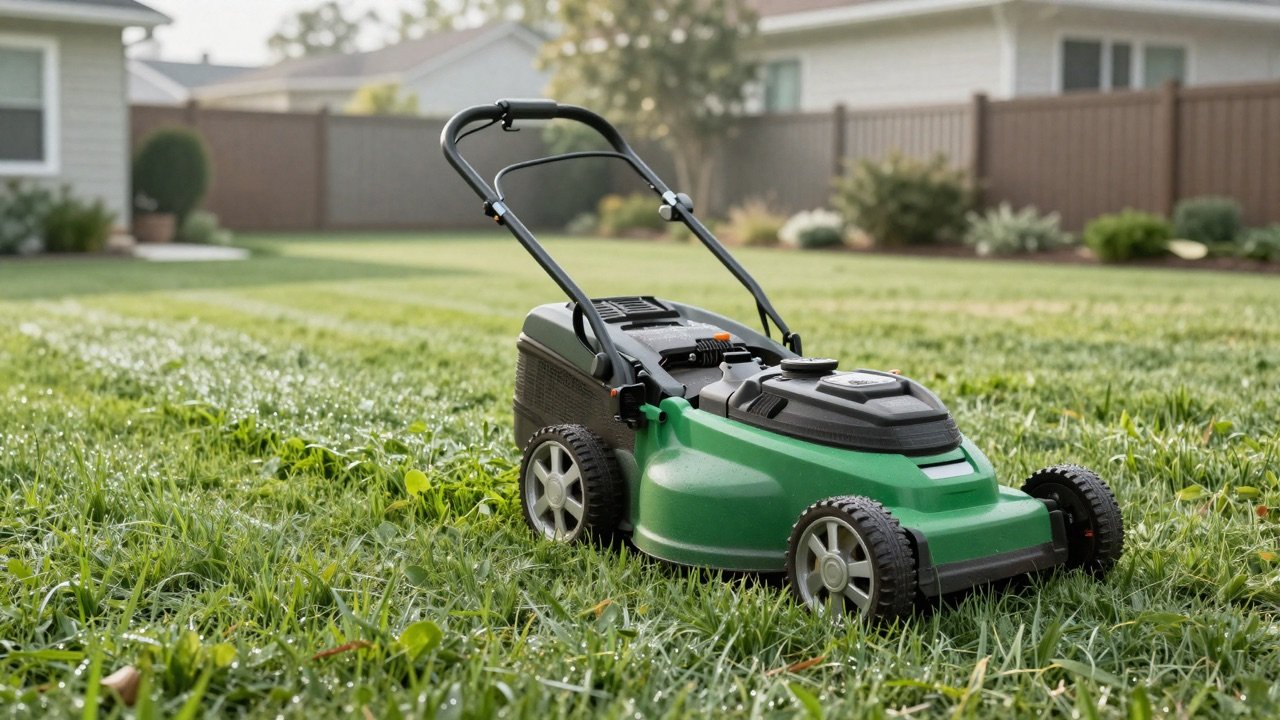
You spend an hour cutting the grass, step back to admire your work, and there it is: a patchy, wavy, scalped mess instead of the smooth carpet you pictured. An uneven lawn after mowing is one of the most common frustrations homeowners bring to us, and the good news is that it is almost always fixable. The trick is figuring out whether the problem is your mower, your technique, or the ground itself. In this guide, we will walk through the real causes of an uneven cut and the practical fixes that deliver a level, professional-looking finish.
What an Uneven Lawn After Mowing Actually Looks Like
Before you fix it, name it. “Uneven” can mean several different problems, and each points to a different cause:
- Scalping: bare or yellow patches where the mower cut too low, usually on high spots or bumps.
- Washboarding (ripples): regular wavy ridges across the lawn, like a corrugated roof.
- Stepping or streaking: visible strips of taller grass between passes.
- Tilted cut: one side of the lawn consistently shorter than the other.
- Ragged, frayed tips: grass that looks torn rather than cleanly sliced.
Identifying your pattern is the fastest way to land on the right fix, so keep these descriptions in mind as we go.
Mower-Related Causes (the Most Common Culprits)
Most of the time, an uneven cut starts with the machine. Here are the issues we see most often.
Dull or Damaged Blades
A dull blade tears grass instead of slicing it, leaving ragged, uneven tips that quickly brown. Nicked or bent blades cut at inconsistent heights. As a rule, sharpen your blades at least twice per season, or more if you mow large areas or hit debris. If a blade is bent or deeply gouged, replace it rather than trying to grind it straight.
Uneven Tire Pressure
This one surprises people. If your mower’s tires are inflated unevenly, the deck tilts to one side, and you get a cut that is shorter on the low side. Check all tires with a gauge and set them to the pressure printed on the sidewall or in your owner’s manual. This single fix solves a lot of “tilted cut” complaints, especially on riding mowers and zero-turns.
An Unlevel Mower Deck
The cutting deck should sit slightly lower at the front than the rear, a setup called “rake” or “pitch.” If the deck is level side to side and properly pitched, you get a clean cut. If it has drifted out of adjustment, you will see streaking or a one-sided cut. Most decks can be re-leveled with a few bolt adjustments and a flat surface. Your manual will show the exact gap measurements.
Mowing Too Fast
Ground speed matters. Push the machine too quickly and the blades cannot make a clean pass, producing washboard ripples and missed grass. Slow down, especially in thick or damp grass, and let the blades do their job.
A Clogged or Worn Deck
Caked grass under the deck disrupts airflow, and good airflow is what lifts grass upright for an even cut. Clean the underside after mowing, and inspect for worn baffles or a damaged deck shell that could be throwing off the discharge.
Technique Causes You Can Fix Today
Even a perfectly tuned mower will leave an uneven lawn if your habits work against it. A few adjustments make a big difference:
- Stop cutting too short. Scalping is often a height-setting problem. Most cool-season grasses thrive at 3 to 4 inches; many warm-season types prefer 1.5 to 2.5 inches. Raise the deck and you will hide minor ground bumps.
- Follow the one-third rule. Never remove more than one-third of the grass blade in a single mow. Cutting overgrown grass all at once stresses the lawn and exposes unevenness.
- Mow when it is dry. Wet grass clumps, bends, and clogs, all of which produce a streaky, patchy result.
- Overlap your passes. Overlap each pass by a few inches so you do not leave thin strips of uncut grass between rows.
- Change your direction. Mowing the same pattern every week trains grass to lean and compacts wheel tracks. Rotate your mowing direction each session for a more upright, even stand.
Soil and Ground Causes (When the Lawn Itself Is the Problem)
Sometimes the mower and your technique are fine, but the ground underneath is the issue. A bumpy surface forces the deck up and down, so high points get scalped and low points get missed.
Bumps, Dips, and Settling
Lawns develop lumps from frost heave, burrowing animals, old tree roots, settled fill, and heavy foot traffic. For minor unevenness, topdress low spots with a thin layer (no more than half an inch at a time) of a sand-and-compost mix, then let the grass grow up through it. Repeat seasonally until level. For severe dips, you may need to cut, lift, and re-grade the sod.
Compaction and Thatch
Compacted soil and a thick thatch layer create a spongy, uneven surface and weak, patchy growth. Core aeration once a year relieves compaction, while dethatching removes the buildup that smothers your grass. Both lead to denser, more uniform turf over time.
Thin or Bare Patches
If the unevenness is really about color and density rather than height, overseeding is your friend. Fill thin areas, water consistently, and you will close the gaps that make a freshly mowed lawn look blotchy.
A Simple Diagnostic Checklist
When you are staring at an uneven lawn after mowing and are not sure where to start, run through this quick checklist:
- Are the blades sharp and straight?
- Are all tires at equal, correct pressure?
- Is the deck level side to side and properly pitched?
- Is the underside of the deck clean?
- Are you cutting at the right height and following the one-third rule?
- Is the grass dry, and are you overlapping passes?
- Does the ground itself have bumps, dips, or compaction?
Work top to bottom and you will usually find the cause within the first two or three checks.
Frequently Asked Questions
Why is one side of my lawn always shorter after mowing?
A consistently shorter side almost always means your mower deck is tilted. The usual cause is uneven tire pressure, so check and equalize all tires first. If pressure is correct, the deck itself may be out of level and need adjustment to the gap measurements in your owner’s manual.
Can a dull blade really make my lawn look uneven?
Yes. A dull blade tears grass rather than slicing it, leaving frayed tips at slightly different heights that brown within a day or two. This gives the whole lawn a rough, uneven appearance even when your cutting height is correct. Sharpen blades a couple of times each season for a clean, level cut.
How do I fix a bumpy lawn without digging it all up?
For minor bumps and dips, topdress with a thin layer of sand and compost (about half an inch at a time) and let the grass grow through. Repeat over a few seasons until the surface levels out. Core aeration also helps by relieving compaction. Only major grading problems require lifting and re-laying sod.
Does mowing wet grass cause an uneven cut?
It does. Wet grass clumps and bends instead of standing upright, so the blades miss patches and leave streaks. Wet clippings also clog the deck and reduce the airflow that lifts grass for a clean cut. Wait until the lawn is dry for the most even results.
Get a Smooth, Even Cut Every Time
An uneven lawn after mowing is rarely one big problem, it is usually a small one hiding in plain sight: a dull blade, a tilted deck, a habit, or a bumpy patch of ground. Work through the checklist above and you will dial in a level, professional finish without hiring anyone. If your current mower is fighting you, the right machine with sharp blades and a stable, well-built deck makes all the difference. Browse our full selection of mowers, parts, and outdoor power equipment in the shop, learn more about our free shipping and 30-day returns on the about page, or contact our real-person support team for help choosing the right setup for your yard.