Blog
Storm Prep: Using a Portable Generator Safely

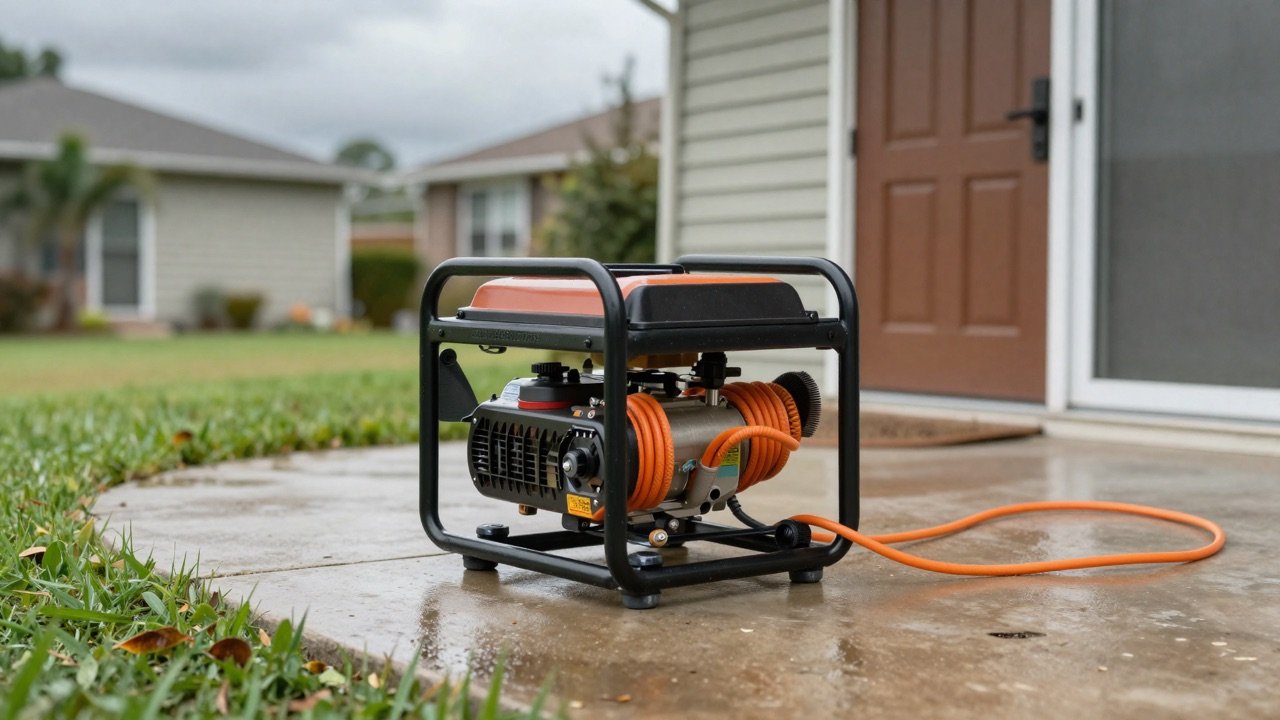
When a storm knocks out the power, a portable generator can keep your fridge cold, your sump pump running, and your phones charged. But that convenience comes with real hazards, and good generator safety is the difference between a comfortable outage and a trip to the emergency room. Every year, preventable accidents happen because someone placed a generator too close to the house or back-fed power into their wiring. The good news: a few simple habits keep you and your family protected. This guide walks you through everything you need to run a portable generator the right way before, during, and after the next big storm.
Why Generator Safety Matters Most During Storms
Storms create the exact conditions where generators are both most useful and most dangerous. Power can be out for days, tempting people to cut corners. Rain and flooding raise the risk of electrocution. And when windows are shut against the weather, deadly carbon monoxide builds up fast. Understanding the three main risk categories helps you stay ahead of trouble:
- Carbon monoxide (CO) poisoning — the single biggest killer, caused by running a generator in or too near an enclosed space.
- Electrical hazards — shock, electrocution, and dangerous back-feeding into utility lines.
- Fire and fuel hazards — from refueling a hot engine, storing gasoline improperly, or overloading circuits.
Master these three areas and you have covered the vast majority of generator dangers. Let’s break each one down.
Carbon Monoxide: The Silent, Deadly Threat
Carbon monoxide is colorless, odorless, and fast-acting. A single portable generator can produce as much CO as hundreds of running cars. People have died from generators placed in a garage with the door open, on a covered porch, or even just outside an open window. The gas drifts indoors and accumulates before anyone notices symptoms like headache, dizziness, nausea, or confusion.
Where to place your generator
Follow these placement rules every single time, with no exceptions:
- Run the generator outdoors only — never in a garage, basement, shed, crawl space, or any partially enclosed area, even with doors and windows open.
- Keep it at least 20 feet away from your home, with the exhaust pointed away from doors, windows, and vents.
- Position it so wind won’t blow exhaust back toward the house.
- Keep it dry — operate under an open canopy-style cover or generator tent, never inside a building.
Install CO alarms
Place battery-powered or battery-backup carbon monoxide alarms on every level of your home and near sleeping areas. Test them before storm season. If a CO alarm sounds, get everyone outside to fresh air immediately and call 911. Many newer portable generators also include built-in CO sensors that automatically shut the engine off when dangerous levels are detected; if you’re shopping for a new unit, this feature is well worth it.
Electrical Safety and the Back-Feeding Danger
How you connect appliances to your generator matters just as much as where you place it. The most dangerous mistake is “back-feeding,” plugging a generator into a wall outlet to power your whole house. This sends electricity backward through your home’s wiring and out to the utility lines, where it can electrocute line workers and start fires. It also bypasses your home’s circuit protection. Never do it.
Instead, use one of these safe connection methods:
- Plug appliances directly into the generator using heavy-duty, outdoor-rated extension cords. Inspect cords for cuts or frayed insulation before use.
- Install a manual transfer switch — a licensed electrician wires this into your panel so you can safely power selected circuits. This is the gold standard for whole-home backup with a portable unit.
A few more electrical rules to live by:
- Keep the generator and all connections dry. Operate with dry hands while standing on a dry surface.
- Make sure the total wattage of your appliances stays under the generator’s rated capacity to avoid overloading.
- Use cords rated for the load and length you need — longer runs require thicker gauge wire.
- Plug in items one at a time, starting with the highest-draw appliances.
Fuel Handling and Fire Prevention
Gasoline and a hot engine are a risky combination. Burns and fires from refueling are common, and they’re entirely avoidable. Practice these fuel habits:
- Turn the generator off and let it cool for several minutes before refueling. Spilled gas on a hot engine can ignite instantly.
- Store fuel in an approved, clearly labeled container, away from living spaces and any heat source or pilot light.
- Keep only the amount of fuel you need on hand, and use a fuel stabilizer if storing gasoline for more than a month.
- Have a fire extinguisher rated for fuel fires nearby, and know how to use it.
- Never smoke near the generator or fuel.
If your generator runs on propane or is a dual-fuel model, follow the manufacturer’s guidance for connecting and securing tanks, and check fittings for leaks before starting.
Before, During, and After the Storm
A little preparation makes a big difference when the lights go out. Use this simple timeline to stay ready and stay safe.
Before the storm
- Test-run your generator now, not when the wind is howling. Confirm it starts and runs smoothly.
- Stock up on the right oil, fresh fuel, stabilizer, and outdoor-rated cords.
- Read your owner’s manual and review the maintenance schedule.
- Identify a safe, dry, 20-foot-away spot for operation in advance.
During the outage
- Set up and start the generator outdoors before connecting any loads.
- Monitor CO alarms and watch for symptoms in anyone indoors.
- Don’t overload it — prioritize essentials like refrigeration, medical devices, and sump pumps.
After power returns
- Power down loads, then shut off the generator and let it cool.
- Store fuel safely and clean any spills.
- Run the engine dry or add stabilizer before long-term storage to protect the carburetor.
Keep Your Generator Storm-Ready Year-Round
A generator that sits unused for months may not start when you need it. Routine upkeep keeps it reliable. Change the oil per the manual, replace air and fuel filters as needed, keep the spark plug fresh, and exercise the unit by running it briefly every month or two. Treat or drain old fuel so it doesn’t gum up the system. If you’re not sure where to start, our friendly, real-person support team is happy to point you to the right parts and maintenance items.
Frequently Asked Questions
How far should a portable generator be from the house?
Keep it at least 20 feet away from your home, with the exhaust directed away from any doors, windows, or vents. Never run it inside a garage, shed, or covered porch, even with the door open. Distance and ventilation are the keys to avoiding carbon monoxide buildup.
Can I run a generator in the rain?
Not directly exposed. Water and electricity are dangerous together, and a wet generator can cause shock or short out. Operate it under an open, well-ventilated canopy or a purpose-made generator tent that keeps rain off while still allowing exhaust to escape safely outdoors.
Is it safe to plug a generator into a wall outlet?
No. This practice, called back-feeding, is extremely dangerous. It can electrocute utility workers, start fires, and bypass your home’s safety features. Either plug appliances directly into the generator with rated cords, or have a licensed electrician install a transfer switch.
How big a generator do I need for storm backup?
Add up the wattage of the essentials you want to run — refrigerator, sump pump, lights, phone chargers, and any medical devices — and choose a unit comfortably above that total. Remember that some appliances draw extra power at startup, so leave headroom rather than running at maximum capacity.
The next storm is a matter of when, not if, so get prepared before you need it. Browse our full lineup of portable generators, transfer switches, cords, and maintenance parts on the Garden Homes Realty shop, all backed by free US shipping and 30-day returns. Have questions about sizing or safe setup? Reach out to our real-person support team or check our FAQ page for quick answers. Stay powered, and stay safe.