Blog
Lawn Mower Won’t Start? 10 Common Causes and Fixes

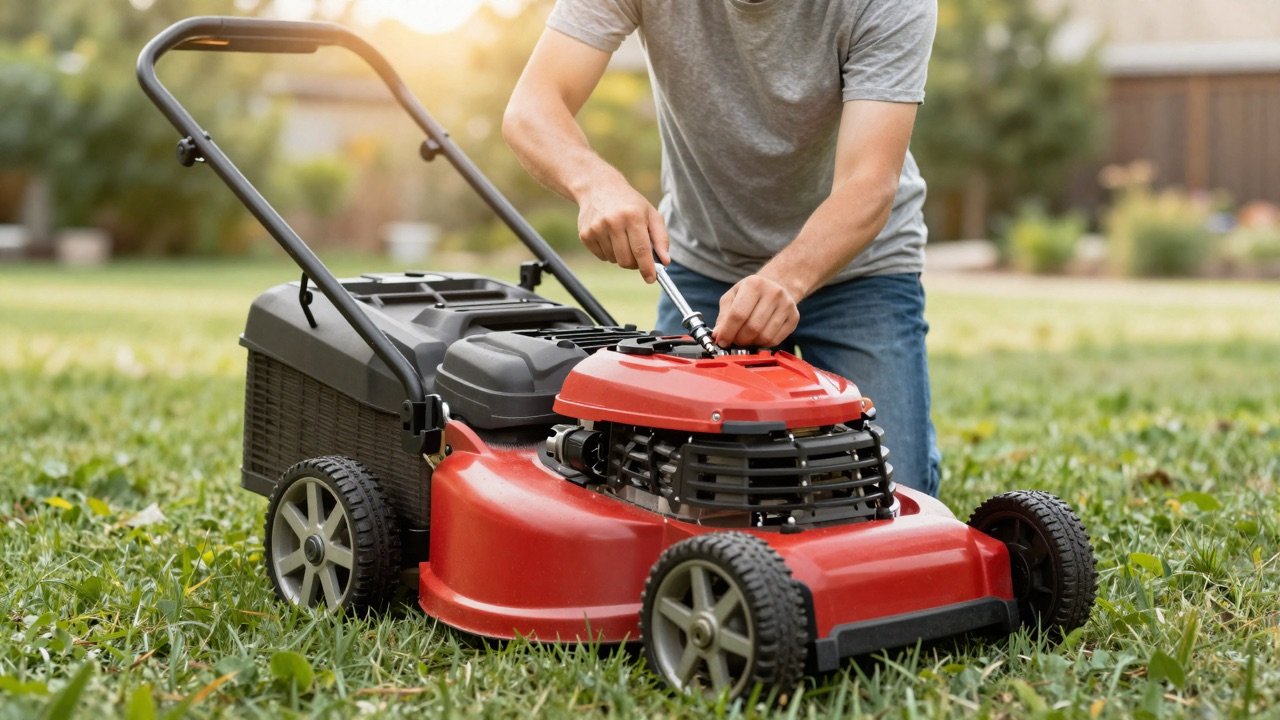
Few things are more frustrating than rolling out your mower on a sunny Saturday, yanking the cord, and getting nothing but silence. The good news: when a lawn mower won’t start, the cause is usually something small and fixable, not a dead engine. In this guide we walk through the 10 most common reasons a mower refuses to fire up, with clear step-by-step fixes you can try at home in a few minutes. Most require only basic tools and a little patience.
Before you start, always disconnect the spark plug wire so the engine can’t accidentally turn over while your hands are near the blade. Safety first, then diagnosis.
Why a Lawn Mower Won’t Start: Start Here
Most no-start problems come down to three things an engine needs: fuel, spark, and air. If any one is missing or contaminated, your lawn mower won’t start. Work through the list below in order, since the early items are the most common and the quickest to rule out. Push mowers, self-propelled walk-behinds, riding tractors, and zero-turns all share the same basic logic, so this checklist applies whether you have a small engine or a big one.
- Fuel issues – stale gas, empty tank, clogged lines or filter
- Spark issues – fouled or loose spark plug, bad wire
- Air issues – dirty air filter, choked carburetor
- Electrical issues – dead battery, blown fuse, safety switches
1. Old or Stale Fuel in the Tank
This is the number-one culprit, especially on the first mow of the season. Gasoline starts to break down in as little as 30 days, and ethanol-blended fuel attracts moisture that gums up the system. If your gas has been sitting since last fall, drain it.
Fix: Siphon out the old fuel, refill with fresh gasoline, and add a fuel stabilizer if the mower will sit between uses. For badly varnished fuel, you may also need to clean the carburetor (see #6).
2. Fouled or Faulty Spark Plug
A dirty, corroded, or worn spark plug can’t create the spark needed for combustion. Pull the plug and look at the tip: black, oily, or crusty deposits mean trouble.
Fix:
- Remove the spark plug with a plug socket.
- Clean light deposits with a wire brush, or replace the plug entirely (they’re inexpensive).
- Check the gap against your owner’s manual spec.
- Reinstall snugly and reconnect the wire firmly.
A fresh spark plug once a season is cheap insurance against a no-start.
3. Clogged Air Filter
An engine needs to breathe. A filter packed with grass, dust, and debris chokes airflow, leaving the engine flooded or starved. This is a frequent reason a lawn mower won’t start after a dusty mowing season.
Fix: Pop off the air filter cover. Tap out a paper filter or replace it if it’s gray and clogged. Foam filters can be washed in warm soapy water, dried completely, and lightly re-oiled. Never run the engine without the filter installed.
4. Dead or Weak Battery (Riding and Electric Mowers)
If you turn the key on a riding mower or zero-turn and hear only a click or nothing at all, suspect the battery. The same goes for battery-powered electric mowers that won’t power on.
Fix: Charge the battery fully and clean any corrosion off the terminals with a wire brush. If it won’t hold a charge or is more than three or four years old, replace it. For cordless electric mowers, make sure the battery pack is seated firmly and the charger is actually delivering power.
5. Disconnected or Dirty Spark Plug Wire
Sometimes the plug is fine but the wire has vibrated loose or gotten coated in dirt and oil, breaking the connection. It’s an easy thing to overlook.
Fix: Push the boot firmly back onto the spark plug until it clicks. Wipe the connection clean and inspect the wire for cracks or rodent damage, which is more common than you’d think on stored equipment.
6. Clogged Carburetor
When old fuel evaporates, it leaves behind a sticky varnish that blocks the tiny passages in the carburetor. This starves the engine of fuel and is a top reason a lawn mower won’t start after long storage.
Fix: A can of carburetor cleaner sprayed into the carb throat clears minor clogs. For stubborn buildup, remove the carburetor bowl, clean the jets with cleaner and compressed air, and reassemble. If it’s heavily corroded, a rebuild kit or replacement carb is the long-term fix.
7. Engine Flooded With Fuel
Repeated priming or pulling the cord with the choke on can flood the engine, soaking the spark plug so it can’t fire. You’ll often smell raw gasoline.
Fix: Let the mower sit for 15 to 20 minutes to let the fuel evaporate. Then move the choke to the run position and pull the cord without priming. If it’s badly flooded, remove and dry the spark plug before trying again.
8. Engaged Safety Switches and Levers
Modern mowers have safety interlocks that prevent starting unless conditions are met. A lawn mower won’t start if the bail/dead-man’s handle isn’t held against the handlebar, the blade is engaged, or you’re not seated on a riding mower.
Fix: Hold the safety bar fully, disengage the blade (PTO), and sit in the seat on a riding model. If everything is set correctly and it still won’t start, a faulty safety switch may need replacing.
9. Low Oil or Oil Sensor Trip
Many newer engines have a low-oil shutdown that blocks starting to protect the engine from damage. Run too low and it simply won’t crank to life.
Fix: Check the dipstick and top up with the correct oil grade. Also make sure the mower is on level ground, since a steep slope can fool the sensor into thinking oil is low.
10. Clogged Fuel Filter or Line
A blocked inline fuel filter or kinked line stops gas from reaching the carburetor. If everything else checks out and you still get no fuel, look here.
Fix: Inspect the clear fuel line for debris and replace a dirty filter (a low-cost part). Make sure the fuel shutoff valve, if your mower has one, is in the open position.
When to Call in a Pro
If you’ve worked through this list and your lawn mower won’t start, the issue may be deeper, such as a failed ignition coil, blown head gasket, or compression problem. At that point, a small-engine repair shop or a new mower may be the smarter spend. Not sure whether to repair or replace? Our team is happy to talk it through. Reach out anytime through our contact page or browse the FAQ for quick answers.
Frequently Asked Questions
Why won’t my lawn mower start after sitting all winter?
The most common reason is stale fuel that has gummed up the carburetor and fouled the spark plug. Drain the old gas, refill with fresh fuel, replace or clean the spark plug, and spray carburetor cleaner if needed. Using a fuel stabilizer before storage prevents this next year.
My lawn mower won’t start but I hear it trying to turn over. What’s wrong?
If the engine cranks but won’t fire, you almost certainly have a fuel, spark, or air problem. Check for fresh gas, a clean spark plug with a firmly connected wire, and an unclogged air filter. A flooded engine can also cause this, so let it sit and try again with the choke off.
How do I start a flooded lawn mower?
Wait 15 to 20 minutes for the excess fuel to evaporate, move the choke to the run position, and pull the cord without priming. If it’s still flooded, remove the spark plug, dry it off, reinstall it, and try once more.
How often should I replace the spark plug and air filter?
Replace the spark plug and air filter at least once per season, or every 25 hours of use, whichever comes first. Both are inexpensive and dramatically reduce no-start headaches and hard starting.
Get the Right Parts and Equipment
A quick tune-up of fresh fuel, a new spark plug, and a clean air filter solves most no-start problems in under an hour. If you’d rather upgrade to a more reliable machine or stock up on parts, browse our full selection of mowers, tractors, and outdoor power equipment in our online store. Every order ships free in the US, comes with a 30-day return window, and is backed by real-person support. Want a recommendation before you buy? Contact our team and we’ll point you in the right direction.