Blog
How to Winterize Your Lawn Mower for Storage

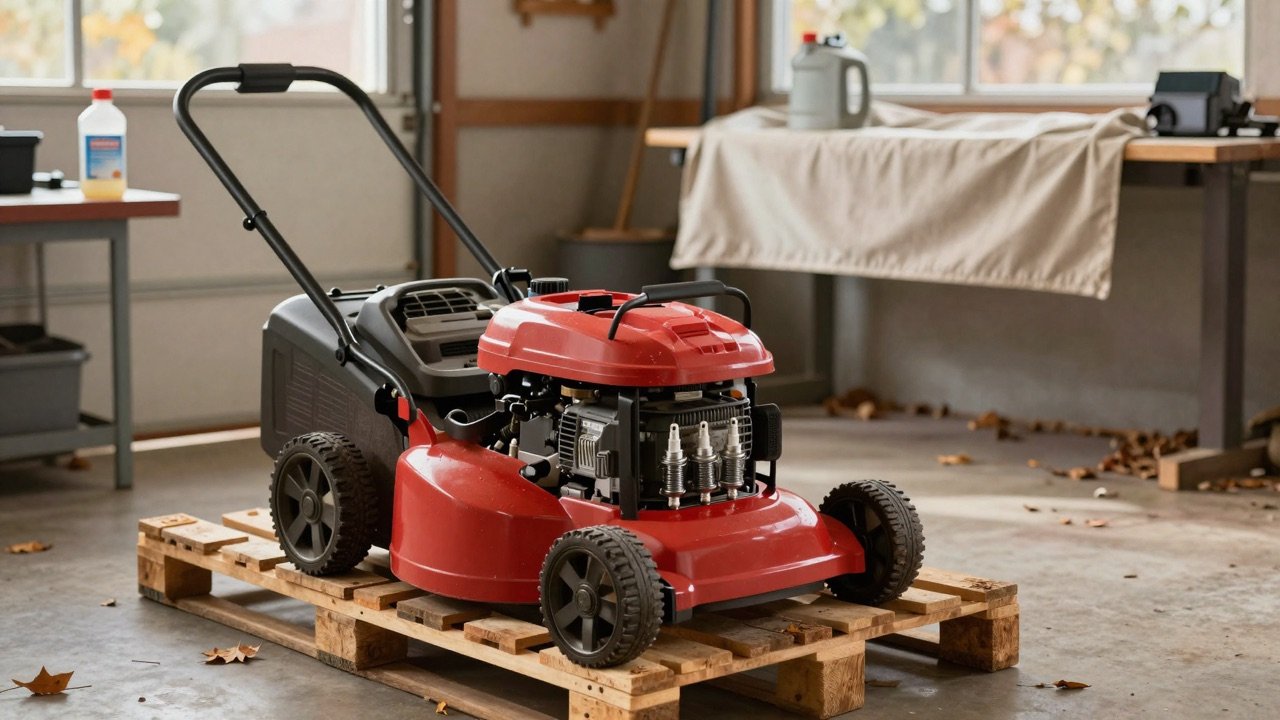
When the mowing season winds down, the worst thing you can do is roll your mower into the shed and forget about it until spring. Old fuel, a damp battery, and a dirty deck can turn a perfectly good machine into a no-start headache by April. The good news is that learning how to winterize your lawn mower takes about an hour, costs very little, and saves you from expensive repairs down the road. In this guide we will walk through exactly how to winterize a lawn mower the right way, whether you own a push mower, a riding tractor, or a zero-turn.
Spending one afternoon now is the difference between a mower that starts on the first pull and one that needs a trip to the repair shop. Let’s get into it.
Why You Need to Winterize Your Lawn Mower
Most off-season mower problems trace back to a handful of avoidable issues. Gasoline begins to break down in as little as 30 days, leaving behind gummy varnish that clogs the carburetor and fuel lines. Moisture builds up inside the engine and gas tank, leading to rust and corrosion. Battery charge drains away in the cold, and grass clings to the underside of the deck where it traps damaging moisture against the metal.
Winterizing solves all of these at once. A properly stored mower holds its value, lasts years longer, and is ready to work the moment your grass starts growing again. It also keeps your warranty intact, since many manufacturers require proper off-season maintenance.
What You’ll Need Before You Start
Gather your supplies first so you are not running to the store halfway through. Here is a simple checklist:
- Fuel stabilizer
- Fresh engine oil and a new oil filter (if applicable)
- A new or cleaned spark plug
- A new air filter
- A fuel siphon or container (if you plan to drain the tank)
- A battery tender or trickle charger for riding mowers
- Grease, a wire brush, and a putty scraper
- Work gloves, safety glasses, and a few clean rags
Always work on a cool engine, and disconnect the spark plug wire before you touch the blade or deck. Safety first, every time.
Step-by-Step: How to Winterize a Lawn Mower
Follow these steps in order. They apply to walk-behind mowers, riding tractors, and zero-turns, with a few extras noted for larger machines.
1. Handle the Fuel
You have two solid options. Either run the tank dry by letting the engine burn off the last of the gas, or fill the tank with fresh fuel and add a stabilizer according to the bottle’s directions. If you stabilize, run the engine for about ten minutes so the treated fuel circulates through the carburetor. Leaving untreated gas in the tank all winter is the number one cause of spring no-starts, so do not skip this step.
2. Change the Oil and Filter
Used oil contains acids and moisture that corrode engine internals over a long storage period. Drain the warm oil, replace the filter if your mower has one, and refill with fresh oil to the correct level. Doing this now means clean oil protects your engine all winter and you are ready to mow in spring.
3. Replace the Spark Plug and Air Filter
A fresh spark plug and clean air filter cost only a few dollars and make spring startup effortless. While the plug is out, you can squirt a small amount of oil into the cylinder and pull the starter cord a couple of times to coat the cylinder walls and prevent internal rust. Reinstall the plug afterward.
4. Clean the Mower Deck and Underside
Scrape away caked grass from under the deck with a putty knife, then brush off the rest. Wet grass clippings hold moisture against the steel and accelerate rust. Wipe the deck down and let it dry completely before storage.
5. Inspect and Sharpen the Blade
The off-season is the perfect time to remove the blade, sharpen it, and balance it, or simply replace it if it is worn or bent. Coat the clean blade lightly with oil to prevent rust. You will start next season with a sharp blade that gives a clean, healthy cut.
6. Care for the Battery (Riding and Zero-Turn Mowers)
For battery-powered riding mowers and tractors, disconnect the battery and store it in a cool, dry place off of concrete. Hook it to a battery tender or trickle charger to keep it topped off through the winter. A neglected battery often will not survive the cold, so this step pays for itself fast.
7. Grease, Lubricate, and Protect
Apply grease to any fittings, pivot points, wheels, and cables noted in your owner’s manual. A light coat of lubricant on bare metal surfaces helps fend off rust. Move the machine into a dry, covered space and cover it with a breathable tarp rather than plastic, which traps condensation.
Common Winterizing Mistakes to Avoid
Even a careful owner can slip up. Watch out for these:
- Leaving old gas in the tank. This is the single most common reason mowers will not start in spring.
- Storing the battery on a concrete floor. Cold concrete can drain a battery faster. Set it on a wood shelf or rubber mat.
- Using a plastic cover or sealed bag. Plastic traps moisture and promotes rust. Choose a breathable cover.
- Skipping the oil change. Dirty oil left to sit all winter quietly corrodes the engine.
- Forgetting to clean the deck. Trapped grass equals trapped moisture equals rust.
Where to Store Your Mower for the Winter
The ideal storage spot is dry, sheltered, and away from anything that could ignite fuel vapors, such as a water heater or furnace pilot light. A garage, shed, or barn works well. Keep the mower off bare ground if possible, and make sure the area has decent airflow to reduce condensation. If outdoor storage is your only option, get the machine fully off the ground on blocks or a pallet and use a quality breathable cover to keep rain and snow off.
Frequently Asked Questions
Should I drain the gas or use a fuel stabilizer to winterize a lawn mower?
Either method works well. Running the tank dry removes the fuel that would otherwise gum up, while adding a stabilizer to a full tank keeps the gas usable and prevents moisture from forming inside an empty tank. Pick one approach and do it consistently. Just never leave untreated gasoline sitting all winter.
Do I really need to change the oil before winter storage?
Yes. Used oil holds acids and moisture that slowly corrode engine parts during months of inactivity. Fresh oil protects the engine through winter and means one less chore before your first mow in spring.
How do I store my lawn mower battery over winter?
Disconnect the battery, wipe the terminals clean, and store it in a cool, dry place off the concrete floor. Connect it to a battery tender or trickle charger so it stays charged. A battery left to sit and drain in the cold often will not hold a charge by spring.
Can I leave my lawn mower outside during winter?
It is far better to store it under cover in a garage or shed. If you must keep it outdoors, raise it off the ground and use a breathable, weatherproof cover. Outdoor storage exposes the machine to moisture, freeze-thaw cycles, and rust, so indoor storage will always extend its life.
Get Your Mower Ready for Spring
Taking an hour to winterize your lawn mower now protects your investment and guarantees an easy start when the grass comes back to life. If you need fuel stabilizer, a fresh blade, a new battery, or any other parts to finish the job, browse our full selection on the shop page, where US shipping is always free. Have a question about your specific model? Our real-person support team is glad to help, so reach out anytime or check our FAQ for quick answers. Stow it right this winter, and your mower will thank you in the spring.