Blog
How to Stripe Your Lawn Like a Pro

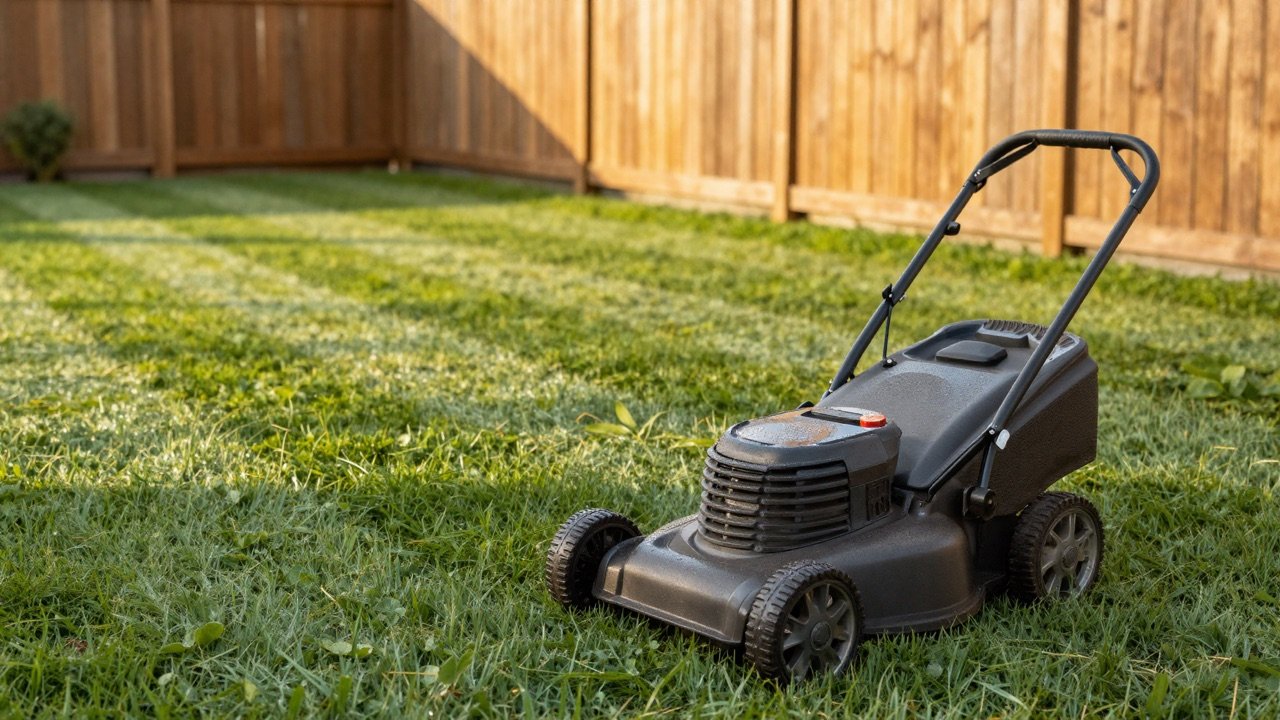
Few things make a yard look as polished as those crisp, alternating light-and-dark stripes you see on professional sports fields. The good news is that you do not need a groundskeeping crew or fancy turf to pull it off. If you have been wondering how to stripe your lawn and get that clean, manicured pattern at home, this guide walks you through exactly how it works, what gear you need, and the technique the pros use to make their lines pop.
Striping is one of the most satisfying upgrades you can give your yard, and it costs almost nothing if you already own a mower. Let’s break it down step by step.
What Lawn Striping Actually Is
Here is the part that surprises most people: lawn stripes are not two different colors of grass. They are the same grass, bent in different directions. When blades lean away from you, they reflect more light and look pale and silvery. When they lean toward you, you see more of the shadowed side, and they look dark and rich.
That means striping is all about light and direction, not chemicals, fertilizer, or special seed. By bending the grass one way and then the opposite way in neighboring rows, you create the alternating bands your eye reads as stripes. Move to a different vantage point in your yard and the light and dark rows will appear to swap, which is a fun way to prove the effect is purely optical.
The Gear You Need to Stripe Your Lawn
You can get visible stripes with nothing but your mower, but the right tools make the lines sharper and longer-lasting. Here is what helps:
- A lawn striping kit or roller. This is a weighted roller or rubber flap that attaches behind your mower deck and presses the grass flat as you pass. It dramatically deepens the contrast.
- A mower with a rear roller. Some reel mowers and certain rotary mowers have a built-in roller that does this naturally, which is why golf courses get such tidy lines.
- Sharp mower blades. Clean cuts mean healthier grass that bends rather than tears, holding the pattern better.
- A long stick, string line, or fixed landmark. Anything that helps you mow in a straight line. Crooked stripes are the number one giveaway of a beginner.
If you are shopping for a striping kit or a mower that handles patterns well, our team can point you to the right fit for your turf type and yard size. Browse options on our shop page or reach out through contact us for a personal recommendation.
Which Grass Types Stripe Best?
Cool-season grasses stripe the easiest because their blades are softer and bend readily. If you live in the northern US, you are in luck. These include:
- Kentucky bluegrass (the gold standard for striping)
- Perennial ryegrass
- Tall and fine fescue
Warm-season grasses like Bermuda, zoysia, and St. Augustine are stiffer and springier, so stripes show up fainter and fade faster. You can still stripe them, but you will get the best results with a weighted roller and by mowing a little taller.
How to Stripe Your Lawn Step by Step
Once your equipment is ready and your grass is dry, follow this simple sequence. Mowing when the grass is upright and dry gives you cleaner bends and crisper edges.
- Mow a perimeter pass first. Make one lap around the entire edge of your lawn. This gives you room to turn around at the end of each row without chewing up your stripes.
- Pick a starting line. Choose a straight edge to mow along, like a driveway, fence, or sidewalk. Use it as your reference for the very first stripe.
- Mow your first straight row. Keep your eyes on a fixed point at the far end of the yard, not on the ground right in front of you. This is the single best trick for straight lines.
- Turn and overlap slightly. At the end of the row, lift the deck or turn wide, then come back in the opposite direction. Overlap the previous pass by an inch or two so you do not leave un-striped gaps.
- Repeat in alternating directions. Each row should run opposite to the one before it. That back-and-forth is what creates the light-dark contrast.
- Finish with a clean-up lap. Mow around the perimeter one final time to erase your turn marks and frame the whole pattern neatly.
That basic back-and-forth gives you classic straight stripes. Once you are comfortable, you can branch into more advanced designs.
Pattern Ideas Beyond Straight Stripes
After you master the straight pattern, these designs are surprisingly easy:
- Checkerboard: Mow your straight stripes, then mow a second set of stripes at a 90-degree angle right over the top. The overlapping bends create a grid.
- Diagonal: Same as straight stripes, but angle your rows 45 degrees across the yard for a modern, dramatic look.
- Diamond: Like a checkerboard but with both passes running diagonally, producing a tight diamond grid that looks fantastic on larger lawns.
- Curves and circles: Advanced, but striking. Follow the natural curve of a flower bed or walkway for a flowing effect.
Tips to Keep Your Stripes Crisp
A few habits separate a sharp lawn from a sloppy one:
- Mow higher. Taller blades (around 3 to 4 inches for cool-season grass) bend more and cast deeper shadows, so the contrast is stronger.
- Change directions weekly. Repeating the same pattern every mow can stress the turf into ruts. Rotate your angle each week to keep grass upright and healthy.
- Stripe before a big event, not weeks ahead. Stripes are sharpest right after mowing and soften as the grass recovers.
- Keep blades sharp. Dull blades tear grass tips, leaving a ragged, brown-tinged finish that blurs your lines.
Frequently Asked Questions
How do I stripe my lawn without a striping kit?
You can. Mowing in alternating straight rows alone will create visible stripes because the mower deck and wheels already bend the grass. A striping kit or roller simply presses the blades flatter for a stronger, longer-lasting contrast. Start without one, and add a roller later if you want bolder lines.
Does lawn striping hurt the grass?
No. Striping only bends the blades; it does not cut or damage the roots. The one thing to watch is repeating the exact same pattern every week, which can create wear ruts. Rotate your mowing direction each time and your lawn stays healthy.
Why won’t my lawn show stripes?
Usually it is the grass type. Stiff warm-season grasses like Bermuda and zoysia resist bending, so stripes look faint. Try mowing taller, adding a weighted roller, and viewing the lawn from a lower angle where the light-and-dark contrast is most visible.
How long do lawn stripes last?
Stripes are sharpest right after mowing and gradually fade over several days as the grass stands back up and grows. For an event or photos, mow the day before for the cleanest look. With a roller, the pattern holds noticeably longer.
Ready to Give Your Lawn the Pro Treatment?
Striping your lawn is one of the easiest, lowest-cost ways to make your whole property look cared for. With a little practice and the right equipment, you can turn an ordinary mow into a ballpark-worthy showpiece. Explore mowers, striping kits, and outdoor power gear on our shop page, or get in touch with our real-person support team for friendly, no-pressure advice. Every order ships free in the US and is backed by our 30-day return promise, so you can get striping with confidence.