Blog
How to Store a Generator Safely in the Off-Season

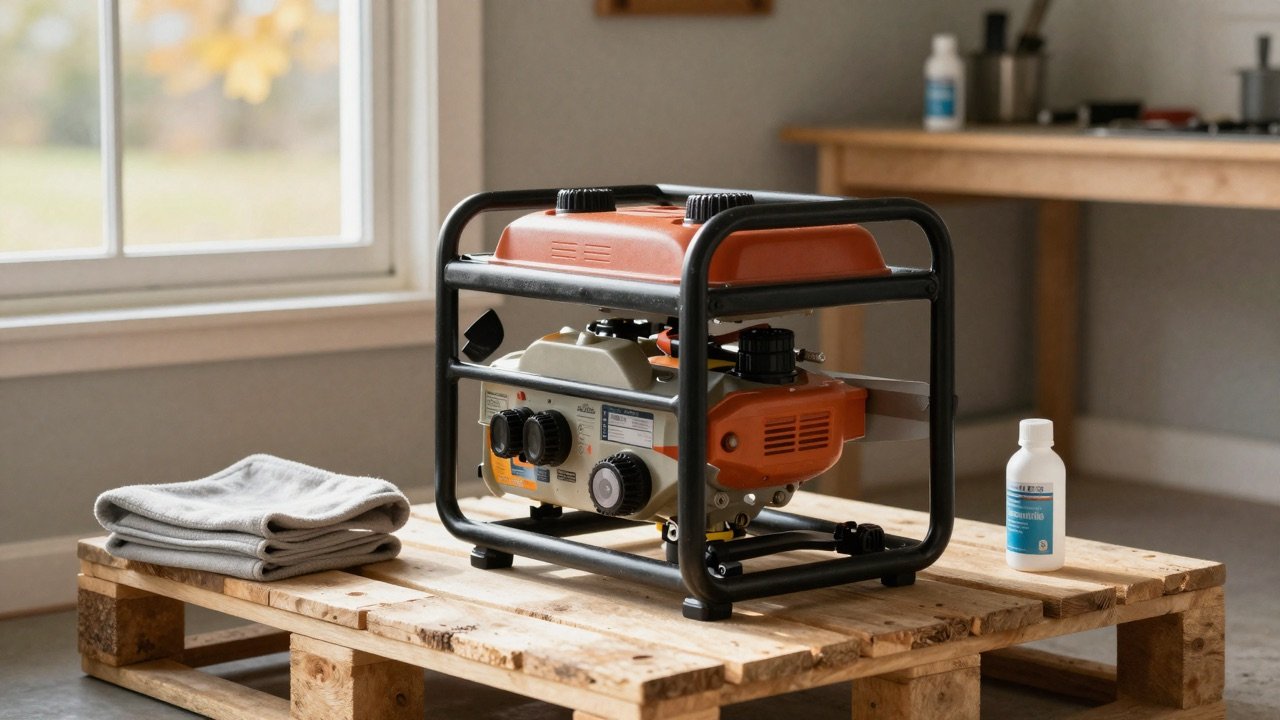
When storm season ends or the cold weather settles in, your portable generator often gets tucked into a corner of the garage and forgotten. The trouble is that improper generator storage is one of the most common reasons a unit refuses to start when you finally need it again. Stale fuel, gummed-up carburetors, corroded contacts, and dead batteries don’t happen overnight—they happen during the quiet months when nobody’s looking. The good news? A little care now saves you a frustrating no-start (and a costly repair) later. This guide walks you through exactly how to store a generator safely in the off-season, step by step.
Why Proper Generator Storage Matters
A generator is a serious investment, and it’s one you typically reach for during an emergency—a power outage, a hurricane, a winter freeze. That’s the worst possible time to discover it won’t turn over. The biggest culprit by far is the fuel system. Modern gasoline begins to break down in as little as 30 days, and ethanol-blended fuel attracts moisture that can corrode internal components. Left alone for months, that fuel turns into a varnish-like residue that clogs tiny carburetor jets.
Beyond fuel, oil degrades, rubber seals dry out, and batteries self-discharge. Good off-season storage habits protect all of these parts at once, so your generator fires up on the first or second pull when the lights go out.
Step 1: Run It Dry or Stabilize the Fuel
Fuel management is the single most important part of storing a generator. You have two solid options, and the right one depends on your unit and how long it’ll sit.
Option A: Add Fuel Stabilizer
If you want fuel ready in the tank, add a quality fuel stabilizer before storage. Here’s the process:
- Add the recommended amount of stabilizer to a nearly full tank (a full tank limits condensation and rust on the inside walls).
- Run the generator for 10 to 15 minutes so the treated fuel circulates fully through the carburetor and fuel lines.
- Shut it down and let it cool before moving it to storage.
Stabilized fuel typically stays usable for up to 12 months, which covers most off-season gaps comfortably.
Option B: Drain the System Completely
For long-term storage, many owners prefer to run the unit completely dry. Turn the fuel valve off while the engine is running and let it burn through whatever fuel remains in the carburetor until it stalls. Then drain the tank into an approved container. An empty, dry fuel system has nothing left to gum up or varnish—just be sure to store the drained fuel safely and away from living spaces.
Step 2: Change the Oil and Care for the Engine
Used oil contains combustion byproducts and acids that can slowly corrode engine internals while the unit sits. Always store your generator with fresh oil, not the dirty oil from its last run.
- Change the oil while the engine is still slightly warm so it drains faster and more completely.
- Fog the cylinder on units that will sit for many months: remove the spark plug, add a small amount of fogging oil or a teaspoon of clean engine oil, and pull the starter cord a few times to coat the cylinder walls and prevent rust.
- Reinstall the spark plug finger-tight, then snug it with a wrench so moisture can’t enter the cylinder.
Step 3: Protect the Battery and Electrical Parts
If your generator has an electric start, the battery needs attention too. A battery left connected will slowly drain and may freeze or sulfate, leaving it useless by spring.
- Disconnect the negative terminal, or remove the battery entirely if your climate gets very cold.
- Store the battery in a cool, dry place off concrete floors, and top it off with a trickle charger or battery maintainer every month or two.
- Clean any corrosion off the terminals and apply a thin coat of dielectric grease to keep contacts fresh.
Don’t forget the outlets and connection points—a quick wipe-down and a check for debris keeps them ready to use.
Step 4: Clean It and Choose the Right Spot
Before it goes into storage, give the generator a thorough cleaning. Wipe away dirt, grass clippings, and grime, and clear any debris from the air intake and cooling vents. A clean unit is easier to inspect and less likely to harbor moisture or pests.
Where you store it matters just as much as how you prep it:
- Choose a dry, sheltered location such as a garage or shed—never store fuel-containing equipment inside your home.
- Keep it off bare concrete when possible, since concrete can wick moisture upward. A wooden pallet or shelf works well.
- Cover it with a breathable cover, not airtight plastic, which traps condensation. A purpose-made generator cover lets moisture escape while keeping dust out.
- Guard against rodents by sealing gaps and avoiding storage near nesting materials—mice love to chew wiring and build homes in engine compartments.
Step 5: Do a Mid-Season Check
Storage isn’t entirely “set it and forget it.” Every four to six weeks, take a few minutes to start the generator and let it run for 10 to 15 minutes under a light load. This circulates oil, keeps seals lubricated, recharges the battery, and confirms the unit still works—so you’re never caught off guard. If you ran the tank dry, you can skip the run cycles, but still check the battery and look for any signs of pests or moisture.
Quick Off-Season Generator Storage Checklist
- Stabilize the fuel or drain the system completely.
- Change the oil with the engine warm.
- Fog the cylinder for long-term storage.
- Disconnect or remove and maintain the battery.
- Clean the unit and clear the vents.
- Store in a dry, sheltered spot off the concrete.
- Use a breathable cover and protect against rodents.
- Run it briefly every 4 to 6 weeks if fuel remains.
Frequently Asked Questions
How long can a generator sit in storage without running?
With stabilized fuel and proper prep, a generator can sit for up to a year and still start reliably. Beyond that, it’s smart to drain the fuel completely. If any fuel remains, run the unit for 10 to 15 minutes every four to six weeks to keep the internals healthy.
Should I store my generator with fuel in it or empty?
Both work if done correctly. For storage under a few months, a full tank treated with fuel stabilizer prevents condensation and keeps the fuel fresh. For longer storage, draining the tank and running the carburetor dry is the safest way to avoid gummed-up fuel residue.
Can I store a generator outside in winter?
It’s not ideal. A generator should be kept in a dry, sheltered space like a garage or shed. If outdoor storage is unavoidable, place it off the ground, use a breathable weatherproof cover, and remove the battery to a warmer location so it doesn’t freeze.
Why won’t my generator start after winter storage?
The most common cause is stale fuel that has clogged the carburetor, followed by a dead battery and fouled spark plugs. Proper off-season prep—fuel stabilizer or draining, fresh oil, and battery maintenance—prevents nearly all of these no-start problems.
Keep Your Power Ready for Next Season
Taking an hour now to store your generator the right way is the difference between flipping it on instantly during the next outage and standing in the dark with a tool kit. Treat the fuel, refresh the oil, protect the battery, and pick a dry, sheltered home for the unit, and it’ll reward you with years of dependable service. If you’re shopping for a new generator, a quality cover, or a fuel stabilizer to get the job done, browse our full lineup of outdoor power equipment and accessories. Have a question about your specific model? Our real-person support team is happy to help—just reach out to us or check our FAQ page for fast answers. Free US shipping and 30-day returns come standard on every order.