Blog
How to Sharpen Lawn Mower Blades (Step-by-Step)

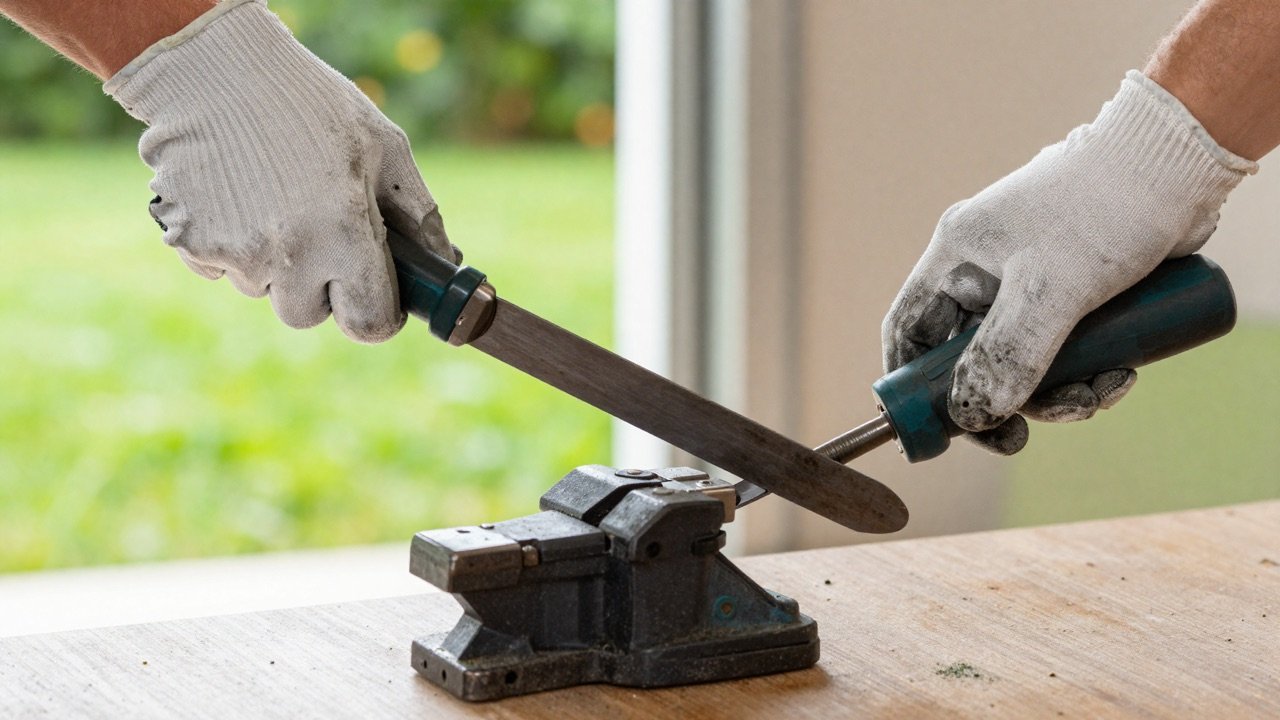
If your grass looks ragged, brown-tipped, or shredded after mowing, your blade is the likely culprit. Learning how to sharpen lawn mower blades is one of the easiest, most rewarding maintenance jobs you can do at home, and it makes a bigger difference to your lawn than almost anything else. A sharp blade slices each grass leaf cleanly, while a dull one rips and bruises it, leaving your yard stressed and vulnerable to disease. The good news is you don’t need a workshop full of fancy gear. With a wrench, a file or grinder, and about 30 minutes, you can restore a factory-quality edge and get back to a crisp, even cut.
In this guide, we’ll walk through the whole process step by step, from safely removing the blade to balancing it before you reinstall it. Whether you run a push mower, a riding tractor, or a zero-turn, the fundamentals are the same.
Why Sharp Lawn Mower Blades Matter
A mower blade doesn’t work like a knife slicing through butter. It spins thousands of times per minute and cuts grass through sheer speed and a keen edge. When that edge wears down, the blade starts beating the grass off rather than cutting it. The results show up fast:
- Frayed, white or brown grass tips a day or two after mowing
- An uneven, “torn” look across the whole lawn
- Increased disease risk, since open wounds invite fungus and pests
- Wasted fuel and strain on the engine as the mower works harder
- More passes needed to get an acceptable cut
Most homeowners should sharpen their blade at least once or twice per mowing season, or roughly every 20 to 25 hours of use. If you mow large areas, hit sandy soil, or frequently clip twigs and acorns, you may need to do it more often.
Tools and Safety Gear You’ll Need
Gather everything before you start so you’re not hunting for tools mid-job. Here’s a simple checklist:
- Socket or box wrench that fits the blade bolt
- Work gloves and safety glasses
- A block of wood to wedge the blade still
- A metal file, angle grinder, or bench grinder
- A blade balancer (or a nail on the wall) to check balance
- Penetrating oil, in case the bolt is stuck
- A wire brush and rag for cleaning
A flat mill file is the most beginner-friendly choice. It’s slow but nearly impossible to overheat the metal or ruin the edge. An angle grinder is faster but takes a steadier hand. Either will get you a sharp result.
Step-by-Step: How to Sharpen Lawn Mower Blades
Follow these steps in order, and don’t skip the safety prep. A spinning mower blade has serious energy stored in it, so the goal is to make absolutely sure the engine can’t start while your hands are near it.
1. Disconnect the Power
For gas mowers, pull off the spark plug wire so the engine cannot fire. For battery or electric models, remove the battery or unplug the unit entirely. This is the single most important step, so never rush past it.
2. Tip the Mower Safely
Drain or run the fuel tank low first, then tip the mower so the carburetor and air filter point upward. This keeps oil and gas from leaking into places they shouldn’t go. For riding mowers and zero-turns, use ramps or a jack and secure the machine before reaching underneath.
3. Mark and Remove the Blade
Wedge a block of wood between the blade and the mower deck so the blade can’t spin. Mark the bottom face of the blade with a paint pen or scratch so you remember which side faces down. Loosen the bolt (usually counterclockwise) and lift the blade out.
4. Clean and Inspect
Scrub off caked grass and dirt with a wire brush. Now inspect closely. If you see deep dents, large cracks, bent areas, or a worn “sail” on the back edge, the blade is done and should be replaced rather than sharpened. A compromised blade can shatter at high speed.
5. File or Grind the Edge
Clamp the blade in a vise. Mower blades have a factory bevel of around 30 to 45 degrees, so match that existing angle rather than creating a brand-new one. Work from the top of the cutting edge, moving in one direction with smooth, even strokes. Only the outer three or four inches of each end actually cut, so focus there. Your goal is a “butter knife” sharpness, not a razor edge, since too thin an edge chips and dulls quickly.
6. Repeat on the Other Side
A mower blade cuts on both ends, so flip it and sharpen the opposite edge using the same number of strokes and the same angle. Keeping the strokes even on each side helps maintain balance.
How to Balance and Reinstall the Blade
An unbalanced blade vibrates badly, which damages the spindle, bearings, and engine over time. Balancing is quick and essential.
- Hang the blade on a blade balancer or a nail driven into the wall, sliding the center hole over it.
- Watch which way it tips. The heavier side drops; the lighter side rises.
- File a little more metal off the heavy end until the blade hangs level.
- Reinstall the blade with the cutting edges facing the correct direction (use the mark you made earlier) and the “wing” or sail side facing up toward the deck.
- Tighten the bolt firmly to the manufacturer’s torque spec, then reconnect the spark plug or battery.
Start the mower and listen. A smooth, quiet run means you nailed it. Excess vibration means it’s worth pulling the blade and rebalancing. If you’re ever unsure about your model’s bolt direction or torque, our FAQ page and support team can point you in the right direction.
When to Replace Instead of Sharpen
Sharpening isn’t forever. Each session removes a little metal, and eventually the blade gets too thin or worn to do its job safely. Replace the blade if you notice any of these:
- Cracks, large chips, or bent sections
- A thin, worn-through trailing edge or sail
- Deep gouges that can’t be filed out
- So much metal removed that the blade looks noticeably narrowed
Keeping a spare blade on hand is smart. You can swap a fresh blade in minutes and sharpen the old one at your leisure. Browse blades and other replacement parts in our shop to find the right fit for your machine.
Frequently Asked Questions
How often should I sharpen lawn mower blades?
For most homeowners, once or twice per season is enough, or about every 20 to 25 hours of mowing. If you mow large or sandy properties, or hit sticks and debris often, you may need to sharpen every few weeks during peak growing season.
Can I sharpen a mower blade without removing it?
You can touch up an edge with the blade still attached, but it’s not recommended. Removing the blade lets you check balance, inspect for cracks, and reach the entire cutting edge. It’s also far safer, since you avoid working near the deck with a spinning hazard.
How sharp should a lawn mower blade be?
Aim for “butter knife” sharp, not razor sharp. A blade cuts grass through speed, so an edge that’s too thin will chip, dull, and dent quickly. A clean, consistent bevel that can shave a thin curl of wood is plenty sharp for a healthy cut.
Do I really need to balance the blade?
Yes. An unbalanced blade causes vibration that can wreck the spindle, bearings, and engine mounts over time, and it makes for an uncomfortable mowing experience. Balancing takes a minute and is well worth it.
Keep Your Lawn (and Mower) at Their Best
Sharpening your blade is a small habit that pays off in a healthier, better-looking lawn and a mower that lasts for years. Once you’ve done it a couple of times, the whole job takes well under half an hour. If your blade is past its prime or you’d rather keep a fresh spare ready to go, explore our selection of mower blades and outdoor power equipment parts in the Garden Homes Realty shop. Questions about the right part for your model? Reach out through our contact page and a real person will help you find exactly what you need, backed by free US shipping and 30-day returns.