Blog
How to Clean Your Mower Deck (and Why It Matters)

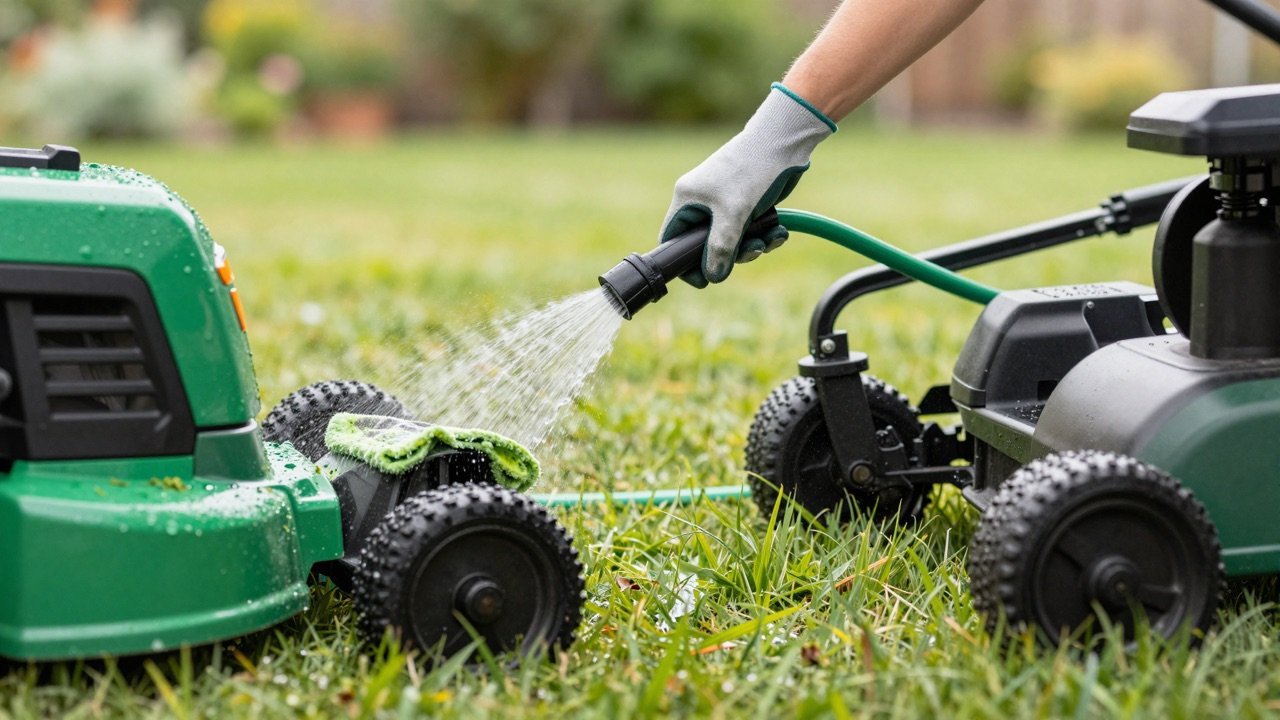
If your grass looks ragged, your mower bogs down in thick patches, or you spot streaks of uncut blades behind you, the culprit is often hiding right under your machine. Caked-on clippings build up fast, and learning how to clean mower deck surfaces properly is one of the easiest, cheapest ways to improve your cut and extend the life of your equipment. The underside of the deck is where grass, moisture, and grit collect into a thick mat that chokes airflow and traps rust-causing moisture against the metal.
The good news: you don’t need special tools or a mechanic. With a few minutes after each mow and a deeper clean a couple of times per season, you can keep your deck working like new. Here’s exactly how to do it safely.
Why a Clean Mower Deck Matters
The mower deck is the metal housing that surrounds the blades. Its job isn’t just protection—it’s engineered to create airflow that lifts grass upright so the blades slice it cleanly, then funnels the clippings toward the chute or mulching chamber. When buildup clogs that space, everything suffers.
Here’s what a dirty deck costs you:
- A worse cut. Packed grass disrupts the airflow that stands blades up, leaving an uneven, torn, or streaky finish.
- Faster rust and rot. Wet clippings hold moisture against the metal, accelerating corrosion until the deck thins or develops holes.
- Clumping and clogging. A coated deck can’t move clippings efficiently, so they dump in clumps that smother the lawn.
- Strain on the engine. The blades work harder to push through packed material, burning more fuel and wearing parts faster.
- Spread of lawn disease. Damp, decaying grass under the deck can harbor fungus that you drag from one part of the yard to the next.
In short, five minutes of cleaning protects a piece of equipment that costs hundreds or thousands of dollars—and gives you a noticeably better-looking lawn.
Safety First: Before You Touch the Deck
The space under a mower deck is dangerous if the machine starts unexpectedly. Always shut things down completely before you reach underneath.
- Turn off the engine and let it cool. Hot components can burn you, and fuel fumes are a hazard.
- Disconnect the spark plug wire on gas mowers so the engine cannot fire. On battery or electric models, remove the battery or safety key.
- Wear gloves and eye protection. Dried grass has sharp edges, and you may encounter rust or debris.
- Never tip a mower the wrong way. Check your manual—most push mowers should be tipped with the air filter and carburetor facing up to avoid oil and fuel leaks.
Riding mowers and zero-turns are heavy. If you need to raise one, use proper ramps, jack stands, or a maintenance lift rated for the weight. Never crawl under a machine supported only by a jack.
How to Clean a Mower Deck Step by Step
Once the mower is safe and powered down, the actual cleaning is straightforward.
1. Scrape off the loose buildup
Use a plastic putty knife, a wooden paint stick, or a stiff brush to scrape away the thick mat of dried clippings. A plastic or wooden tool is best because metal scrapers can gouge protective coatings and create spots where rust starts. Work from the center outward and clear around the blade bolts and baffles.
2. Loosen stubborn grime
For caked-on residue, spray the underside with a garden hose and let it soak for a few minutes. A little dish soap or a dedicated deck-cleaning solution helps break down the bond. Then scrape again—softened buildup peels away far more easily.
3. Rinse thoroughly
Hose down the entire underside until the metal shows through. Pay attention to corners, the discharge chute, and the area immediately around each blade, where clippings pack the tightest.
4. Dry completely
This step is the one most people skip, and it’s the most important for preventing rust. Wipe the deck with a rag or run the mower briefly in an open, safe area to spin off water. Letting it air-dry in the sun works too. Never store a wet deck.
5. Protect the bare metal
Once dry, apply a light coat of protectant. Options include a silicone spray, a non-stick deck coating made for mowers, or a thin wipe of vegetable or specialty oil. This creates a slick barrier that helps clippings slide off instead of sticking next time.
The Easy “Deck Wash” Shortcut
Many modern riding mowers and zero-turns include a deck-wash port—a small fitting on top of the deck where you attach a garden hose. To use it: park on a flat surface clear of obstacles, connect the hose, turn on the water, then start the engine and engage the blades for a minute or two. The spinning blades sling water across the underside and flush out clippings.
It’s convenient, but it doesn’t replace a real scrape-and-rinse. Use the wash port for quick rinses after most mows, and do a hands-on deep clean a few times each season to reach what the water spray misses.
How Often Should You Clean It?
The right schedule depends on conditions, not the calendar alone:
- After every mow: A quick scrape or hose rinse, especially when cutting wet, lush, or tall grass that packs in heavily.
- Every few mows: A more thorough rinse and inspection during peak growing season.
- Deep clean a few times a season: Full scrape, rinse, dry, and re-coat.
- End of season: A complete cleaning before storage, since clippings left over winter trap moisture for months and invite rust.
Mowing wet grass is the single biggest cause of heavy buildup. When you can, mow on dry days and keep your blades sharp—dull blades tear grass, releasing more moisture and sticky sap that clings to the deck.
Signs Your Deck Needs More Than a Cleaning
While the deck is off the ground, take a moment to inspect it. Look for thin spots, rust-through holes, cracks, or a deck that no longer sits level. Check that the blades are sharp and balanced and that mounting bolts are tight. If you find serious corrosion or damage, it may be time for replacement parts or a new deck. Not sure what fits your model? Our team is happy to help you track down the right components—just reach out through our contact page with your mower’s make and model.
Frequently Asked Questions
Can I pressure wash under my mower deck?
You can, but use a wide, low-pressure tip and keep your distance. High-pressure water aimed at bearings, seals, the engine, or electrical connections can force water past seals and cause damage. A regular garden hose is safer and usually enough once you’ve scraped off the heavy buildup.
What’s the best tool to scrape a mower deck?
A plastic putty knife, a wooden scraper, or a stiff-bristle brush works best. These remove packed grass without scratching the deck’s protective coating. A wire brush or metal scraper can strip that coating and create bare spots where rust begins, so save those for treating existing rust only.
How do I keep grass from sticking to my deck?
Start with a clean, dry deck, then apply a non-stick mower coating, silicone spray, or a thin layer of oil to create a slick surface. Keeping your blades sharp and mowing dry grass also dramatically reduces how much material sticks in the first place.
Will cleaning my deck really improve the cut?
Yes. The deck relies on airflow to lift grass blades upright before they’re cut. When buildup blocks that airflow, you get streaks, uneven height, and clumping. A clean deck restores proper airflow, so the blades cut cleanly and clippings discharge evenly.
Keep Your Mower Cutting Its Best
Cleaning your deck is one of the simplest habits you can build, and it pays off in sharper-looking lawns, fewer repairs, and a mower that lasts for years. Make a quick rinse part of your post-mow routine, schedule a deep clean a few times each season, and always store your deck dry. If you’re looking for fresh blades, deck coatings, replacement parts, or a new mower altogether, browse our full selection at the Garden Homes Realty shop—we offer free US shipping, 30-day returns, and real-person support. Have a question about your specific machine? Contact us and we’ll point you in the right direction.