Blog
How Often Should You Change Your Lawn Mower Oil?

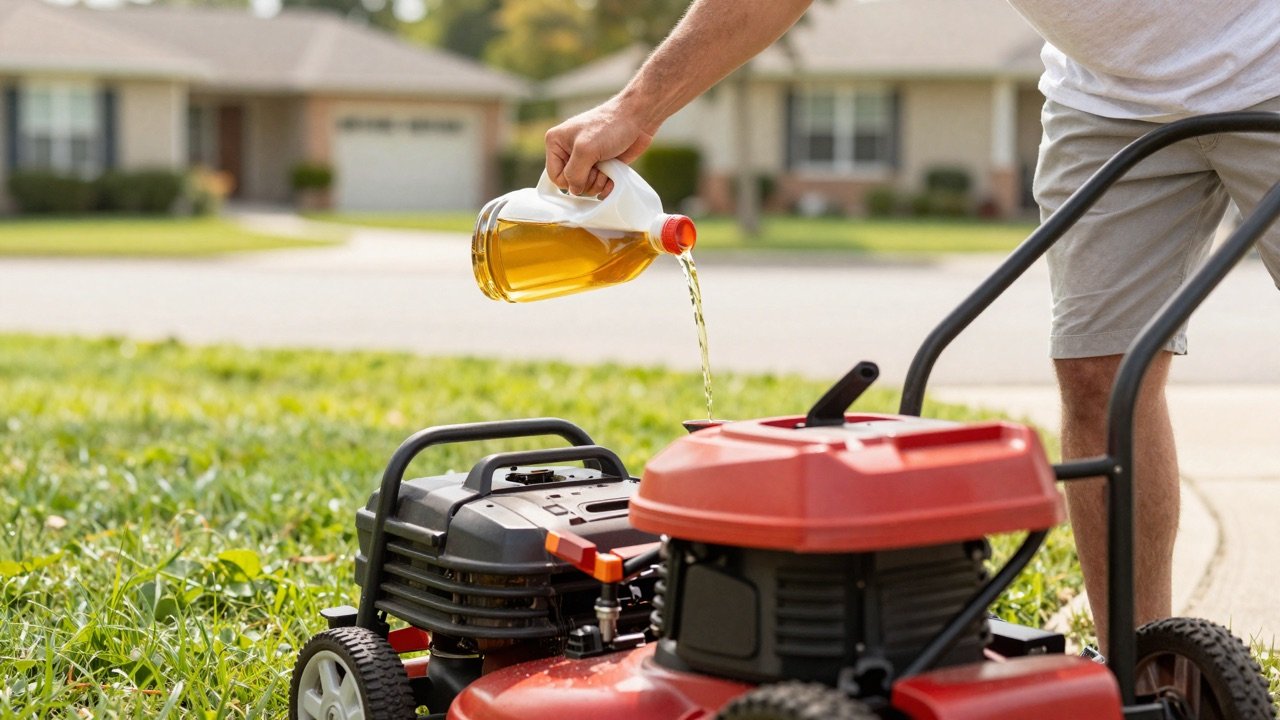
If you want your mower to start on the first pull and last for a decade or more, few habits matter as much as a regular lawn mower oil change. Clean oil keeps the engine cool, lubricated, and free of the gritty buildup that quietly wears out parts. Skip it for too long, and you trade a five-minute chore for an expensive repair. In this guide we’ll cover exactly how often to change your oil for every type of mower, the signs it’s overdue, and a simple step-by-step you can do in your driveway.
How Often Should You Do a Lawn Mower Oil Change?
The short answer: at least once per mowing season, or every 25 to 50 hours of run time, whichever comes first. But the right interval depends on the kind of engine and how hard you work it. Here’s a quick reference:
- Walk-behind push mowers: Every 50 hours of use or once a season. For most homeowners with an average lawn, that’s once a year.
- Riding mowers and lawn tractors: Every 50 hours or once a season, with the first change after the initial 5 to 8 hours of break-in.
- Zero-turn mowers: Every 50 hours or annually. Heavy commercial-style use may call for changes every 25 hours.
- Brand-new mowers: Change the break-in oil after the first 5 to 8 hours, no matter the type. New engines shed tiny metal particles as parts seat.
Always check your owner’s manual, since manufacturers list the exact interval and oil type for your specific model. When in doubt, changing oil a little early never hurts an engine.
Why Regular Oil Changes Matter So Much
Engine oil does more than just lubricate. It carries heat away from moving parts, suspends dirt and combustion byproducts so they don’t scratch metal surfaces, and forms a protective film that prevents corrosion. Over time, oil breaks down. It thins out, loses its additives, and fills with abrasive grit, especially in dusty mowing conditions.
A small engine has no oil filter on many push-mower models, which means dirt has nowhere to go but back through the engine. That’s why staying on schedule is even more important than it is for your car. Fresh oil is the cheapest insurance you can buy for your equipment.
Signs Your Oil Is Overdue for a Change
Even if you’re between scheduled changes, watch for these warning signs:
- Dark, dirty oil: Pull the dipstick. Fresh oil is amber and translucent; old oil looks black and opaque.
- Gritty texture: Rub a drop between your fingers. If it feels gritty or sandy, it’s time.
- Low oil level: If you’re constantly topping off, the engine may be burning oil and needs fresh fluid plus a checkup.
- Rough running or hard starts: Sluggish performance and knocking sounds can point to tired, broken-down oil.
- Burning smell: A hot, oily odor while mowing can mean the oil is no longer cooling properly.
How Run Time Affects Your Oil Change Schedule
Hours matter more than the calendar for anyone who mows a large property. A homeowner with a quarter-acre yard might log only 15 to 20 hours a season, so a once-a-year change is perfect. But if you maintain several acres on a riding or zero-turn mower, you could hit 50 hours by midsummer and need a second change before fall.
If your mower has an hour meter, use it. If it doesn’t, estimate: a typical mowing session of one to two hours, done weekly across a six-month season, adds up to roughly 25 to 50 hours. Tough conditions speed up oil breakdown, including:
- Mowing in hot weather, which makes oil work harder.
- Dusty or sandy ground that contaminates oil faster.
- Tall, wet, or thick grass that loads the engine.
- Hilly terrain that demands more power.
Under heavy or dusty conditions, cut your interval roughly in half to stay safe.
How to Change Your Lawn Mower Oil Step by Step
A DIY oil change takes about 15 minutes and costs just a few dollars. Here’s the basic process for most engines:
- Warm the engine briefly. Run it for a couple of minutes so the oil flows freely, then shut it off. Warm oil drains faster and carries out more debris.
- Disconnect the spark plug. This is a critical safety step that prevents accidental starts.
- Drain the old oil. Use the drain plug if your mower has one, or tip the mower toward the oil-fill side over a pan. Tractors and zero-turns usually have a drain plug or tube.
- Replace the oil filter if your model has one. Riding mowers and many larger engines do.
- Add fresh oil. Use the grade your manual recommends, often SAE 30 or 10W-30 for warm weather. Pour slowly and check the dipstick to avoid overfilling.
- Reconnect the spark plug and run the engine for a minute. Then recheck the level and look for leaks.
- Recycle the used oil. Most auto parts stores accept it free of charge.
Keep a few quarts of the correct oil and a spare filter on hand so a change is never delayed. Need parts or a tune-up kit? Browse our full selection in the shop to find what fits your machine.
Choosing the Right Oil for Your Mower
Using the correct oil is just as important as changing it on time. Most small four-stroke engines use SAE 30 in warm temperatures, while 10W-30 or synthetic 5W-30 works better across a wider temperature range. Synthetic oil costs more but flows better in cold starts and can extend intervals slightly. Never use two-cycle (mixed) oil in a four-stroke engine, and check your manual before switching types. If you’re unsure what your model needs, our team is happy to help, just reach out through our contact page.
Frequently Asked Questions
How many hours can a lawn mower go between oil changes?
Most small engines should have an oil change every 50 hours of run time, or every 25 hours under heavy, dusty, or commercial-style use. Brand-new mowers need their first change after just 5 to 8 hours to clear out break-in particles. Once a season is the minimum even for light users.
What happens if I never change my lawn mower oil?
Old oil thins out and fills with grit, so it stops protecting the engine. Over time this causes excess wear, overheating, hard starting, and eventually a seized or failed engine. A neglected oil change is one of the most common reasons mowers die early, and it’s completely preventable.
Can I change my mower oil myself?
Yes. A typical lawn mower oil change takes about 15 minutes and needs only fresh oil, a drain pan, and basic tools. Just disconnect the spark plug first for safety, drain the old oil, refill to the correct level, and recycle the used oil at an auto parts store.
Do I need to change the oil filter every time?
If your mower has an oil filter, which is common on riding and zero-turn models, replace it with every oil change for best results. Many small push-mower engines have no filter, so on those you simply drain and refill with clean oil.
Keep Your Mower Running Strong
A regular lawn mower oil change is the single easiest way to add years to your engine’s life and keep every cut smooth and reliable. Mark your calendar, watch your hour meter, and never let a season pass without fresh oil. When you’re ready to stock up on oil, filters, replacement parts, or a brand-new mower, visit our shop for free US shipping, 30-day returns, and real-person support. Have a question about your specific model? Get in touch with our team and we’ll point you in the right direction.