Blog
Generator Maintenance: Keep It Running When You Need It

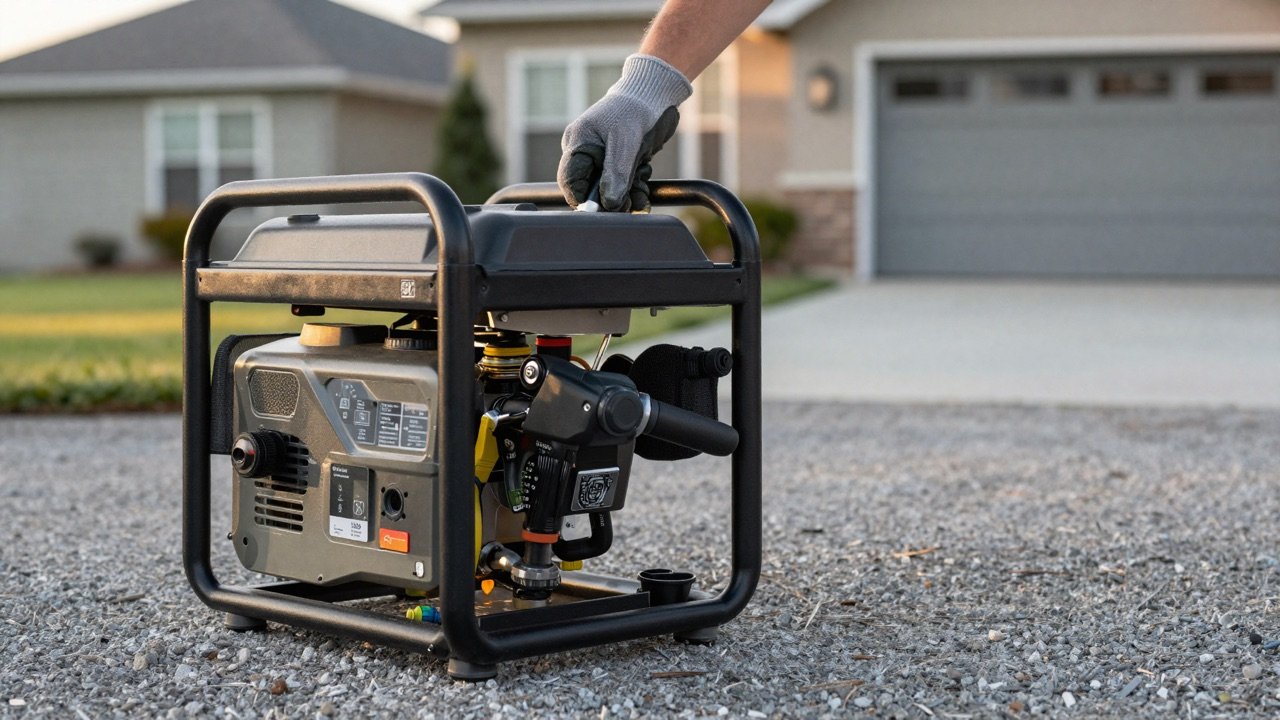
A generator only earns its keep on the day the lights go out. That is also the day you discover whether it will actually start. Good generator maintenance is the difference between a smooth, well-lit outage and a frustrating evening spent yanking a starter cord while the food in your fridge slowly warms up. The good news is that keeping a generator ready is simple, inexpensive, and takes only a few minutes a month. This guide walks you through everything you need to know in plain English, whether you own a small portable unit or a large standby system.
Most generator no-start problems trace back to one of three things: stale fuel, a dead battery, or neglected oil. Master those three and you have solved the vast majority of headaches before they ever happen.
Why Generator Maintenance Matters More Than You Think
Generators spend most of their lives sitting still. That idle time is exactly what causes trouble. Fuel breaks down, oil thins or sludges, rubber seals dry out, and batteries slowly drain. A car gets driven every day, so problems surface gradually. A generator can sit untouched for months, then be asked to perform flawlessly the moment a storm hits.
Skipping routine generator maintenance does more than risk a no-start. Running on old oil or dirty fuel shortens engine life, voids many warranties, and can damage the sensitive electronics in your home when output voltage drifts out of spec. A little attention protects both the machine and everything plugged into it.
The Core Generator Maintenance Tasks
Here are the fundamentals every owner should stay on top of. None of these require a mechanic, and most take less than half an hour.
- Change the oil regularly. New generators need their first oil change after the initial 20 to 30 hours of run time, then roughly every 50 to 100 hours or once per season. Always check your owner’s manual for the exact interval and oil weight.
- Replace the air filter. A clogged air filter starves the engine and burns fuel inefficiently. Inspect it every season and replace it when it looks gray or oily.
- Check and replace the spark plug. A fouled plug is a common cause of hard starting. Clean or swap it once a year, or every 100 hours.
- Inspect the fuel system. Look for cracked fuel lines, a clogged filter, or gummy residue in the carburetor.
- Test the battery. On electric-start and standby units, a weak battery is the number-one failure point. Keep it charged.
- Run it under load. Exercising the generator monthly keeps internal parts lubricated and reveals problems while there is still time to fix them.
Oil: The Lifeblood of Your Engine
Oil does more than reduce friction. It carries away heat and traps contaminants. Check the level before every use with the dipstick, and never run a generator low on oil. Many modern units have a low-oil shutdown sensor that will refuse to start if the level is too low, which surprises a lot of owners during an outage. Change the oil while the engine is still warm so it drains completely and carries the gunk out with it.
Fuel: The Silent Killer
Gasoline is the most common reason generators fail to start. Pump gas begins to degrade in as little as 30 days, and the ethanol it contains attracts water and forms varnish that clogs tiny carburetor passages. To avoid this:
- Add a quality fuel stabilizer to every tank you plan to store.
- Run the engine for a few minutes after adding stabilizer so treated fuel reaches the carburetor.
- For long-term storage, either drain the fuel system completely or keep the tank full with stabilized fuel to limit condensation.
- Rotate your stored fuel cans every few months rather than letting them sit for a year.
Propane and natural gas units sidestep most fuel-aging issues, which is one reason many homeowners prefer them for standby duty. They still need the rest of the maintenance routine, however.
Battery and Electrical Care
For any generator with an electric start, the battery deserves special attention. A battery that tests fine in summer can fail on the first cold night of winter, exactly when you need it most. Keep the terminals clean and free of corrosion, and consider a trickle charger or battery maintainer for units that sit for long stretches. Standby generators usually charge their own battery, but it is still worth checking the connections once or twice a year.
While you are at it, inspect your extension cords and transfer switch connections for frays, burns, or loose lugs. Damaged cords are a fire and shock hazard, and they rob your appliances of clean power.
A Simple Seasonal Maintenance Schedule
You do not need to memorize a complicated chart. This rhythm keeps almost any generator ready:
- Monthly: Run the generator under a light load for 15 to 30 minutes. Check the oil level and listen for unusual sounds.
- Every season (or 100 hours): Change the oil, inspect the air filter and spark plug, and check fuel lines.
- Before storm season: Top off stabilized fuel, test the battery, and confirm the unit starts and produces power.
- Before long-term storage: Stabilize or drain fuel, change the oil, and remove or maintain the battery.
- Annually: Replace the spark plug and air filter, and give the whole unit a thorough inspection.
Keep a small logbook or a note on your phone listing run hours and the date of your last service. It removes all the guesswork and makes warranty claims far easier if you ever need one.
Storage and Off-Season Tips
How you put a generator away matters as much as how you run it. Store it in a clean, dry place out of direct weather, ideally with a breathable cover rather than a plastic tarp that traps moisture. Never store a generator indoors with fuel in it near living spaces, and never, ever run one inside a home, garage, or enclosed porch. Carbon monoxide from a running generator is invisible, odorless, and deadly. Always operate it outdoors, well away from windows and doors.
If you are unsure which parts your model needs or whether your unit is due for service, our team is glad to help you find the right oil, filters, plugs, and accessories. You can browse maintenance supplies on our shop page or reach a real person through our contact page for a quick recommendation.
Frequently Asked Questions
How often should I do generator maintenance?
Run your generator monthly and check the oil before each use. Perform a fuller service, including an oil change and filter inspection, every season or about every 100 run hours. Replace the spark plug and air filter once a year. Always defer to the interval listed in your owner’s manual.
Why won’t my generator start after sitting all season?
The usual culprit is stale fuel that has gummed up the carburetor, followed by a dead battery on electric-start models. Draining old fuel, replacing it with fresh stabilized gas, cleaning the carburetor, and charging or replacing the battery resolves most no-start problems.
Should I run my generator dry or leave fuel in it for storage?
Both approaches work. Running the engine until it stalls on its own empties the carburetor and prevents varnish, which is ideal for portable units. Alternatively, fill the tank with fuel treated with a stabilizer to reduce condensation. The worst choice is leaving untreated gas to sit for months.
Can I do generator maintenance myself?
Yes. Oil changes, filter swaps, spark plug replacement, fuel stabilizing, and battery care are all beginner-friendly tasks that need only basic tools. Leave internal engine repairs, wiring, and transfer switch work to a qualified technician.
Keep the Lights On
A few minutes of regular generator maintenance buys you real peace of mind. Fresh oil, treated fuel, a charged battery, and a monthly test run will keep your generator starting on the first try when the next outage rolls in. Ready to stock up on the oil, filters, stabilizer, and parts your generator needs to stay reliable? Visit our shop to find everything in one place, or contact our team for friendly, real-person help choosing the right supplies. With free US shipping and 30-day returns, getting storm-ready has never been easier.