Blog
Fall Lawn Care: Preparing Your Lawn for Winter

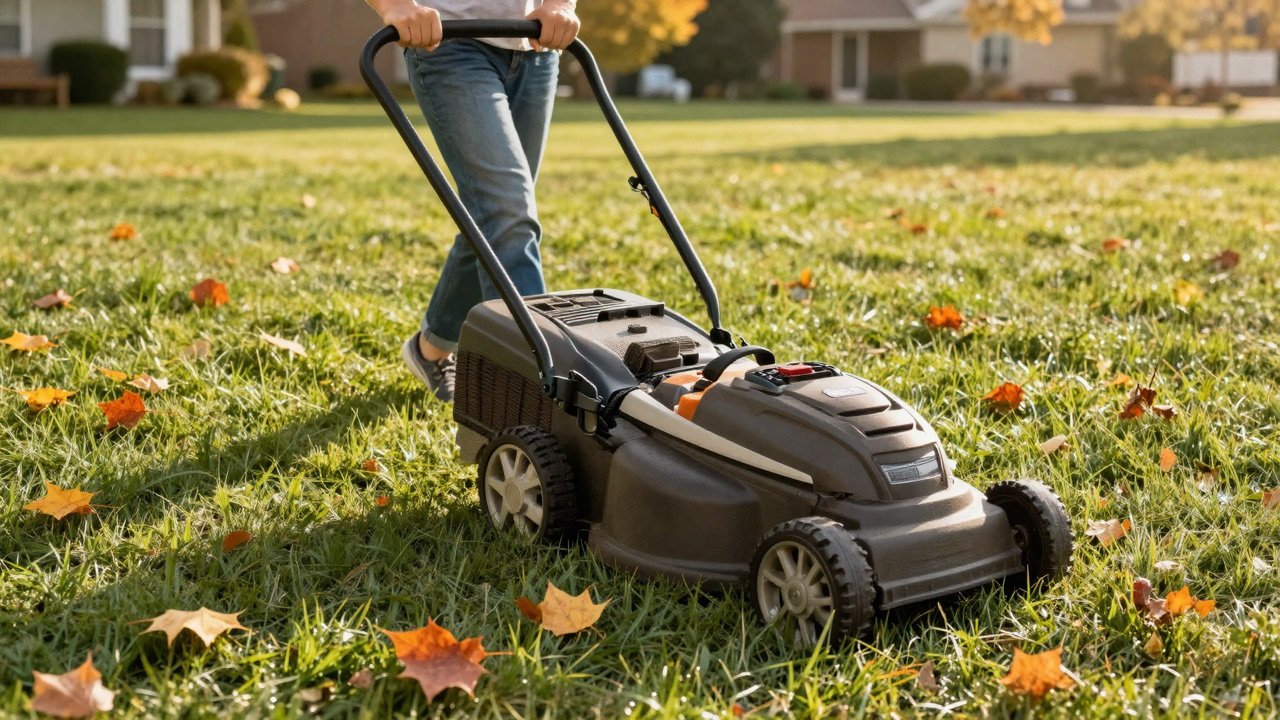
When the air turns crisp and the leaves start drifting down, it’s tempting to put the mower in the shed and forget about the yard until spring. But autumn is actually the most important season for your grass. Smart fall lawn care sets the stage for a thicker, greener, healthier lawn next year by helping roots store energy before the cold sets in. The work you do now pays off long after the snow melts. In this guide, we’ll walk through exactly what to do, when to do it, and which tasks matter most for getting your lawn through winter in great shape.
Why Fall Is the Most Important Season for Your Lawn
Cool-season grasses like fescue, ryegrass, and Kentucky bluegrass do most of their growing in spring and fall, not the heat of summer. As temperatures drop, the grass shifts its energy away from blade growth and toward root development. This is the moment your lawn is “loading up” on nutrients and building the deep root system it needs to survive freezing temperatures and explode with growth in spring.
Skip fall maintenance and you’ll often see a thin, patchy lawn next year that’s wide open to weeds. Invest a few weekends now and you’ll be rewarded with denser turf, fewer bare spots, and far less work down the road. The cooler weather is also easier on you and your equipment, with less stress on the grass when you mow, seed, or aerate.
Keep Mowing (But Adjust Your Height)
One common mistake is stopping mowing too early. Your grass keeps growing until the ground temperature consistently drops below about 50°F, so plan to mow right up until growth stops, often into late October or November depending on your region.
As the season progresses, gradually lower your cutting height. Through most of fall, keep your lawn around 2.5 to 3 inches tall. For the final cuts of the year, drop down to roughly 2 to 2.5 inches. Shorter grass going into winter is less likely to mat down under snow, which helps prevent snow mold and fungal disease.
- Never cut more than one-third of the blade height in a single pass — scalping stresses the roots.
- Keep blades sharp. A clean cut heals faster; a torn, ragged cut invites disease.
- Mow when the grass is dry to get an even cut and avoid clumping.
- Lower the height gradually over your last two or three mows rather than all at once.
A reliable, well-maintained mower makes these final cuts effortless. If yours is showing its age, fall is a smart time to upgrade and you can browse current models in our shop.
Rake or Mulch Those Leaves
A thick blanket of wet leaves smothers grass, blocks sunlight, and traps moisture that breeds mold and disease. You don’t have to bag every last leaf, though. A light scattering can actually be mulched right into the lawn with your mower, returning valuable nutrients to the soil.
The rule of thumb: if you can still see grass through the leaves, mulch them with a few passes of the mower. If the layer is so heavy you can’t see the lawn underneath, rake or bag the excess so it doesn’t suffocate the turf over winter.
Aerate to Relieve Compacted Soil
Months of foot traffic, mowing, and summer play leave soil compacted, making it hard for water, air, and nutrients to reach the roots. Core aeration — pulling small plugs of soil out of the ground — opens everything up so your lawn can breathe.
Fall is the ideal time to aerate cool-season lawns because the grass has plenty of time to recover and fill in before winter. Aerating just before you seed or fertilize is especially effective, since it helps those materials reach the root zone instead of sitting on the surface.
Overseed for a Thicker Lawn
Overseeding means spreading fresh grass seed over your existing lawn to fill thin areas and crowd out future weeds. The warm soil and cool air of early fall create perfect germination conditions, and there’s less competition from summer weeds.
- Mow a little shorter than usual so the new seed reaches the soil.
- Aerate or lightly rake to create good seed-to-soil contact.
- Spread seed evenly with a broadcast or drop spreader.
- Keep the soil consistently moist for the first two to three weeks until seedlings establish.
- Hold off on weed killers — most will stop new grass from germinating.
Fertilize to Feed the Roots
If you do only one thing this season, make it a fall fertilizer application. A late-season feeding delivers nutrients straight to the roots while they’re actively storing energy. This “winterizer” step is what gives your lawn that early, vigorous green-up in spring.
Look for a fertilizer formulated for fall or winter use, typically higher in potassium to boost cold and disease resistance. Apply it about three to four weeks before the ground freezes for the best results. Always follow the label rate; more is not better and over-applying can burn the grass.
Winterize Your Equipment Too
Fall lawn care isn’t just about the grass — it’s also the right time to protect your gear so it starts up reliably next spring. A little maintenance now prevents costly repairs later.
- Add fuel stabilizer or run the tank dry before storage to prevent gummed-up fuel systems.
- Change the oil and air filter so corrosive residue doesn’t sit all winter.
- Clean the deck and underside to remove caked-on grass and prevent rust.
- Sharpen or replace the blade so you’re ready to roll in spring.
- Remove the battery on riding mowers and store it somewhere dry and above freezing.
Need replacement filters, blades, or storage supplies? Our team can point you to the right parts — just reach out through our contact page and a real person will help.
Frequently Asked Questions
When should I stop mowing my lawn in the fall?
Keep mowing until your grass stops growing, which usually happens when soil temperatures stay below about 50°F. In most regions that means late October into November. For your final cuts, lower the height to around 2 to 2.5 inches to help prevent snow mold over winter.
Is it better to fertilize in fall or spring?
Fall is the most valuable time to fertilize cool-season lawns. A late-season feeding sends nutrients to the roots while they’re storing energy for winter, which leads to a faster, healthier green-up in spring. If you only fertilize once a year, do it in autumn.
Should I leave grass clippings and leaves on the lawn over winter?
Light clippings and a thin scattering of leaves can be mulched into the lawn to return nutrients to the soil. But a thick, matted layer of wet leaves should be raked or bagged, because it blocks sunlight, traps moisture, and encourages mold and disease.
How late can I plant grass seed in the fall?
Aim to overseed at least four to six weeks before your area’s first hard frost so seedlings have time to establish. Early to mid fall is ideal. Seed too late and the young grass may not be rooted well enough to survive freezing temperatures.
Done right, fall lawn care is the difference between a struggling, weedy yard and lush, resilient turf that wakes up early and stays thick all season. Tackle these tasks now and your future self will thank you next spring. If you’re ready to gear up with a dependable mower, fresh parts, or the right tools for the job, browse our full selection in the shop — and if you have questions about the best equipment for your yard, our friendly team is just a message away on our contact page. Enjoy free US shipping, 30-day returns, and real-person support every step of the way.