Blog
How to Extend the Life of Your Outdoor Power Equipment

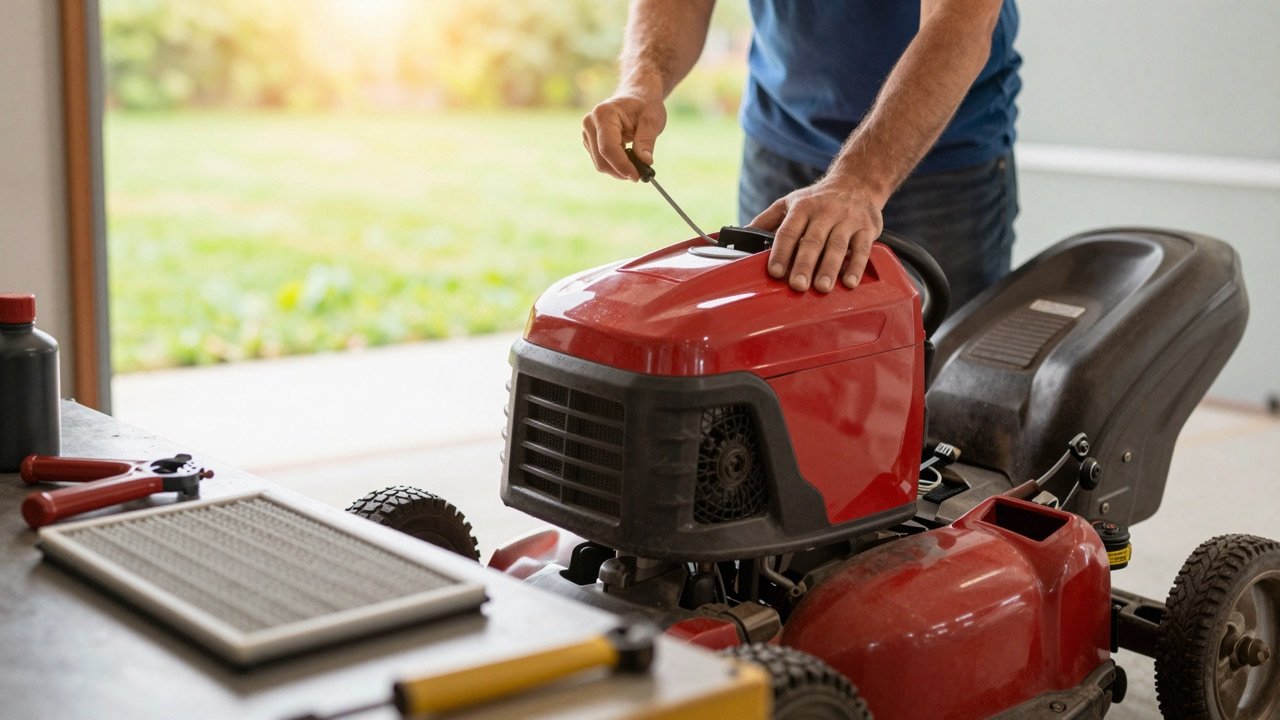
A quality lawn mower, riding tractor, or leaf blower is a real investment, and the difference between gear that lasts five years and gear that lasts fifteen usually comes down to one thing: care. Good outdoor power equipment maintenance is not complicated or expensive, but it does require a little routine attention. The reward is machines that start on the first pull, cut cleaner, burn less fuel, and hold their resale value. In this guide, we will walk through the habits, schedules, and simple fixes that keep your equipment running like new for years longer.
Whether you own a single push mower or a full fleet of outdoor tools, the principles are the same. Let’s break them down so you can put them to work this weekend.
Why Outdoor Power Equipment Maintenance Matters
Most equipment failures are not sudden. They build up slowly from neglected oil, clogged filters, dull blades, and old fuel sitting in the tank. By the time a machine sputters and dies, the damage has often been months in the making. Consistent upkeep prevents those small problems from snowballing into expensive repairs or full replacements.
Here is what regular care actually delivers:
- Longer lifespan — clean engines and properly lubricated parts wear far more slowly.
- Better fuel efficiency — a tuned engine and clean air filter burn fuel more completely.
- Safer operation — sharp blades, tight bolts, and working safety switches reduce accidents.
- Higher resale value — well-kept machines command better prices when you upgrade.
- Fewer surprise breakdowns — no more dead mowers in the middle of a Saturday.
Build a Simple Maintenance Schedule
The easiest way to stay on top of upkeep is to tie tasks to how often you use your equipment. You do not need to memorize a service manual. Just follow a rhythm.
Before Every Use
- Check the oil level and look for leaks underneath the machine.
- Clear grass, sticks, and debris from the deck, vents, and cooling fins.
- Confirm tires are properly inflated and blades or attachments are secure.
- Make sure safety guards and shut-off switches work.
Every 25 to 50 Hours of Use
- Change the engine oil and replace or clean the air filter.
- Inspect and sharpen mower blades.
- Check the spark plug and clean off carbon buildup.
- Grease fittings on riding mowers and tractors.
Seasonally (Spring and Fall)
- Replace the spark plug and fuel filter.
- Inspect belts, cables, and the battery on larger machines.
- Stabilize or drain fuel before long-term storage.
- Do a deep clean and touch up any rust spots.
The Big Three: Oil, Air, and Fuel
If you only focus on three things, make them oil, air, and fuel. These are the most common causes of engine trouble in outdoor power equipment.
Oil
Engine oil lubricates, cools, and cleans internal parts. Dirty or low oil is the fastest way to destroy an engine. Change it according to your owner’s manual, usually once or twice a season for most homeowners. Always check the level before a long mowing session and use the oil grade the manufacturer recommends.
Air Filters
A clogged air filter chokes the engine, wastes fuel, and reduces power. Foam filters can often be washed and re-oiled, while paper filters should be replaced when dirty. Check them often during dusty conditions. This is one of the cheapest and most effective maintenance tasks you can do.
Fuel
Old gasoline is the silent killer of small engines. Fuel left sitting for more than 30 days starts to break down, leaving gummy deposits that clog carburetors. Use fresh fuel, add a stabilizer if you store the machine, and never leave a full tank of untreated gas over winter.
Keep Blades and Cutting Edges Sharp
A dull mower blade does not cut grass cleanly; it tears it. Torn grass turns brown at the tips, invites disease, and forces your engine to work harder. Sharp blades produce a healthier lawn and reduce strain on the entire machine.
Plan to sharpen mower blades at least once or twice per season, more often if you mow large or rough areas. Watch for these signs that it is time:
- Grass looks ragged or frayed after cutting.
- The lawn develops a brownish cast a day or two after mowing.
- You see uneven cutting or strips of uncut grass.
- The blade has visible nicks, dents, or bends.
The same logic applies to string trimmers, hedge shears, and chainsaws. Clean, sharp cutting edges always outperform dull ones and put less stress on the motor. If you would rather not handle sharpening yourself, replacement blades are inexpensive and easy to swap.
Smart Storage Protects Your Investment
How you store equipment between uses, and especially over the off-season, has a huge impact on its lifespan. Moisture, temperature swings, and stale fuel cause more damage during storage than actual mowing does.
Follow these storage best practices:
- Clean before storing — caked grass holds moisture and promotes rust.
- Treat the fuel — add stabilizer or run the tank dry before long storage.
- Store indoors or covered — keep machines out of rain, snow, and direct sun.
- Disconnect batteries — remove or maintain batteries on a trickle charger.
- Keep it off bare ground — a shelf or pallet prevents moisture from wicking up.
A few minutes of prep in the fall saves you a frustrating spring spent reviving a machine that will not start. Not sure which parts or accessories you need to get ready for storage season? Our support team is always happy to point you in the right direction.
Know When to Repair Versus Replace
Even with great care, every machine eventually wears out. Knowing when to stop repairing and start shopping saves money in the long run. As a rule of thumb, if a single repair costs more than half the price of a comparable new unit, replacement is usually the smarter choice. Frequent breakdowns, a cracked engine block, or a frame that is rusting through are also signs it is time to upgrade.
When that day comes, you do not have to guess. You can browse dependable, well-built equipment built to reward good maintenance over many seasons in our online store, and learn more about who we are on our about page.
Frequently Asked Questions
How often should I perform outdoor power equipment maintenance?
Do quick checks before every use, change the oil and clean filters every 25 to 50 hours of run time, and complete a full service at the start and end of each season. Following this rhythm covers nearly all routine outdoor power equipment maintenance for homeowners.
What is the most important maintenance task for a lawn mower?
Regular oil changes top the list, closely followed by keeping the air filter clean and the blade sharp. These three tasks prevent the majority of engine problems and poor cutting performance, and they take only a few minutes each.
How do I keep fuel from damaging my equipment?
Use fresh gasoline, avoid letting it sit longer than 30 days, and add a fuel stabilizer if the machine will be stored. For long-term storage, either treat the fuel or run the engine until the tank is empty to prevent gummy deposits.
Is it worth maintaining older equipment?
Usually, yes. Many older mowers and tractors were built to last and run for years with basic care. Maintain it as long as repairs stay affordable, but replace the unit once a single fix costs more than half the price of a comparable new machine.
Taking care of your outdoor power equipment is one of the best returns on time you can find around the home. A little oil, a clean filter, a sharp blade, and smart storage add up to years of reliable service. Ready to upgrade or stock up on the parts and machines that make upkeep easy? Visit our shop to explore our full lineup, with free US shipping, 30-day returns, and real-person support whenever you need a hand. If you have questions about the right fit for your yard, just reach out and we will help you find it.