Blog
Electric vs Gas Lawn Mower: Pros, Cons & Costs

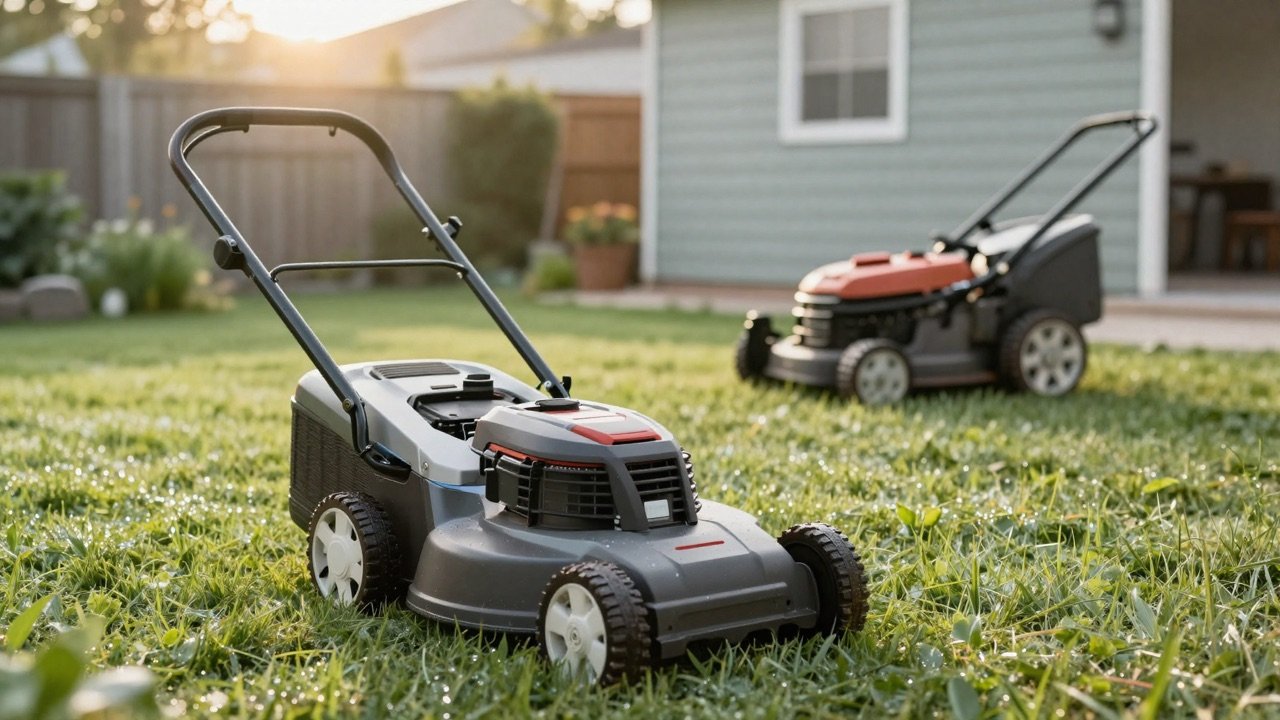
Choosing between an electric vs gas lawn mower is one of the biggest decisions you’ll make as a homeowner shopping for outdoor power equipment. Both can give you a tidy, healthy lawn, but they behave very differently when it comes to power, noise, running costs, and upkeep. The right pick depends less on which technology is “better” and more on the size of your yard, how you like to work, and what you want to spend over the next several years. This guide breaks it all down in plain English so you can buy with confidence.
Electric vs Gas Lawn Mower: The Quick Answer
If you have a small to medium yard (roughly a quarter-acre or less), value quiet operation, and want low maintenance, an electric mower is usually the smarter choice. If you mow a large property, deal with tall or wet grass often, or need to run for hours without stopping to recharge, a gas mower still holds real advantages. The good news in the electric vs gas lawn mower debate is that modern battery models have closed much of the performance gap that existed even five years ago.
Below, we’ll walk through how each type performs across the factors that actually matter day to day.
Power and Performance
Gas mowers have long been the standard for raw cutting power. A good gas engine plows through thick, tall, or damp grass without bogging down, and you never lose momentum waiting on a battery. For acreage, slopes, and overgrown lots, that consistent torque is hard to beat.
Electric mowers, particularly newer brushless lithium-ion models, now deliver more than enough power for typical residential lawns. They start instantly with the push of a button, hold steady RPMs, and handle normal weekly mowing with ease. Where they can struggle is very dense growth or oversized yards that drain the battery before the job is done.
Corded vs Cordless Electric
- Corded electric: Unlimited runtime and lighter weight, but you’re tethered to an outlet and have to manage the cord. Best for small, obstacle-free yards near the house.
- Cordless (battery) electric: Full freedom to roam with no cord and no fumes. Runtime depends on battery size, usually 30 to 70 minutes per charge. A spare battery effectively doubles your working time.
Running Costs Over Time
Sticker price is only part of the story. To compare an electric vs gas lawn mower fairly, you have to look at what each one costs to feed and maintain across its lifespan.
- Fuel vs electricity: Gas, oil, and fuel stabilizer add up every season, and prices swing with the market. Charging a battery costs just pennies per session.
- Maintenance parts: Gas engines need spark plugs, air filters, and oil changes. Electric motors have far fewer wearable parts.
- Battery replacement: The one ongoing cost unique to cordless electric. A battery typically lasts three to five years before capacity fades, and a replacement is a real expense to budget for.
Over a five- to ten-year window, electric mowers often win on total cost of ownership for smaller properties, while gas can be more economical for very large jobs where you’d otherwise need multiple batteries.
Maintenance and Convenience
This is where electric mowers shine brightest. There’s no pull cord to yank, no carburetor to clean, no winterizing ritual, and no trips to the gas station. You charge the battery, push a button, and mow. Storage is cleaner too, since there’s no fuel smell in your garage or shed.
Gas mowers ask more of you. Plan on seasonal oil changes, spark plug swaps, occasional carburetor cleaning, and proper fuel storage. None of it is hard, but it’s regular work, and a neglected gas engine can become unreliable. If you enjoy tinkering or already maintain other gas equipment, this may not bother you at all.
Noise, Emissions, and Comfort
Electric mowers run dramatically quieter, often quiet enough to mow early on a Saturday without waking the neighborhood. They produce no direct emissions, no exhaust smell, and no engine heat radiating up at you. For anyone sensitive to noise or fumes, the comfort difference is night and day.
Gas mowers are louder and emit exhaust, so hearing protection is wise and you’ll want to mow in open air. Many homeowners are perfectly comfortable with this trade-off, especially when they need the extra muscle, but it’s a meaningful quality-of-life factor worth weighing.
Which Mower Fits Your Yard?
Use this simple framework to narrow your choice in the electric vs gas lawn mower decision:
- Small yard (under 1/4 acre): Corded or single-battery electric is ideal. Quiet, cheap to run, almost no upkeep.
- Medium yard (1/4 to 1/2 acre): A cordless electric with a spare battery covers most homeowners comfortably.
- Large yard (1/2 acre and up): A gas mower, or a high-capacity battery system, keeps you from stopping mid-job.
- Acreage or rough terrain: Gas riding mowers and zero-turns remain the workhorse choice for serious ground coverage.
Also factor in slope, how often grass gets tall or wet, and whether you mind ongoing maintenance. Honest answers to those questions usually point clearly to one option.
Frequently Asked Questions
Are electric lawn mowers as powerful as gas?
For typical residential lawns, modern cordless electric mowers deliver comparable cutting power to gas, especially brushless models. Gas still has the edge in very thick, tall, or wet grass and for large properties where you need extended, uninterrupted runtime.
Do electric mowers cost less to run than gas?
Yes, in most cases. Electricity to charge a battery costs only pennies per session, and electric motors need far less maintenance than gas engines. The main offsetting cost is replacing the battery every three to five years, which you should budget for.
How long does a battery mower run on one charge?
Most cordless mowers run 30 to 70 minutes per charge depending on battery size, grass conditions, and cutting height. Keeping a fully charged spare battery on hand lets you mow larger areas without waiting for a recharge.
Which is better for a large yard, electric or gas?
For half an acre or more, gas mowers, or high-capacity battery systems with spare packs, are generally better because they avoid mid-job recharges. For acreage, a gas riding mower or zero-turn is usually the most practical and efficient option.
Ready to Choose Your Next Mower?
Whether you lean electric for the quiet, low-maintenance convenience or gas for the muscle to tackle a big lot, the best mower is the one matched to your yard and how you like to work. Browse our full selection of mowers and outdoor power equipment over at our shop, and if you’d like a real person to help you weigh your options, our team is glad to talk it through. Visit our contact page to reach us, or check the FAQ for answers on shipping, returns, and support. We offer free US shipping and 30-day returns, so you can buy with total peace of mind.