Blog
Buying a Portable Generator: Sizing & Features Guide

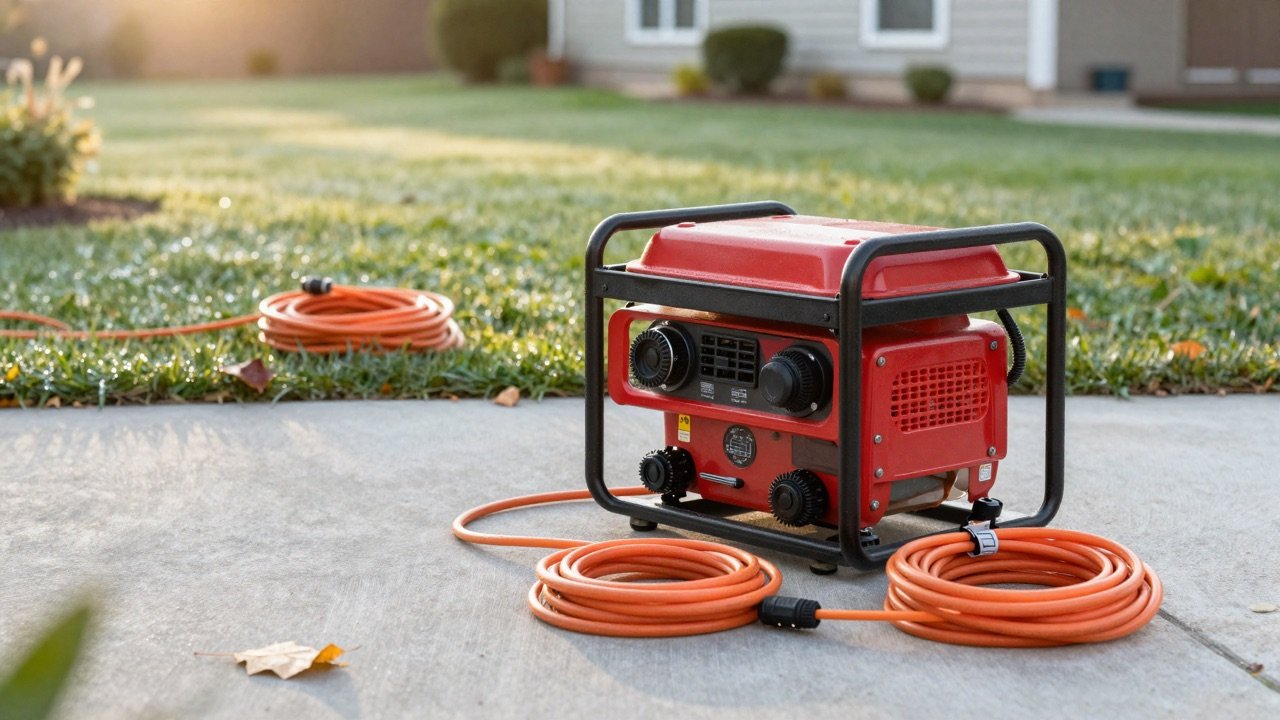
When the power goes out, a generator is the difference between a minor inconvenience and a freezer full of spoiled food. But buying a portable generator can feel overwhelming when you’re staring at a wall of wattage numbers, fuel types, and outlet configurations. The good news: once you understand a few core concepts, the right choice becomes obvious. This guide walks you through sizing, fuel options, and the features that genuinely matter, so you can buy with confidence and keep the lights on when it counts.
Why Sizing Matters More Than Anything Else
The single most common mistake people make when buying a portable generator is guessing at the size. Buy too small and your unit overloads and shuts down the moment the refrigerator and a space heater both kick on. Buy too big and you’ve spent hundreds of extra dollars and you’re burning more fuel than necessary. Getting the wattage right is the foundation of a smart purchase.
Generators are rated in watts, and you’ll see two numbers: running watts (the continuous power a device needs to operate) and starting watts (the brief surge required to start motors in appliances like fridges, well pumps, and air conditioners). Your generator has to cover both.
How to Calculate the Watts You Need
You don’t need an engineering degree, just a simple list. Follow these steps:
- List every device you want to run at the same time during an outage.
- Find the running watts for each (check the label, manual, or manufacturer site).
- Add up all the running watts to get your baseline.
- Find the single highest starting wattage among your devices and add that one number to your running-watt total.
- Add a 10-20% buffer so you’re never running the generator flat-out.
Here are typical running-watt ranges to help you estimate:
- Refrigerator/freezer: 600-800 running watts (1,200-2,000 to start)
- Sump pump: 800-1,050 running watts (1,300-3,000 to start)
- Window AC unit: 1,000-1,500 running watts
- Furnace fan (gas furnace): 600-800 running watts
- Lights, phone chargers, TV, Wi-Fi router: 300-600 watts combined
- Microwave or coffee maker: 1,000-1,500 watts
- Portable heater: 1,500 watts
Matching a Generator to Your Real-World Needs
Once you know your number, generators fall into a few practical categories. Most homeowners land in the 3,000-7,500-watt range.
Small (1,000-2,000 watts)
Great for camping, tailgating, charging devices, and running a few lights. These are usually quiet inverter models, but they won’t power a whole home.
Mid-Size (3,000-5,000 watts)
The sweet spot for keeping essentials alive during an outage: refrigerator, a few lights, a furnace fan, and your internet. This is where many first-time buyers should focus.
Large (6,000-10,000+ watts)
Powers most of a home, including larger appliances and central systems through a transfer switch. Heavier and thirstier, but the closest a portable unit gets to whole-house coverage.
Fuel Types: Gas, Propane, and Dual Fuel
Fuel choice affects runtime, storage, and how reliably your generator starts after sitting in the garage for months. Here’s how the main options compare when you’re buying a portable generator:
- Gasoline: Widely available and offers strong power output, but gas degrades in storage and can be hard to find during a regional outage when stations lose power. Use fuel stabilizer if you store it.
- Propane: Stores indefinitely in sealed tanks, burns cleaner, and starts reliably in cold weather. Slightly lower power output than gas, and you’ll want spare tanks on hand.
- Dual fuel: Runs on either gasoline or propane, giving you flexibility when one fuel is scarce. For many buyers, this is the most practical, worry-free choice.
Inverter vs. Conventional Generators
You’ll see “inverter” generators priced higher than conventional models, and it’s worth understanding why. Inverter generators produce cleaner, more stable power (low “total harmonic distortion”), which makes them safer for sensitive electronics like laptops, phones, TVs, and modern appliances with circuit boards.
They’re also typically quieter and more fuel-efficient because the engine throttles up and down based on demand instead of running at a constant speed. The trade-off is cost and, often, lower maximum output. If you’re powering electronics or want a quieter unit for a campsite or tight neighborhood, an inverter is well worth it. For running power tools or pumps, a conventional generator may give you more watts per dollar.
Features That Actually Matter
Beyond size and fuel, a handful of features separate a generator you’ll love from one you’ll regret. Prioritize these:
- Electric or remote start: Push-button starting beats yanking a pull cord, especially in cold or wet weather.
- CO safety shutoff: An automatic carbon-monoxide sensor shuts the engine down if CO builds up. This is a must-have safety feature, not a luxury.
- Outlet variety: Look for enough 120V household outlets plus a 120/240V locking outlet if you plan to use a transfer switch.
- 30-amp transfer-switch outlet: Lets an electrician connect the generator safely to your home’s panel so you can power hardwired items like a furnace.
- Wheels and a fold-down handle: A 5,000-watt unit can weigh well over 100 pounds. A solid wheel kit makes it usable.
- Fuel gauge and runtime per tank: Longer runtime at 50% load means fewer middle-of-the-night refuels.
- Low-oil shutoff: Protects the engine from damage and extends its life.
Safety Rules You Can’t Skip
Generators save the day, but only when used correctly. Carbon monoxide is the real danger. Always run your generator outdoors, at least 20 feet from your home, with the exhaust pointed away from windows, doors, and vents. Never operate one in a garage, basement, or enclosed porch, even with the door open. Let the unit cool before refueling, and never “backfeed” power by plugging the generator into a wall outlet, that can electrocute utility workers and damage your home. Use a proper transfer switch installed by a licensed electrician instead.
Frequently Asked Questions
What size generator do I need to run my house during an outage?
Most homes can keep essentials running on a 5,000-7,500-watt generator, which covers a refrigerator, furnace fan, lights, and electronics, plus the starting surge of the largest appliance. To power central air or an electric water heater too, you’ll likely need 8,000 watts or more paired with a transfer switch. Add up your running watts and your single biggest starting load to find your exact number.
Is propane or gasoline better for a portable generator?
Propane wins on storage and reliability because it doesn’t degrade and starts well in cold weather, while gasoline delivers slightly more power and is easy to top off. If you can’t decide, a dual-fuel generator lets you switch between the two, which is ideal for emergencies when one fuel may be hard to find.
How long can a portable generator run continuously?
Most run 8-12 hours on a tank at half load, and some larger or inverter models stretch to 18 hours or more. For extended outages, plan to refuel periodically and always let the engine cool first. Never run a generator nonstop for days without checking the oil.
Can I plug appliances directly into the generator?
Yes, you can use heavy-duty outdoor extension cords rated for the wattage to plug appliances right into the generator’s outlets. To power hardwired items like a furnace or to feed your home’s circuits, have a licensed electrician install a transfer switch. Never backfeed through a wall outlet.
The right portable generator is the one sized for your real needs, fueled in a way that fits your situation, and equipped with the safety features that protect your family. Take ten minutes to add up your wattage, decide between gas, propane, or dual fuel, and shortlist the features above. When you’re ready, browse our selection of portable generators and outdoor power equipment in the Garden Homes Realty shop, all backed by free US shipping and 30-day returns. Still not sure which model fits your home? Contact our team of real people for friendly, no-pressure advice, or check our FAQ page for answers to common ordering questions.