Blog
The Best Mowing Height for a Healthy Lawn

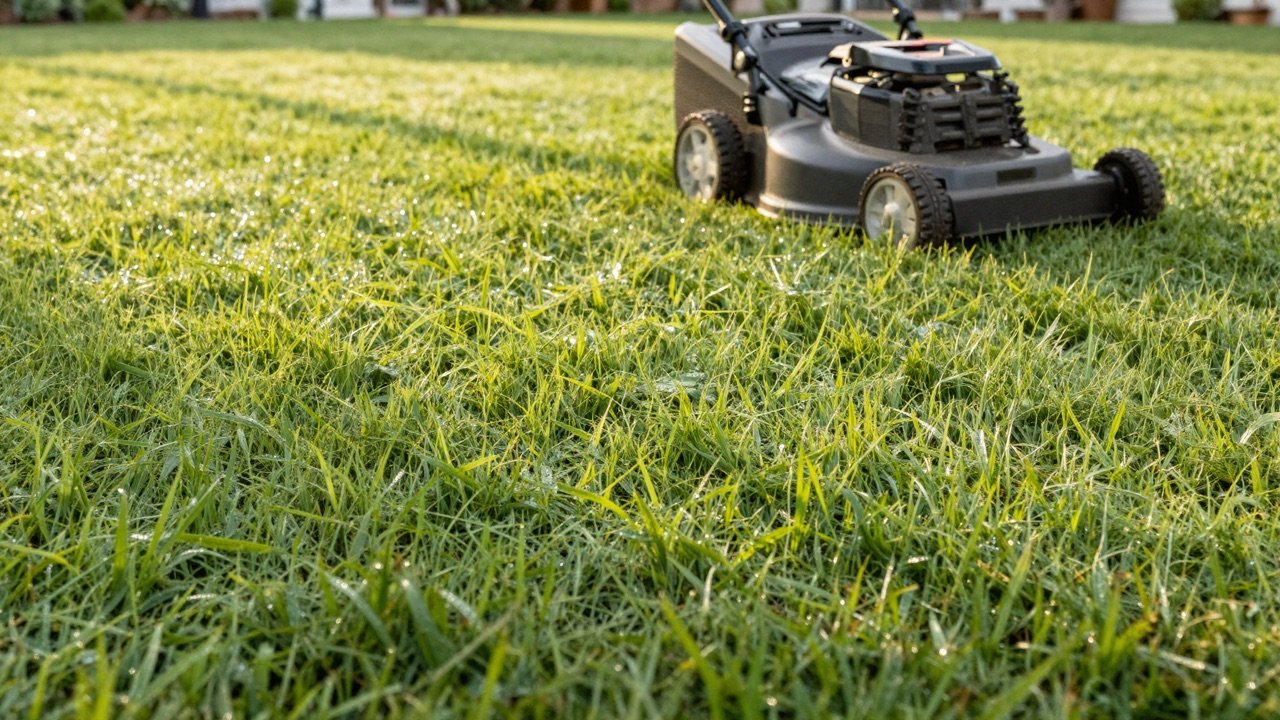
If your lawn looks patchy, weedy, or burnt no matter how often you water it, the problem may be sitting right under your mower deck. Finding the best mowing height for your grass is one of the simplest, cheapest things you can do to grow a thicker, greener, healthier lawn. Cut too short and you stress the roots; let it grow too tall and you invite disease and uneven cuts. In this guide we break down the ideal cutting height by grass type and season, explain the science in plain English, and share practical tips so you can dial in your mower with confidence.
Why Mowing Height Matters More Than You Think
Grass is a plant, and like any plant it makes its food through its leaf blades. When you scalp the lawn, you remove the very tissue that powers root growth. The result is a weak, shallow root system that dries out fast and struggles to compete with weeds.
Taller grass, on the other hand, does a lot of work for you:
- Shades the soil so it stays cooler and holds moisture longer.
- Crowds out weeds like crabgrass by blocking the sunlight their seeds need to sprout.
- Builds deeper roots, which means better drought tolerance and fewer brown patches.
- Stays greener because more leaf surface captures more sunlight.
The takeaway is simple: in most cases, a little taller is healthier. The best mowing height is rarely the shortest one your mower can manage.
The Best Mowing Height by Grass Type
There is no single “right” number because the best mowing height depends on what is growing in your yard. Cool-season grasses (common in the North) and warm-season grasses (common in the South) have very different ideal ranges. Here are the general targets most lawn experts agree on:
Cool-Season Grasses
- Kentucky bluegrass: 2.5 to 3.5 inches
- Tall fescue: 3 to 4 inches
- Fine fescue: 2.5 to 4 inches
- Perennial ryegrass: 2 to 3 inches
Warm-Season Grasses
- Bermudagrass: 1 to 2 inches (1.5 to 2.5 for common types)
- Zoysiagrass: 1 to 2.5 inches
- St. Augustinegrass: 2.5 to 4 inches
- Centipedegrass: 1.5 to 2 inches
If you are not sure which grass you have, take a close-up photo and a sample to a local garden center, or reach out through our contact page and we will happily point you in the right direction. As a safe default for a typical mixed Northern lawn, mowing at about 3 inches keeps most homeowners in good shape year-round.
The One-Third Rule: The Golden Guideline
Once you know your target height, the most important habit to build is the one-third rule: never remove more than one-third of the grass blade in a single mow. If your ideal height is 3 inches, you should mow before the grass reaches about 4.5 inches.
Cutting more than a third at once shocks the plant, exposes pale lower stems, and dumps heavy clippings that smother the turf. During fast-growing spring weeks that may mean mowing twice a week, while in the heat of summer you might go a week or more between cuts. Let the grass tell you when it needs cutting rather than following a rigid calendar.
Adjusting Mowing Height by Season
The best mowing height is not a “set it and forget it” number. Smart homeowners raise and lower the deck as conditions change.
- Early spring: Start slightly lower for the first cut to clear dead growth and let sunlight reach the crowns, then raise the deck as growth picks up.
- Summer: Raise your mower to the top of your grass’s range. Taller blades shade the soil, conserve water, and protect against heat stress and drought.
- Fall: Keep mowing at your normal height as growth continues, then gradually lower for the final cuts of the year.
- Last cut before winter: For cool-season lawns, a slightly shorter final cut helps prevent snow mold and matting.
Think of summer as “high and proud” and the transitions as gentle adjustments rather than dramatic buzz cuts.
Common Mowing Mistakes That Hurt Your Lawn
Even with the right height in mind, a few habits can undo your hard work. Watch out for these:
- Scalping: Cutting too low to stretch the time between mows. It stresses roots and invites weeds.
- Dull blades: A dull blade tears grass instead of slicing it, leaving frayed brown tips and an entry point for disease. Sharpen your blade at least once or twice a season.
- Mowing wet grass: Wet blades clump, clog the deck, and tear unevenly. Wait until the lawn dries.
- Always mowing the same direction: Vary your pattern each time so the grass stands upright and ruts do not form.
- Bagging every clipping: Grasscycling (leaving short clippings on the lawn) returns nitrogen to the soil and feeds your turf for free.
A well-maintained mower with a sharp blade makes hitting the best mowing height far easier. If your current machine struggles with deck-height adjustments or leaves an uneven cut, it may be time for an upgrade. Browse our full selection of mowers and outdoor power equipment in the shop.
How to Measure and Set Your Mowing Height
Most mowers list deck-height settings, but those numbers do not always match the actual cut height on your lawn. To check it yourself:
- Park the mower on a hard, flat surface like a driveway.
- Measure from the ground to the bottom edge of the cutting blade with a tape measure or ruler.
- Adjust the deck until the blade sits at your target height.
- Do a test pass on the lawn and measure the standing grass afterward to confirm.
This five-minute check is the difference between guessing and knowing, and it pays off in a noticeably healthier lawn.
Frequently Asked Questions
What is the best mowing height for most lawns?
For most cool-season lawns in the North, around 3 to 3.5 inches is a reliable sweet spot. Warm-season grasses like Bermuda and Zoysia are typically cut shorter, around 1 to 2.5 inches. Always match the height to your specific grass type for the best results.
Is it better to cut grass short or long?
Longer is almost always healthier. Taller grass develops deeper roots, shades out weeds, and holds moisture better. Cutting short to delay the next mow usually backfires by stressing the lawn and encouraging weeds and bare spots.
How often should I mow my lawn?
Mow based on growth, not the calendar, following the one-third rule. During active growth in spring you may need to mow once or twice a week, while in summer heat you might mow every 7 to 10 days. Cut whenever the grass grows about one-third taller than your target height.
Should I bag or mulch my grass clippings?
Mulching (grasscycling) is best in most cases. Short clippings break down quickly and return nitrogen and moisture to the soil, reducing your fertilizer needs. Bag only when clippings are long, clumping, or the lawn is diseased.
Getting the best mowing height right is one of the easiest upgrades you can give your yard, and it costs nothing but a few minutes of attention. Pair good mowing habits with a dependable, well-tuned machine and your lawn will reward you with thicker, greener growth all season long. Ready to make every cut count? Explore our mowers, parts, and outdoor power equipment in the shop, or contact our real-person support team for friendly advice on choosing the right mower for your lawn. Every order ships free in the US and is backed by our 30-day return guarantee.