Blog
New Homeowner Lawn Care: A Practical Yard Guide

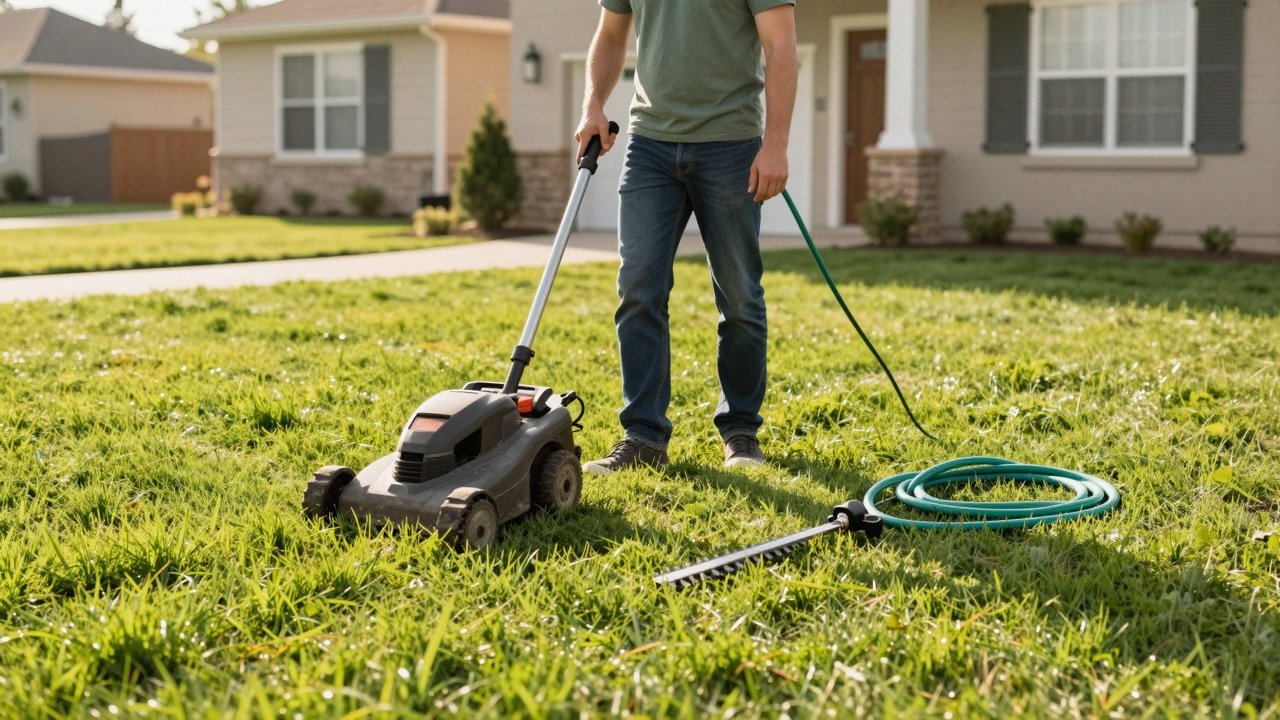
Congratulations on the new house. Somewhere between unpacking boxes and learning which light switch does what, you may have walked outside and realized that patch of green is now entirely your responsibility. If you have never owned a yard before, new homeowner lawn care can feel like a mystery wrapped in a hose. The good news? A healthy lawn comes down to a handful of simple habits done consistently. This guide breaks the whole thing into plain steps so you can grow grass you are proud of without guessing.
Start by Getting to Know Your Yard
Before you buy a single bag of fertilizer, spend a little time learning what you actually have. A smart approach to new homeowner lawn care begins with observation, not spending. Walk the property and take notes on a few key things:
- Grass type. Cool-season grasses (fescue, ryegrass, Kentucky bluegrass) thrive in northern climates, while warm-season grasses (Bermuda, zoysia, St. Augustine) dominate the South. This affects when you mow, feed, and water.
- Sun and shade. Note which areas bake in full sun and which stay shady. Different spots may need different care.
- Slope and drainage. Look for low spots that puddle after rain and slopes where water runs off quickly.
- Problem zones. Bare patches, weeds, moss, or compacted paths tell you where the lawn needs extra attention.
If you are not sure what grass you have, snap a photo and ask a local garden center or your county extension office. They can usually identify it in seconds and tell you what grows best in your region.
Test Your Soil
A simple soil test kit costs only a few dollars and tells you your soil’s pH and nutrient levels. Most grasses prefer a pH between 6.0 and 7.0. If your soil is too acidic or alkaline, even the best fertilizer will underperform. Testing once when you move in saves you money and frustration later.
Master the Mowing Basics
Mowing is the single most important task in new homeowner lawn care, and most beginners make the same mistake: cutting too short. Scalping the grass stresses the plant, invites weeds, and dries out the soil. Follow these rules instead:
- Follow the one-third rule. Never remove more than one-third of the grass blade in a single mow. If your grass got long, trim it down over two or three sessions.
- Keep blades higher. Most lawns do best at 3 to 4 inches. Taller grass shades out weeds and holds moisture.
- Sharpen your blade. A dull mower blade tears grass and leaves a ragged, brown-tipped lawn. Sharpen once or twice a season.
- Mow when dry. Wet grass clumps, clogs the deck, and spreads disease.
- Alternate your pattern. Changing mowing direction each week prevents ruts and helps grass stand up straight.
Leave the clippings on the lawn when they are short. Grasscycling returns nitrogen to the soil and can reduce your fertilizer needs. Choosing the right machine matters too. A push mower suits small flat yards, a self-propelled mower helps with hills, and a riding mower or zero-turn saves serious time once you pass roughly half an acre. You can browse options for every yard size in our shop.
Water Deeply, Not Often
New homeowners tend to water a little every day, which trains grass roots to stay shallow and weak. The better strategy is deep, infrequent watering that pushes roots down where they can find moisture during dry spells.
- Aim for about 1 inch of water per week, including rainfall.
- Water early in the morning so blades dry before evening, reducing disease.
- Check depth with a screwdriver. If it slides into the soil easily, you have watered enough.
- Skip watering after a good rain. Overwatering wastes money and invites fungus.
An inexpensive rain gauge or even a tuna can placed on the lawn helps you measure exactly how much your sprinkler delivers.
Feed and Strengthen Your Lawn
Grass is a living plant, and it needs nutrients to stay thick enough to crowd out weeds. A basic feeding schedule keeps things simple:
- Cool-season lawns: Feed in early fall and again in spring, the two windows when these grasses grow most.
- Warm-season lawns: Feed in late spring through summer when growth peaks.
Use a slow-release fertilizer and follow the bag’s coverage rate precisely. More is not better; over-fertilizing burns grass and pollutes nearby waterways. A spreader gives you even coverage and prevents the striped look you get from hand-tossing.
Aerate and Overseed
Once a year, especially in compacted or high-traffic yards, aerating pulls small plugs of soil to let air, water, and nutrients reach the roots. Follow aeration with overseeding to fill thin areas, and you will see a noticeably denser lawn within a few weeks.
Tackle Weeds, Leaves, and Seasonal Cleanup
A thick, healthy lawn is your best weed defense, but a few extras help. Spot-treat weeds rather than blanketing the whole yard, and pull persistent invaders by hand after rain when the soil is soft. As seasons change, stay on top of cleanup:
- Spring: Rake out debris, apply pre-emergent weed control, and tune up your mower.
- Summer: Mow high, water deeply, and watch for pests or brown patches.
- Fall: Clear leaves so they do not smother the grass, and do a final feeding for cool-season lawns.
- Winter: Service your equipment, drain fuel or charge batteries, and store everything dry.
A leaf blower, trimmer, and a good rake round out your toolkit and make these jobs far faster.
Build Your Starter Equipment Kit
You do not need everything at once. Start with the essentials and add as you go:
- A mower sized to your yard
- A string trimmer for edges and tight spots
- A broadcast spreader for seed and fertilizer
- A garden hose with an adjustable nozzle or sprinkler
- A rake, and a leaf blower for fall
- Basic safety gear: glasses, ear protection, and sturdy shoes
Quality tools last for years and make every chore easier. If you are unsure what fits your property, our team is happy to help you choose. Just reach out through our contact page and a real person will point you in the right direction.
Frequently Asked Questions
How often should a new homeowner mow the lawn?
During peak growing season, most lawns need mowing about once a week. In slower periods, every 10 to 14 days is fine. Let the grass height guide you rather than the calendar, and never cut more than one-third of the blade at a time.
What is the easiest first step in new homeowner lawn care?
Identify your grass type and test your soil. These two quick, low-cost steps tell you exactly when to mow, water, and feed, so every other decision becomes much simpler and you avoid wasting money on the wrong products.
Do I really need a riding mower for my yard?
It depends on size. Yards under half an acre are usually fine with a push or self-propelled mower. Larger properties save significant time with a riding or zero-turn mower. Consider terrain and how much time you want to spend mowing.
How much should I water a new lawn?
Aim for about 1 inch of water per week, including rain, delivered in one or two deep soakings rather than daily sprinkles. Early morning is best so the grass dries before nightfall and resists disease.
Lawn care gets easier every season as these habits become routine, and the payoff is a yard that feels like home. Whether you need your first mower, a trimmer, or replacement parts to keep equipment running, Garden Homes Realty offers quality outdoor power equipment with free US shipping, 30-day returns, and real-person support. Browse the shop to find the right gear for your yard, or visit our FAQ if you have questions before you buy. Your healthiest lawn starts with one small step today.