Blog
How Often to Mow Your Lawn: A Simple Guide

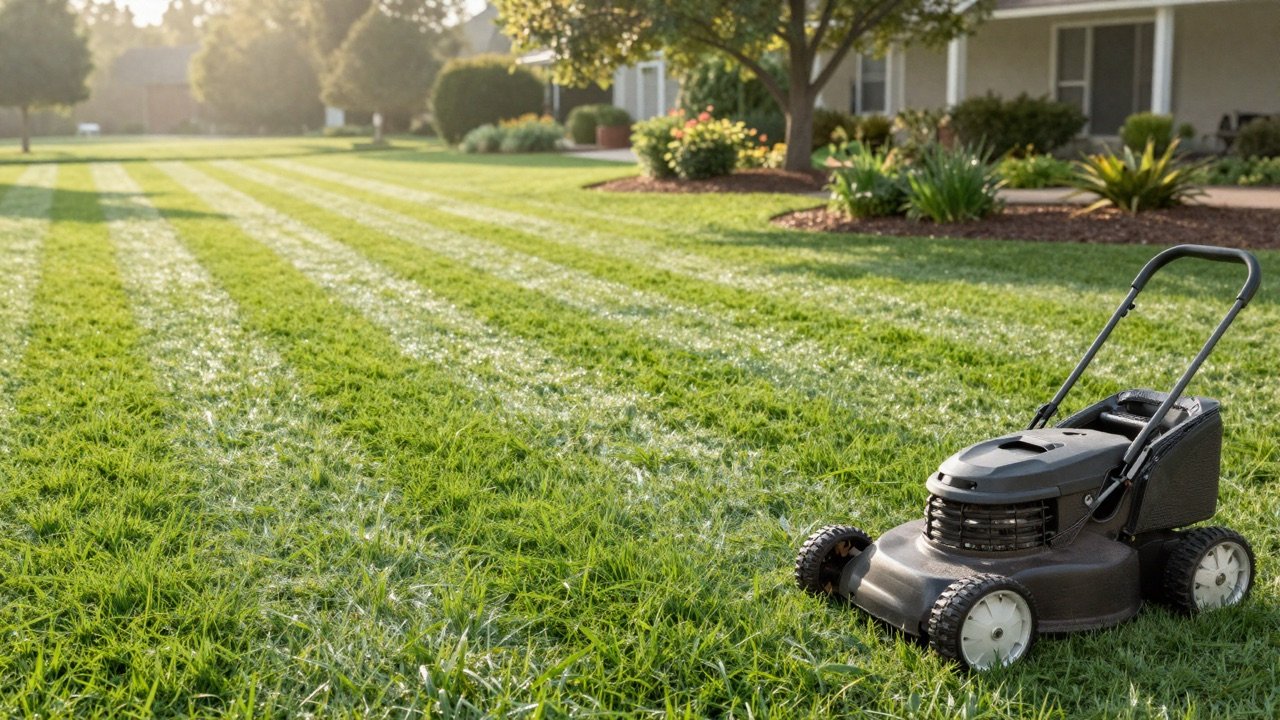
If you’ve ever stared out the window debating whether the grass really needs cutting again, you’re not alone. Figuring out how often to mow lawn areas correctly is one of the most common questions we hear, and the honest answer is: it depends. Mowing frequency changes with the season, your grass type, the weather, and even how you like your yard to look. The good news is that once you understand a few simple rules, you can stop guessing and start mowing on a schedule that actually keeps your lawn thicker, greener, and healthier.
In this guide, we’ll break down realistic mowing frequencies, explain the golden “one-third rule,” and help you read your lawn so you can mow at the right time, not just when it’s on your to-do list.
How Often to Mow Lawn Grass: The Quick Answer
For most lawns during the active growing season, mowing about once a week is the sweet spot. That weekly rhythm fits how quickly most grasses grow in spring and early summer, and it keeps your turf at a healthy height without stressing it.
That said, “once a week” is a starting point, not a hard rule. During peak growth you might need to mow every 4 to 5 days. During a hot, dry stretch or in the dormant months, you might go two or three weeks between cuts, or stop entirely. The smarter approach is to mow based on grass height rather than the calendar.
The One-Third Rule: Mow by Height, Not by Date
The single most important guideline for healthy mowing is the one-third rule: never remove more than one-third of the grass blade’s height in a single cut. Cutting more than that shocks the plant, weakens the roots, and invites weeds and disease.
Here’s how it works in practice. If your ideal grass height is 3 inches, you should mow when the grass reaches about 4.5 inches. Cutting that 4.5 inches down to 3 inches removes one-third, which is exactly right.
- Target height 2 inches? Mow at 3 inches.
- Target height 3 inches? Mow at 4.5 inches.
- Target height 4 inches? Mow at 6 inches.
When you follow this rule, the frequency takes care of itself. Fast-growing grass simply hits the trigger height sooner, so you naturally mow more often when it needs it and less often when it doesn’t.
Mowing Frequency by Season
Grass doesn’t grow at the same pace all year, so your mowing schedule shouldn’t stay the same either. Here’s a season-by-season look at what to expect.
Spring
Growth ramps up quickly as temperatures rise. Early spring may only need mowing every 10 to 14 days, but by late spring you’ll likely be cutting weekly, sometimes more. This is the busiest mowing stretch of the year for cool-season lawns.
Summer
For cool-season grasses, growth slows in the heat, so you may stretch to every 7 to 10 days. For warm-season grasses, summer is prime time and you may mow once a week or even twice. During drought or heat stress, raise your cutting height and mow less often, since taller grass shades the soil and holds moisture.
Fall
Cool-season lawns get a second growth surge, so weekly mowing returns. As temperatures drop, growth tapers and you’ll stretch the interval again. Keep mowing until the grass stops growing for the year.
Winter
In most regions, grass goes dormant and you can put the mower away. In warmer southern climates, you may still need an occasional trim, but mowing every few weeks is usually plenty.
How Grass Type Affects How Often You Mow
Your grass species sets the ideal height and the season when it grows fastest, both of which drive your mowing frequency.
- Cool-season grasses (Kentucky bluegrass, fescue, ryegrass): Grow most in spring and fall. Ideal height is roughly 2.5 to 4 inches. Expect frequent mowing in spring and autumn.
- Warm-season grasses (Bermuda, Zoysia, St. Augustine, centipede): Grow most in late spring through summer. Heights vary from under an inch for some Bermuda lawns up to 3 to 4 inches for St. Augustine. Bermuda in particular can demand mowing twice a week at peak.
If you’re not sure what you have, the growth pattern is a clue: a lawn that explodes in midsummer heat is almost certainly warm-season, while one that thrives in cool spring and fall weather is cool-season.
Signs You’re Mowing Too Often (or Not Enough)
Your lawn will tell you when your schedule is off. Watch for these signals.
You’re mowing too often or too short if you see:
- Brown or yellow tips right after cutting (scalping)
- Visible soil or thin, patchy areas
- More weeds creeping in
- Grass that dries out and browns quickly between cuts
You’re not mowing often enough if you see:
- Long clippings clumping on the surface
- A “hayed” look with pale stems where you cut into the lower stalk
- An uneven, shaggy appearance even right after mowing
- Removing far more than one-third of the blade each time
A Few Habits That Make Every Mow Count
Frequency matters, but a few simple practices protect your lawn no matter how often you cut.
- Keep blades sharp. Dull blades tear grass instead of slicing it, leaving frayed tips that brown and invite disease. Sharpen at least once or twice a season.
- Mow dry grass. Wet grass clumps, clogs your deck, and cuts unevenly. Wait until the morning dew burns off.
- Vary your pattern. Changing direction each mow prevents ruts and keeps grass standing upright.
- Leave the clippings. Short clippings break down fast and return nitrogen to the soil, a practice called grasscycling.
- Raise the deck in heat and drought. Taller grass shades roots and stays greener longer.
Having the right machine makes all of this easier. A reliable mower or zero-turn that suits your yard size keeps mowing day quick instead of dreaded. You can browse options and find the right fit in our online shop, and if you’re unsure which model matches your lawn, our support team is happy to help.
Frequently Asked Questions
How often should I mow my lawn in summer?
It depends on your grass type. Warm-season lawns like Bermuda and Zoysia grow fastest in summer and may need mowing once or twice a week. Cool-season lawns slow down in the heat, so every 7 to 10 days is often enough. During drought, raise your cutting height and mow less frequently.
Is it bad to mow your lawn too often?
Yes. Mowing too often or too short stresses the grass, weakens the roots, and can lead to scalping, brown patches, and more weeds. Stick to the one-third rule and only mow when the grass has grown tall enough to need it.
Can I mow my lawn once every two weeks?
During slow-growth periods like high summer for cool-season grass, late fall, or drought, mowing every two weeks can be fine. During peak growing season, two weeks usually lets the grass get too long, forcing you to remove more than one-third of the blade, which harms the lawn.
What time of day is best to mow?
Mid-morning, after the dew dries but before the hottest part of the afternoon, is ideal. The grass is dry enough for a clean cut, and the lawn has time to recover before evening, which helps prevent disease.
The Bottom Line
There’s no single magic number for how often to mow your lawn, but the principle is simple: mow by height, follow the one-third rule, and adjust for your grass type and the season. Do that, and you’ll cut less guesswork while growing a thicker, healthier yard. Ready to upgrade your mowing setup? Explore our full lineup of mowers and outdoor power equipment in the Garden Homes Realty shop, with free US shipping, 30-day returns, and real-person help just a message away.