Blog
Watering Your Lawn: How Much and When

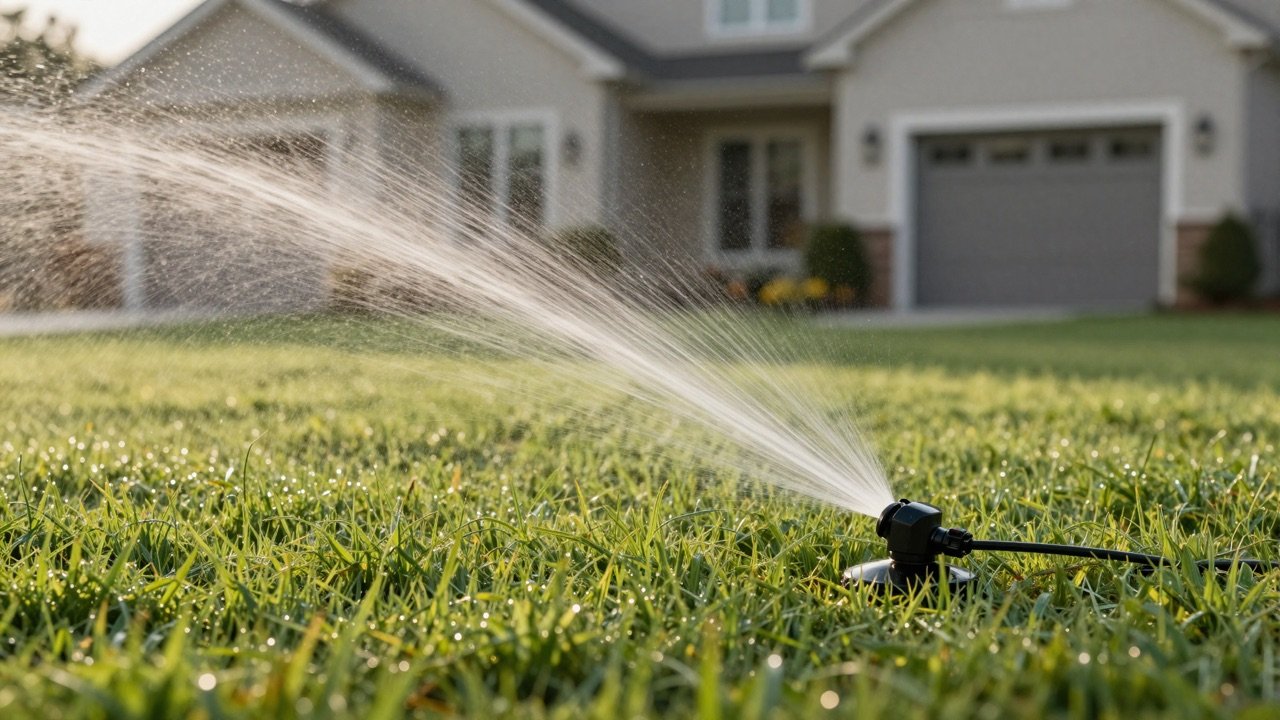
Few things make a yard look better than thick, green grass, and few things kill that look faster than watering it wrong. If you have ever wondered how to water your lawn without guessing, you are in the right place. Too little water leaves brown, crispy patches; too much invites disease and shallow roots. The good news is that getting it right is simple once you know how much water grass needs and when to deliver it. This guide walks you through the amount, the timing, and a no-stress schedule you can follow all season.
How Much Water Does a Lawn Actually Need?
The standard rule of thumb is that most lawns need about 1 to 1.5 inches of water per week, including rainfall. That is enough to soak the soil 6 to 8 inches deep, which is exactly where you want grass roots to grow. Deep, occasional watering trains roots to reach down for moisture, making your lawn far more drought-tolerant than daily light sprinkling ever could.
Here is the part that surprises people: it is better to water deeply two or three times a week than to give the grass a quick splash every day. Frequent shallow watering keeps roots near the surface, where they dry out fast and stress easily during hot spells.
How to Measure an Inch of Water
You do not need fancy gear. Place a few empty tuna cans or straight-sided containers around the yard while your sprinklers run, then check how long it takes to collect one inch. That tells you exactly how long to run your system each session.
- Tuna can test: Set out 3 to 5 cans, run the sprinklers, and time how long they take to fill to one inch.
- Screwdriver test: After watering, push a long screwdriver into the soil. If it slides in easily to 6 inches, you have watered deeply enough.
- Footprint test: If grass springs back after you walk on it, it has enough moisture. If footprints linger, it is thirsty.
The Best Time of Day to Water Your Lawn
Timing matters almost as much as the amount. The best window to water your lawn is early morning, between 4 a.m. and 10 a.m. The air is cool, winds are calm, and water soaks into the soil before the sun can evaporate it. Just as important, the blades dry out over the course of the day, which discourages fungus and lawn diseases.
Avoid these two common timing mistakes:
- Midday watering: Much of the water evaporates before it reaches the roots, wasting water and money.
- Evening or night watering: Grass that stays wet overnight is a breeding ground for fungal problems like brown patch and dollar spot.
If an early alarm is not realistic, a simple sprinkler timer makes morning watering automatic. Set it once and let it run while you sleep.
How Often Should You Water?
Frequency depends on your grass type, soil, and weather, but a reliable starting point is two to three sessions per week. Spread them out so the soil has time to absorb moisture and partially dry between waterings. A sample weekly rhythm might look like this:
- Day 1: Deep watering, about half an inch.
- Day 3: Deep watering, about half an inch.
- Day 5: Deep watering, about half an inch (skip if it has rained).
Sandy soil drains quickly and may need more frequent, shorter sessions. Clay soil holds water longer, so you may need to water in two shorter bursts to prevent runoff, letting it soak in between. When nature does the work for you, put the sprinklers away. A simple rain gauge tells you how much rainfall to subtract from your weekly total.
Adjusting for the Seasons
Your lawn’s thirst changes throughout the year, so a set-it-and-forget-it approach rarely works for twelve months straight.
Spring
Cooler temperatures and natural rainfall often mean you can water less. Let the lawn lead; only water when the top couple of inches of soil feel dry.
Summer
This is peak demand. Heat and longer days can push needs toward the higher end of the range. Watch for signs of stress like a bluish-gray tint or curling blades, and water early to beat the heat.
Fall
As temperatures drop, gradually reduce watering. Cool-season grasses still benefit from moisture as they store energy for winter, but they need far less than in July.
Winter
In most regions, dormant grass needs little to no supplemental water. In dry, mild climates, an occasional deep soak during long dry spells keeps roots alive.
Signs You Are Watering Wrong
Your lawn will tell you when something is off if you know what to look for. Keep an eye out for these clues:
- Overwatering: spongy or squishy ground, mushrooms, thatch buildup, yellowing grass, or water pooling and running off.
- Underwatering: dull blue-gray color, footprints that stay pressed down, dry crunchy patches, and slow growth.
- Uneven coverage: green stripes next to brown ones usually mean a sprinkler is missing spots or clogged.
A healthy watering routine paired with sharp mower blades and proper mowing height gives you the best results. Cutting grass too short stresses the roots and makes the whole lawn dry out faster, so the two habits go hand in hand.
Frequently Asked Questions
How long should I run my sprinklers?
It depends on your sprinkler’s output, but most systems need 20 to 40 minutes per zone to deliver about half an inch of water. Use the tuna can test to find your exact run time, then water two to three times a week to total 1 to 1.5 inches.
Is it bad to water my lawn every day?
Usually, yes. Daily light watering keeps roots shallow and weak. Deep, less frequent watering encourages roots to grow down, making your lawn stronger and more drought-resistant. The main exception is newly seeded lawns, which need light, frequent moisture until they establish.
Can I water my lawn in the evening?
It is best avoided. Grass that stays damp overnight is prone to fungus and disease. If you must water later in the day, aim for late afternoon so the blades have a few hours of daylight to dry before nightfall.
How do I know if it rained enough to skip watering?
Place a rain gauge in the yard, or check that you received the inch your lawn needs that week. If a steady rain delivered close to an inch, you can skip your next scheduled session and let the soil dry slightly before watering again.
Watering smart is one of the cheapest ways to a healthier, greener yard, and it pairs perfectly with the right mowing and maintenance gear. If you are ready to upgrade your sprinklers, mowers, or outdoor power equipment, browse our full lineup over at the shop, all backed by free US shipping and 30-day returns. Have a question about your specific lawn or setup? Our real-person support team is happy to help, just reach out and we will point you in the right direction. For more quick answers, our FAQ page covers shipping, returns, and more.