Blog
Mower Spark Plug and Air Filter Maintenance Guide

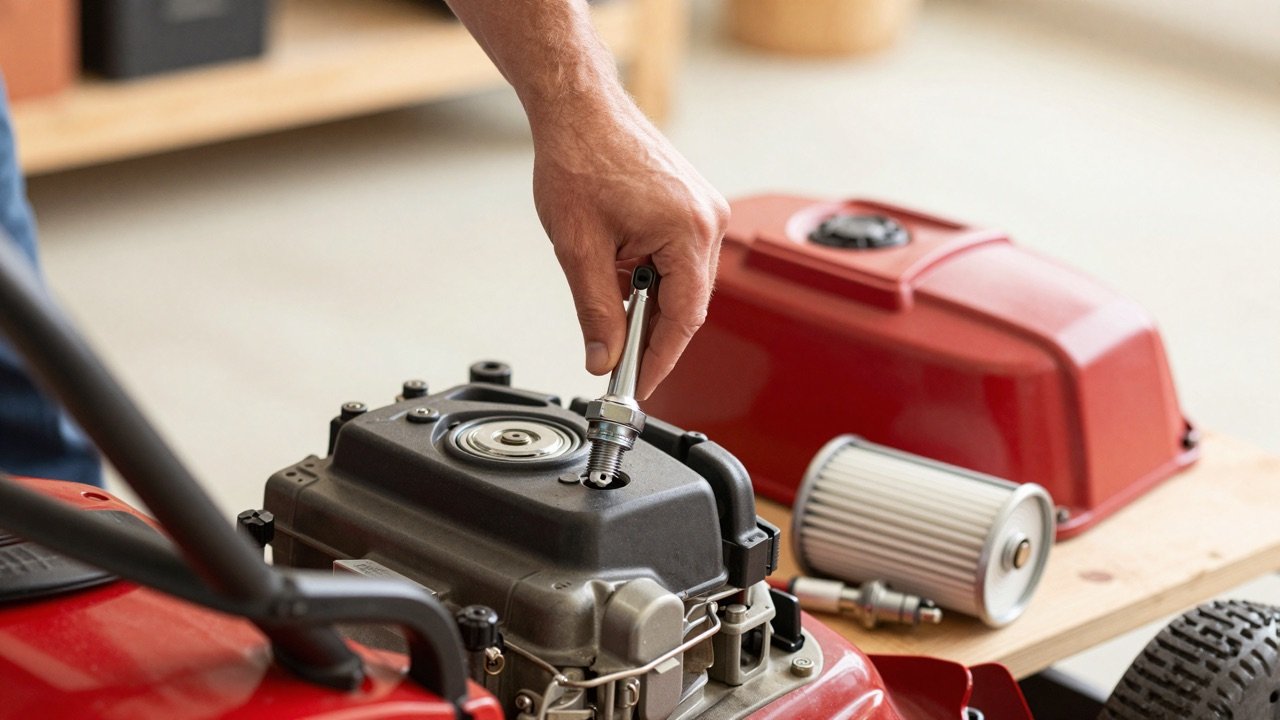
If your mower is harder to start than it used to be, sputters under load, or burns through fuel, the culprit is often two small, inexpensive parts. Caring for your mower spark plug and air filter is the single easiest way to keep a lawn mower, riding tractor, or zero-turn engine running smoothly. These two components handle the spark and the air your engine needs to make power, and both wear out on a predictable schedule. The good news: you can inspect and service them yourself in under 30 minutes with basic hand tools. This guide walks you through exactly how.
Why the Spark Plug and Air Filter Matter So Much
A small gas engine runs on a simple recipe: clean air, fresh fuel, and a strong spark, all at the right moment. The air filter guards the intake so only clean air reaches the carburetor and cylinder. The spark plug ignites the fuel-air mixture inside the cylinder. When either part is dirty or worn, that recipe falls apart.
A clogged filter chokes the engine, making it run rich (too much fuel, not enough air). A fouled or worn plug delivers a weak spark, or none at all. Together they cause most of the everyday running problems people blame on a “bad engine.”
Watch for these warning signs:
- Hard starting, or needing several pulls or key turns to fire up
- Rough idle, surging, or stalling when you engage the blades
- Visible black smoke or a strong fuel smell from the exhaust
- Noticeably worse fuel economy or loss of power on hills and thick grass
- Engine that won’t start at all after sitting through winter
How Often Should You Service Them?
Manufacturer intervals vary, but these general guidelines work for most residential lawn equipment. Always check your owner’s manual for the exact numbers for your model.
- Air filter: Inspect every 25 hours of use or monthly during mowing season. Clean foam filters as needed; replace paper filters every 100 hours or once a year, whichever comes first.
- Spark plug: Inspect annually. Replace every 100 hours of use or at the start of each season for trouble-free performance.
If you mow in dusty conditions, on a large dry lot, or kick up a lot of dirt, service the filter more often. Dust is the number one enemy of a small engine, and a $10 filter is far cheaper than a rebuilt cylinder.
How to Inspect and Replace Your Mower Spark Plug
Before you touch anything, let the engine cool completely and disconnect the spark plug wire so the engine can’t start. Here is the step-by-step process.
- Locate the plug. Follow the thick rubber spark plug wire to the front or side of the engine. Pull the boot straight off the plug.
- Clean the area. Wipe away grass and dirt around the base so nothing falls into the cylinder when you remove the plug.
- Remove the plug. Use a spark plug socket (usually 5/8″ or 13/16″) and a ratchet to turn it counterclockwise.
- Read the plug. A healthy plug has light tan or gray deposits. Black, sooty deposits mean it’s running rich or the filter is clogged. Oily, wet deposits suggest an oil problem. Heavy white or cracked porcelain means it’s time to replace it.
- Set the gap. If reusing the plug, check the electrode gap with a feeler gauge and match the spec in your manual (commonly 0.030″). Gently bend the side electrode to adjust.
- Reinstall. Thread the plug in by hand first to avoid cross-threading, then snug it with the socket. Don’t overtighten. Push the boot back on until it clicks.
When in doubt, replace the plug. A new one is inexpensive and guarantees a strong spark for the season.
How to Clean or Replace the Air Filter
Mowers use two common filter types, and each is handled a little differently.
Paper (Pleated) Filters
Paper filters are designed to be replaced, not washed. To clean lightly between changes, tap the filter gently against a hard surface to knock out loose debris. Never blast it with compressed air from the outside or wash it, as this damages the paper and lets dirt through. If it looks dark, oily, or torn, replace it.
Foam Filters
Foam filters are washable and reusable. Wash them in warm soapy water, rinse until the water runs clear, and let them dry completely. Many foam filters require a light coat of clean engine oil afterward, squeezed through so it’s evenly distributed and the foam is damp but not dripping. Check your manual to confirm whether yours is the oiled type.
Some engines use a dual setup with a foam pre-cleaner wrapped around a paper element. Service both together for best results, and make sure each piece is fully seated before you close the cover so no unfiltered air sneaks past.
Tools and Supplies You’ll Want on Hand
You don’t need a full shop to do this work. A small kit covers nearly every mower maintenance task:
- Spark plug socket and ratchet
- Feeler gauge or spark plug gap tool
- A correctly matched replacement spark plug
- A new air filter (or warm water and a few drops of oil for foam types)
- Shop rags and a small brush for cleaning around the engine
Keeping a spare plug and filter in the garage means you can fix a no-start problem on a Saturday morning instead of waiting on a parts run. If you’re not sure which parts fit your machine, our team is happy to help match the right ones. Browse maintenance parts in our online shop or reach out through our contact page with your model number.
A Simple Seasonal Maintenance Routine
Pairing these two jobs with the rest of your tune-up keeps everything on one easy schedule. At the start of each mowing season, plan to:
- Change the engine oil and oil filter (if equipped)
- Inspect and replace the spark plug
- Clean or replace the air filter
- Sharpen or replace the mower blade
- Add fresh fuel with stabilizer if the mower will sit between uses
Mid-season, a quick five-minute filter check goes a long way, especially during dry spells. Catching a dirty filter early prevents the engine from running rich and fouling the plug you just installed.
Frequently Asked Questions
How do I know if my mower spark plug and air filter need replacing?
Look for hard starting, rough idling, black smoke, or a drop in power and fuel economy. Pull the plug and inspect the electrode, and hold the filter up to the light. A dark, sooty plug or a filter you can’t see through usually means it’s time to replace one or both parts.
Can I clean a spark plug instead of replacing it?
You can carefully clean light deposits with a wire brush and re-gap the plug in a pinch, but spark plugs are inexpensive. For reliable starting and clean running, replacing the plug once a year or every 100 hours is the better choice.
Should I oil my mower’s air filter?
Only foam filters take oil, and only if your manual calls for it. Apply a light, even coat of clean engine oil to a washed, dry foam filter, then squeeze out the excess. Never oil a paper filter, as it will clog and starve the engine of air.
What happens if I run my mower with a dirty air filter?
A dirty filter chokes airflow, causing a rich fuel mixture, fouled spark plug, black smoke, and lost power. Run it long enough and dirt can bypass the filter entirely, scoring the cylinder and shortening engine life. It’s cheap insurance to keep it clean.
Keep Your Engine Starting on the First Pull
Maintaining your mower spark plug and air filter takes minutes but pays off all season in easy starts, smooth running, and a longer engine life. Stock up on the right plug and filter for your machine before the grass gets ahead of you. Shop quality replacement parts and outdoor power equipment in our online store, and if you have questions about your specific model, our real-person support team is just a message away on our contact page. You can also find quick answers on our FAQ page.