Blog
Inverter vs Conventional Generator: Which to Buy?

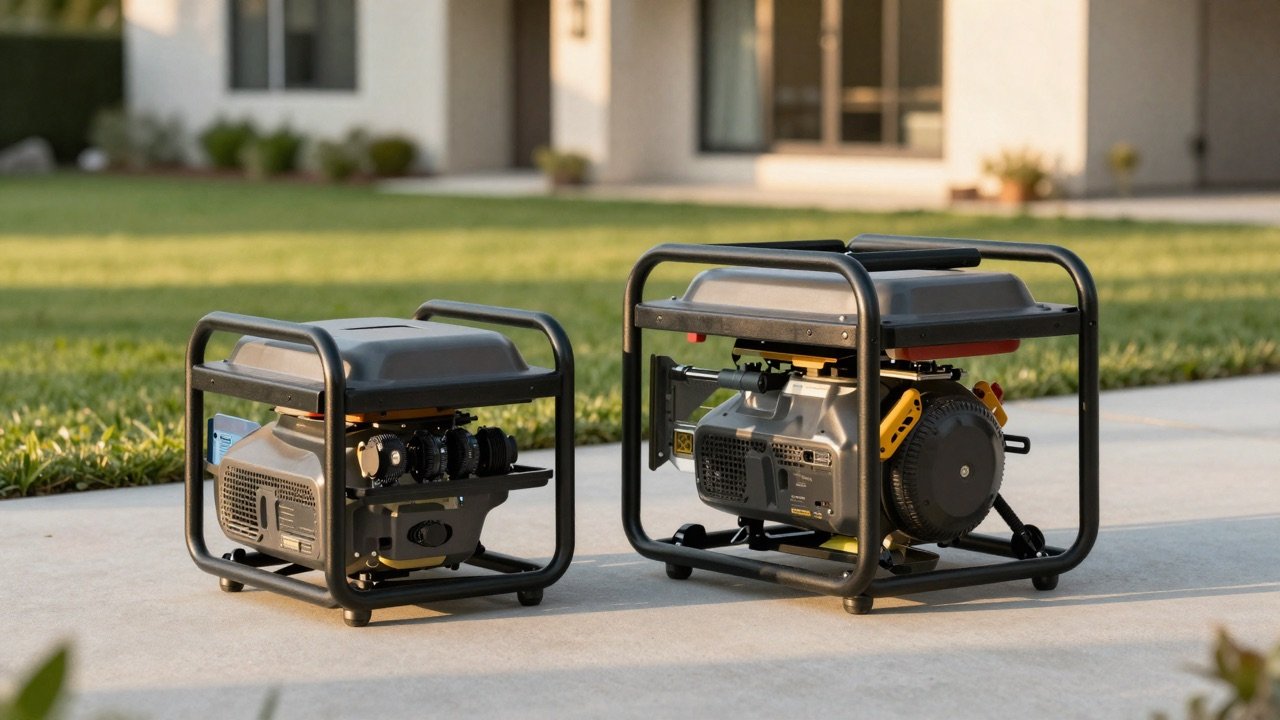
Shopping for backup power and stuck on the inverter vs conventional generator question? You are not alone. Both types burn fuel and turn an engine into electricity, but they do it in very different ways, and that difference shows up in your wallet, your ears, and the gear you can safely plug in. This guide breaks down how each one works, where each shines, and how to match the right generator to your home, jobsite, or campsite, without the marketing jargon.
How an Inverter and a Conventional Generator Actually Differ
A conventional (also called a “conventional” or “open-frame”) generator runs its engine at a fixed 3,600 RPM to produce alternating current directly. The engine speed has to stay locked to keep the electrical frequency at the 60 Hz that US appliances expect. It is a proven, simple, rugged design.
An inverter generator takes a smarter route. Its engine produces raw power, which is then converted to DC and “inverted” back into clean, stable AC through electronics. Because the output frequency is controlled by circuitry rather than raw engine speed, the engine can throttle up and down based on how much power you are actually drawing. That single design change drives most of the differences below.
Power Quality: Why It Matters for Electronics
The biggest practical gap in the inverter vs conventional generator debate is the quality of the electricity itself, measured as “total harmonic distortion” (THD).
- Inverter generators typically produce clean power with THD under 3%, similar to the power from your wall outlet.
- Conventional generators often run 5% to 25% THD, which is fine for tools and heaters but can be rough on sensitive devices.
If you plan to charge laptops, run a modern TV, power a CPAP machine, or keep a refrigerator with a digital control board happy, clean inverter power is the safer bet. Conventional generators are perfectly suited for power-hungry, less-fussy loads like work lights, air compressors, sump pumps, and space heaters.
Noise, Size, and Portability
Because an inverter generator throttles its engine to match demand, it usually runs quieter, often in the 50 to 60 decibel range at moderate loads, roughly the volume of a normal conversation. Conventional units run at full RPM the whole time, so they tend to be louder, frequently 65 to 75+ decibels.
Size and weight follow the same pattern. Inverter models are commonly built into enclosed, suitcase-style cases that are lighter and easy to carry or stash in a truck bed. Many smaller inverter units weigh under 50 pounds. Conventional open-frame generators are heavier and bulkier, but that extra mass often comes with bigger fuel tanks and higher peak output. For tailgating, camping, or RV use where quiet matters, inverters win. For a stationary jobsite, the noise of a conventional unit is less of an issue.
Fuel Efficiency and Run Time
Throttling pays off at the pump. Since an inverter engine slows down when you are only drawing a little power, it sips less fuel during light use. A conventional generator burns roughly the same amount of gas whether you are running one light bulb or a full load, because the engine never eases off.
That said, conventional generators usually carry larger fuel tanks, so they can still deliver long run times on a single fill, especially under heavy continuous load. The honest takeaway:
- For variable or light loads (a few electronics, a fan, some lights), an inverter stretches each gallon further.
- For steady, heavy loads over many hours, a conventional unit’s bigger tank can keep you running longer between refuels.
Power Output and Parallel Capability
Historically, conventional generators have offered the highest wattage for the lowest price, which is why they remain popular for whole-home backup and demanding jobsites. You can find conventional units pushing 7,500 watts and well beyond at a reasonable cost.
Inverter generators have closed the gap with larger models, but their real trick is parallel capability. Many inverters let you link two identical units together to roughly double your output, so you can buy one now and add a second later. That flexibility is handy if your needs grow over time.
Price: What You Pay and What You Get
Dollar for watt, conventional generators are cheaper up front. The extra electronics inside an inverter add cost, so you generally pay a premium for the quiet, clean, fuel-sipping experience. Whether that premium is worth it depends entirely on your use case. A weekend camper who values quiet and clean power will happily pay more; a contractor who needs maximum raw watts on a budget often won’t.
Which One Is Right for You?
Use this quick cheat sheet when weighing an inverter vs conventional generator:
- Choose an inverter if: you want quiet operation, clean power for electronics, light and easy portability, and better fuel economy at partial loads. Great for camping, RVs, tailgating, and powering sensitive home devices during outages.
- Choose a conventional generator if: you need the most watts for the lowest price, plan to run heavy tools or appliances, and don’t mind extra noise and weight. Great for jobsites, construction, and large-load home backup.
Still unsure? Add up the running watts of everything you want to power at once, add the higher starting watts for any motor-driven appliances (refrigerators, well pumps, AC units), and pick a generator with comfortable headroom above that number. Our FAQ page covers sizing basics, and our team is happy to talk through your specific list.
Quick Safety Reminders for Any Generator
- Always run a generator outdoors, far from windows and doors, never in a garage or enclosed space, because of deadly carbon monoxide.
- Let the unit cool before refueling, and store fuel safely.
- Use heavy-duty, properly rated extension cords, and never “backfeed” power into your home’s wiring without a transfer switch installed by a licensed electrician.
- Keep the generator dry and on a stable, level surface.
Frequently Asked Questions
Is an inverter generator better than a conventional one?
Not universally, it depends on your needs. Inverter generators are better for quiet operation, clean power, and fuel efficiency at light loads, making them ideal for electronics, camping, and RVs. Conventional generators are better when you want maximum wattage for the lowest price and are running rugged loads like power tools.
Can a conventional generator power a TV or laptop?
It can, but the higher harmonic distortion in conventional power can be hard on sensitive electronics over time. For TVs, laptops, gaming consoles, and medical devices, the clean, stable output of an inverter generator is the safer choice.
Why are inverter generators more expensive?
Inverter generators include extra electronic circuitry that converts and conditions the power into a clean, stable signal. That technology, along with quieter enclosures and lighter materials, raises the manufacturing cost compared to a simpler conventional design.
How do I know what size generator I need?
Add up the running watts of every device you want to power simultaneously, then account for the higher starting (surge) watts of any motor-driven appliances. Choose a generator rated comfortably above that total so you are never maxing it out. When in doubt, size up.
Once you know whether quiet, clean inverter power or high-output, budget-friendly conventional power fits your life, the choice gets a lot easier. Browse our full lineup of generators and outdoor power equipment over on the shop page, all backed by free US shipping, 30-day returns, and real-person help. Have a tricky load list or a question about run time? Contact us and a member of our team will help you pick the right generator the first time.