Blog
Spring Lawn Care Checklist for a Greener Yard

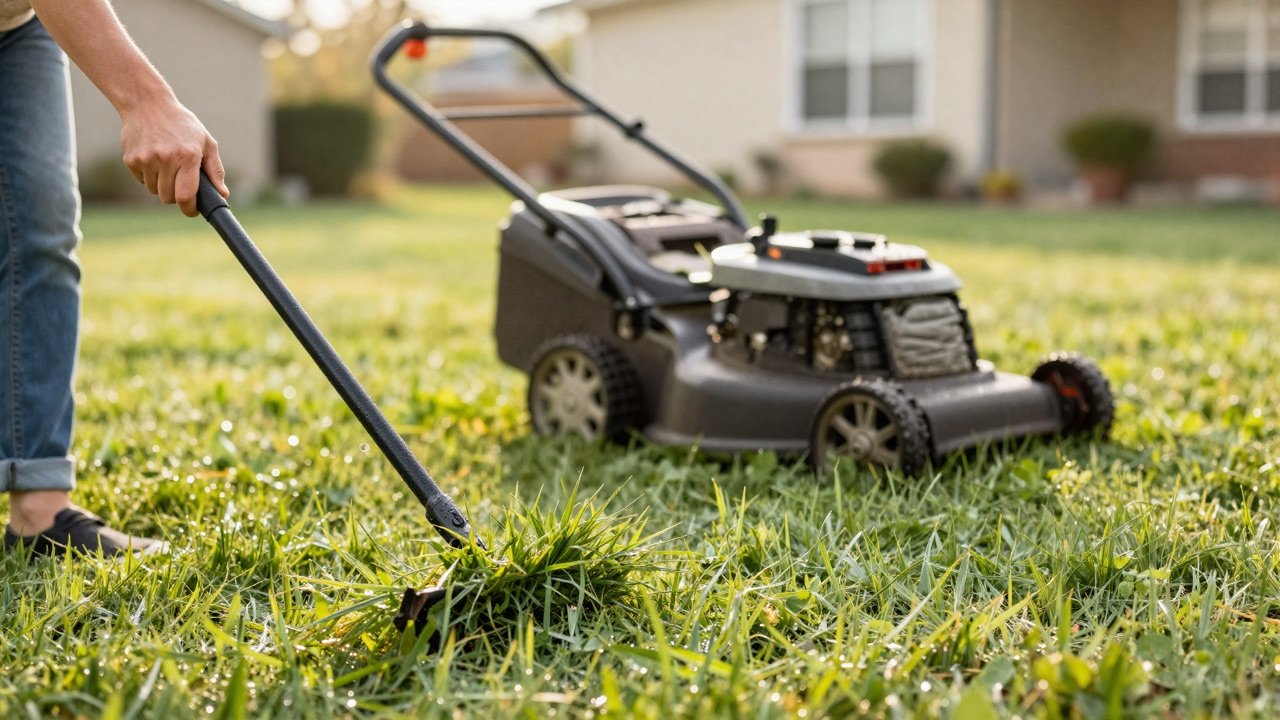
After a long winter, your grass is hungry, compacted, and ready to grow. The work you put in over the next few weeks decides whether you’ll spend the summer admiring a lush carpet of green or fighting weeds and bare patches. This spring lawn care checklist breaks the season into clear, doable steps so you know exactly what to do and when. No guesswork, no wasted weekends, just a healthier yard you can be proud of.
Whether you have a small suburban lot or a sprawling property, the order of operations matters. Tackle these tasks in sequence and you’ll set your lawn up to thrive right through summer.
Why a Spring Lawn Care Checklist Matters
Grass comes out of dormancy with shallow roots and depleted energy reserves. Spring is the window when the right inputs, such as nutrients, oxygen, and water, do the most good. Skip the early steps and you’ll be playing catch-up all year. A structured spring lawn care checklist keeps you from doing things in the wrong order, like fertilizing before you’ve cleared debris, or mowing too short before the grass has recovered.
It also saves money. Healthy turf naturally crowds out weeds, which means fewer products and fewer headaches later. Think of these chores as an investment that pays dividends every weekend you get to relax instead of repair.
Step 1: Clean Up and Inspect the Yard
Before any growing work begins, give your lawn a fresh start. Winter leaves behind fallen branches, matted leaves, and trash that smother new growth and trap moisture against the soil.
- Rake up dead leaves, twigs, and debris to expose the soil to sunlight.
- Walk the lawn and note bare spots, low areas that hold water, and any winter damage.
- Check for snow mold or matted patches and gently rake them to improve airflow.
- Pick up rocks, pet waste, and anything that could damage your mower blade.
This is also the perfect time to inspect your equipment. Sharpen or replace mower blades, change the oil, check the air filter, and top off fuel. A dull blade tears grass instead of cutting it, leaving frayed tips that brown out and invite disease.
Step 2: Test Your Soil and Fix the Foundation
Healthy grass starts with healthy soil. A simple soil test, available at most garden centers or your local extension office, tells you the pH and which nutrients are missing. Most lawns prefer a pH between 6.0 and 7.0.
If your soil is too acidic, apply lime; if it’s too alkaline, sulfur can help. Getting the pH right means the fertilizer you apply later actually gets absorbed instead of sitting unused. Don’t skip this step, because it’s the difference between feeding your lawn and wasting product.
Aerate Compacted Soil
If your soil is hard or your lawn sees heavy foot traffic, aeration loosens it so air, water, and nutrients reach the roots. Core aerators that pull small plugs of soil work best. Cool-season lawns can be aerated in early spring or fall, while warm-season grasses respond well to late-spring aeration once they’re actively growing.
Step 3: Overseed Bare and Thin Spots
Bare patches are open invitations for weeds. Overseeding thickens your lawn and fills in damage from winter, pets, or heavy use. For best results:
- Choose a grass seed that matches your existing lawn and your region’s climate.
- Loosen the top layer of soil in bare areas with a rake.
- Spread seed evenly, then lightly cover with a thin layer of soil or compost.
- Keep the seeded areas consistently moist until the new grass is established.
Time your overseeding so new seedlings have weeks of mild weather to mature before summer heat arrives. If you’re applying a pre-emergent weed control, remember it will also stop grass seed from germinating, so plan to seed first or wait until next season for that area.
Step 4: Feed Your Lawn the Right Way
Once the soil is prepped, it’s time to fertilize. Spring feeding gives grass the nitrogen it needs to green up and build strong roots. Use a slow-release fertilizer so nutrients release gradually rather than causing a surge of weak, fast growth.
For cool-season grasses like fescue and bluegrass, a light early-spring feeding works well, with the heaviest feeding saved for fall. Warm-season grasses like Bermuda and zoysia benefit most from fertilizer in late spring once they’ve fully greened up. Always follow the label rate, because more is not better and over-fertilizing can burn your lawn and pollute waterways.
Step 5: Mow Smart and Water Deeply
Your first cut of the season should happen once the grass is actively growing, usually when it reaches about three inches tall. Resist the urge to scalp it short.
- Follow the one-third rule: never remove more than a third of the blade height in a single mow.
- Mow high: taller grass shades the soil, slows weed growth, and develops deeper roots.
- Keep blades sharp: a clean cut heals faster and looks better.
- Leave the clippings: grasscycling returns nitrogen to the soil for free.
When it comes to water, deep and infrequent beats light and daily. Aim for about one inch of water per week, including rainfall, delivered in the early morning. This encourages roots to grow down in search of moisture, making your lawn far more drought-resistant by midsummer.
Quick Spring Lawn Care Checklist Recap
- Clean up debris and inspect for damage.
- Service your mower and sharpen the blade.
- Test soil pH and adjust as needed.
- Aerate compacted areas.
- Overseed bare and thin spots.
- Apply slow-release fertilizer at the right rate.
- Mow high and water deeply once a week.
Print this list, tape it inside your shed door, and check off each task as the season unfolds. For more seasonal guides and gear advice, visit our shop or browse answers in our FAQ.
Frequently Asked Questions
When should I start my spring lawn care?
Begin once the soil thaws and grass starts greening up, typically when daytime temperatures hold steadily in the 50s to 60s Fahrenheit. Start with cleanup and equipment prep, then move to soil testing, seeding, and feeding as the grass enters active growth.
Should I fertilize or overseed first in spring?
Overseed first if your lawn has bare or thin spots, since new grass needs to establish before competing with fast growth. You can apply a starter fertilizer designed for new seed at the same time. Avoid pre-emergent weed control on areas you plan to seed, as it prevents grass seed from germinating too.
How short should I cut my grass in spring?
Mow high rather than short. Most lawns do best kept around three to three and a half inches tall. Never remove more than one-third of the blade in a single pass, as cutting too low stresses the grass and lets weeds take hold.
How often should I water a new spring lawn?
Newly seeded areas need to stay consistently moist with light daily watering until the grass is established. For an established lawn, switch to deep watering about once a week, totaling roughly one inch including rainfall, ideally in the early morning.
Get Your Yard Ready This Spring
A great lawn doesn’t happen by accident, but it isn’t complicated either. Work through this checklist step by step and you’ll be rewarded with thick, green grass that turns heads all season. Having the right equipment makes every task faster and easier, from a sharp-bladed mower to a reliable aerator and spreader. Explore dependable mowers, parts, and outdoor power equipment in our shop, all backed by free US shipping and 30-day returns. Have a question about the right tool for your yard? Our real-person support team is happy to help, so contact us anytime.