Blog
How to Fix a Patchy Lawn: Bare Spot Repair Guide

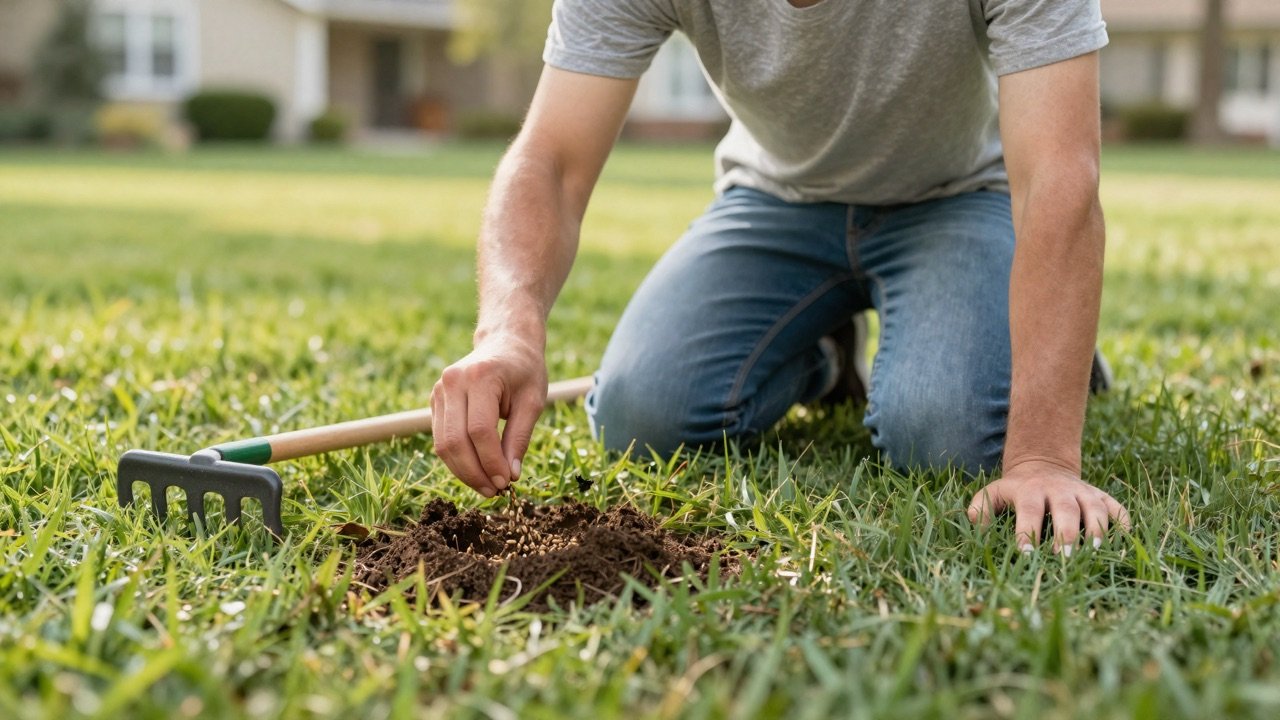
Few things frustrate a homeowner more than a lawn that looks great in most places but is dotted with thin, brown, or completely bare patches. The good news is that you can almost always fix a patchy lawn yourself in a weekend, without hiring a pro or tearing everything up. The key is figuring out why the bare spots appeared in the first place, then giving new grass the best possible start. In this guide, we’ll walk through diagnosing the cause, repairing the soil, choosing the right seed, and keeping those patches from coming back.
Why Lawns Develop Bare and Patchy Spots
Before you can fix a patchy lawn, you need to know what caused the damage. Reseeding over the same underlying problem just leads to the same bare spot a few weeks later. Here are the most common culprits:
- Heavy foot traffic compacts the soil so roots can’t breathe or spread, especially along shortcuts and play areas.
- Pet urine burns grass with concentrated nitrogen and salts, leaving round dead patches with a darker green ring.
- Grubs and insects chew through roots, causing turf you can pull up like a loose carpet.
- Fungal disease shows up as irregular straw-colored or sunken patches, often after humid weather.
- Drought or poor watering dries out high or sandy areas faster than the rest of the yard.
- Too much shade from trees and buildings starves sun-loving grass of energy.
- Scalping from mowing too low or with a dull blade tears grass instead of cutting it cleanly.
Walk your lawn and match each patch to one of these causes. If the soil is rock-hard, suspect compaction. If turf lifts easily, check for grubs underneath. Knowing the reason tells you whether you simply need to reseed or also need to fix the soil, drainage, or mowing habits first.
Tools and Materials You’ll Need
Repairing bare spots doesn’t require much, but having everything on hand makes the job smoother. Gather these before you start:
- A metal rake and a garden fork or hand cultivator
- Grass seed that matches your existing lawn (more on this below)
- Quality topsoil or a bagged lawn-repair mix with seed, mulch, and fertilizer
- A light starter fertilizer
- Straw or seed-blanket mulch to hold moisture
- A hose with a gentle spray nozzle or a sprinkler
For larger thin areas across the whole yard, a broadcast or drop spreader and a core aerator make overseeding far more even. If your equipment is showing its age, it may be time to refresh a few basics from our shop before the growing season hits full swing.
Step-by-Step: How to Fix a Patchy Lawn
Once you know the cause and have your supplies, follow these steps for reliable bare spot repair.
- Clear the dead material. Rake out dead grass, thatch, and debris until you reach bare soil. Removing this layer lets seed make direct contact with the ground.
- Loosen the soil. Scratch up the top inch or two with a rake or garden fork. Compacted ground should be broken up so new roots can push down easily.
- Amend if needed. Mix in an inch of fresh topsoil or compost on poor or sunken spots to level the area and feed young roots.
- Spread the seed. Sow seed evenly, slightly heavier in the center of the patch. Don’t pile it on; overcrowded seedlings compete and grow weak.
- Press it in. Lightly rake or walk over the area so seed sits about a quarter inch deep with good soil contact.
- Add starter fertilizer. A light, balanced starter feed gives seedlings the phosphorus they need to root.
- Mulch lightly. Cover with a thin layer of straw or a seed blanket to retain moisture and shield seed from birds and runoff.
- Water gently. Soak the area without creating puddles, then keep it consistently moist while the grass germinates.
Choosing the Right Grass Seed
Matching your seed to your existing lawn keeps repairs from standing out like a sore thumb. Identify whether you have a cool-season grass (Kentucky bluegrass, fescue, ryegrass) common in northern states, or a warm-season grass (Bermuda, zoysia, St. Augustine) found in the South.
Cool-season lawns
Best seeded in early fall or early spring when soil temperatures sit between 50 and 65 degrees. Tall fescue blends are forgiving and germinate quickly, making them great for patch jobs.
Warm-season lawns
Seed in late spring through early summer once the soil warms past 65 degrees. Note that some warm-season grasses spread by runners rather than seed, so plugs or sod may repair patches faster than seed alone.
If your patches sit under trees, choose a shade-tolerant blend. For high-traffic zones, look for seed labeled for durability and quick recovery. Not sure what you’re growing? Send us a photo through our contact page and our team can help you match it.
Watering and Aftercare for Strong Roots
Watering is where most patch repairs succeed or fail. New seed must stay consistently moist, never soggy and never bone-dry, until it establishes.
- Weeks 1-2: Mist the area lightly once or twice a day so the top inch never dries out.
- Weeks 3-4: As seedlings sprout, water a little deeper but less often to encourage roots to grow down.
- After establishment: Transition to one inch of water per week, ideally in the early morning.
Stay off the new grass until it’s about three inches tall. Wait until you’ve mowed the repaired area two or three times before applying weed control, since herbicides can kill tender seedlings. When you do mow, use a sharp blade and never cut more than a third of the blade height at once.
Preventing Patchy Spots From Returning
Fixing the patch is only half the battle. To keep your lawn thick and even, build these habits into your routine:
- Aerate yearly to relieve compaction and improve water and air flow to roots.
- Overseed in fall to crowd out weeds and thicken thinning areas before they go bare.
- Mow high. Taller grass shades the soil, holds moisture, and outcompetes weeds.
- Feed on schedule with a balanced fertilizer program suited to your grass type.
- Manage pets and traffic by rotating play areas and rinsing pet spots promptly.
- Treat pests early before grubs or disease spread across larger sections.
A consistent routine and well-maintained equipment go a long way. You’ll find seasonal maintenance tips throughout our site, and you can always reach a real person if you get stuck.
Frequently Asked Questions
How long does it take to fix a patchy lawn?
Most grass seed germinates in 7 to 21 days depending on the variety and temperature. Expect a freshly seeded patch to blend in within four to six weeks, and to fully match the surrounding lawn after a couple of mowings and one growing season.
What is the best time of year to repair bare spots?
For cool-season grasses, early fall is ideal, followed by early spring. For warm-season grasses, late spring into early summer works best. In both cases, you want mild temperatures and reliable moisture so seedlings can establish before heat or frost stress sets in.
Can I just throw grass seed on the bare spot?
You can, but results are usually poor. Seed needs direct contact with loosened soil, light cover, and steady moisture to germinate well. Taking ten extra minutes to rake, level, and mulch the spot dramatically improves how thick the new grass fills in.
Why does my grass keep dying in the same spot?
A recurring bare spot signals an unsolved underlying problem, such as soil compaction, poor drainage, heavy shade, pet urine, or grubs. Identify and correct the root cause before reseeding, or the patch will keep returning no matter how much seed you sow.
With a little diagnosis and the right approach, almost any homeowner can turn thin, bare patches into thick, healthy turf. Ready to gear up for the repair? Browse mowers, spreaders, aerators, and outdoor power equipment in our online shop, all with free US shipping and 30-day returns. Have questions about your specific lawn? Reach out through our contact page and a real person will help you get growing.