Blog
How Much Mower Do You Need for 1, 2, or 5 Acres?

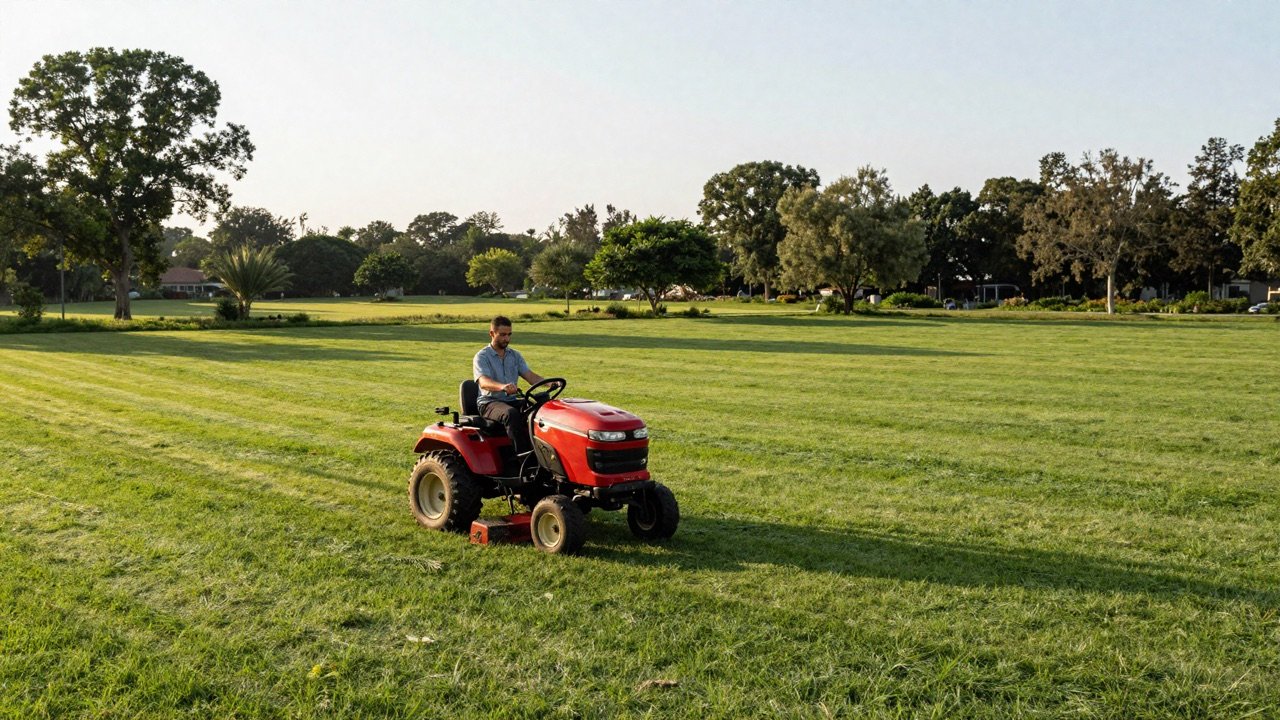
If you’ve ever spent a sweaty Saturday pushing a 21-inch mower across what feels like a football field, you already know the question that matters: how much mower do you actually need? Picking the right mower for large yard work isn’t about buying the biggest, most expensive machine on the lot. It’s about matching deck width, drive type, and engine power to your real acreage so you finish faster, burn less fuel, and avoid buyer’s remorse. Below, we break it down by 1, 2, and 5 acres with honest, plain-English advice.
How to Size a Mower for a Large Yard
Mowing time comes down to three numbers: how wide you cut, how fast you move, and how many times you have to turn around. A bigger cutting deck covers more ground per pass, a faster ground speed eats up open areas, and a tighter turning radius saves you from creeping around every tree and flower bed.
Here’s a rough rule of thumb most homeowners can plan around:
- Under 1/2 acre: A push or self-propelled walk-behind (21–22 in) is usually plenty.
- 1/2 to 1 acre: A wide-cut walk-behind or an entry-level riding mower starts to pay off.
- 1 to 3 acres: A riding mower or lawn tractor with a 42–54 in deck.
- 3 to 5+ acres: A zero-turn mower or garden tractor with a 54–60 in deck.
Terrain matters too. Flat, open ground lets you run a wide deck at full speed. Hills, ditches, tight gates, and lots of obstacles push you toward a more maneuverable machine, sometimes a smaller deck that can actually get the job done without scalping or tipping.
1 Acre: Riding Mower or Wide-Cut Walk-Behind
One acre is roughly 43,560 square feet, about the size of a football field minus the end zones. You can mow it with a self-propelled walk-behind, but plan on 60 to 90 minutes of walking each time. For most people, that’s the tipping point where a ride-on starts to make sense.
What works well at 1 acre
- Riding mower / lawn tractor, 42 in deck: Cuts the job to around 45 minutes and saves your knees.
- Wide-cut walk-behind, 28–30 in deck: A budget-friendly middle ground if you have storage limits or tight access.
If your acre is mostly open with gentle slopes, a 42-inch riding mower is the sweet spot for value and speed. If it’s chopped up by gardens, a swing set, and trees, lean toward something nimble, the extra deck width won’t help if you’re constantly backing up.
2 Acres: Lawn Tractor or Entry-Level Zero-Turn
At 2 acres, walk-behinds are off the table for most folks, you’d be out there close to two hours. This is prime territory for a capable lawn tractor or your first zero-turn mower.
Lawn tractor vs. zero-turn at this size
A lawn tractor with a 46–54 in deck and 18–24 HP engine is dependable, comfortable on slopes, and often accepts attachments like baggers, carts, and dethatchers. A zero-turn with a 48–52 in deck cuts the same yard noticeably faster thanks to higher ground speeds and the ability to pivot in place around obstacles.
Choose a lawn tractor if you want one machine for mowing and light hauling or seasonal chores. Choose a zero-turn if speed and trimming around obstacles are your priority and your ground is reasonably flat. Either way, look for at least 18 HP so the engine isn’t straining through thick spring growth.
5 Acres: Zero-Turn or Garden Tractor With a Big Deck
Five acres is real property, and time becomes the deciding factor. With a small deck, you could spend three-plus hours per cut. The goal here is a wide deck and high ground speed so you’re done in roughly 90 minutes to two hours.
- Commercial-grade or premium zero-turn, 54–60 in deck: The fastest option for open acreage; fuel-injected engines and reinforced decks hold up to heavy weekly use.
- Garden tractor, 54–60 in deck: Heavier-duty than a lawn tractor, with stronger transmissions and the muscle to pull ground-engaging attachments.
- Mid-size or sub-compact tractor: Worth considering if you also need to grade, plow, or move material around a rural property.
On 5 acres, also think about fuel capacity and seat comfort. A bigger tank means fewer interruptions, and a high-back seat with armrests turns a long mow into something you don’t dread. If part of your land is rough or sloped, keep a smaller, agile machine in mind for those zones rather than forcing one mower to do everything.
Deck Size and Engine Power Cheat Sheet
Use this quick reference when you’re comparing machines for a large yard:
- 1 acre: 42 in deck, 14–18 HP, riding mower or wide walk-behind.
- 2 acres: 46–54 in deck, 18–24 HP, lawn tractor or entry zero-turn.
- 5 acres: 54–60 in deck, 22–26+ HP, zero-turn or garden tractor.
One caution: don’t over-buy on deck width if your property is full of obstacles or has narrow gates. A 60-inch deck that can’t fit through your fence opening or squeeze between trees will frustrate you every weekend. Measure your tightest gate and your trickiest passages before you commit. Not sure how your layout stacks up? Our team is happy to talk it through, just reach out through our contact page.
Other Factors That Affect Your Choice
Acreage gets you in the right ballpark, but these details fine-tune the decision:
- Slope: Steeper grades favor lawn tractors and all-wheel-steer machines over standard zero-turns.
- Grass type and growth rate: Thick, fast-growing turf needs more horsepower and torque.
- Storage: Measure your shed or garage; big decks need big doors.
- Bagging vs. mulching: If you collect clippings on a large yard, factor in dump time and bagger capacity.
- Budget over time: A faster mower that lasts a decade often costs less per hour than a cheap one you replace twice.
Browse current options across all of these categories on our shop page, and check our FAQ for details on shipping, warranties, and returns.
Frequently Asked Questions
What size mower do I need for a large yard over 2 acres?
For 2 acres or more, aim for at least a 46-inch deck and 18+ HP, stepping up to a 54–60 inch zero-turn or garden tractor as you approach 5 acres. Wider decks and higher ground speed are what keep mowing time reasonable on bigger properties.
Is a zero-turn or a lawn tractor better for a big yard?
A zero-turn is faster and trims tightly around obstacles, making it ideal for flat, open acreage. A lawn tractor handles slopes better and accepts more attachments. For most large, mostly level yards, a zero-turn wins on speed; for hilly or multi-use properties, a lawn tractor is the safer pick.
How long does it take to mow 5 acres?
With a 54–60 inch zero-turn at full speed, expect roughly 1.5 to 2 hours for 5 open acres. A 42-inch riding mower on the same land can take three hours or more, which is why deck width matters so much at this size.
Can I mow 1 acre with a push mower?
You can, but it’s a workout. Plan on 60 to 90 minutes with a 21-inch self-propelled mower. Most homeowners with a full acre find that a riding mower or wide-cut walk-behind quickly pays for itself in saved time and effort.
The right mower for large yard work is the one matched to your acreage, terrain, and how much time you want back on the weekend, not just the one with the biggest price tag. If you’d like a second opinion before you buy, our real-person support team will help you size it right, and every order ships free with a 30-day return window. Browse our mowers and outdoor power equipment or get in touch and we’ll point you to the perfect fit.