Blog
Best Mower for Hills: What to Look For Before You Buy

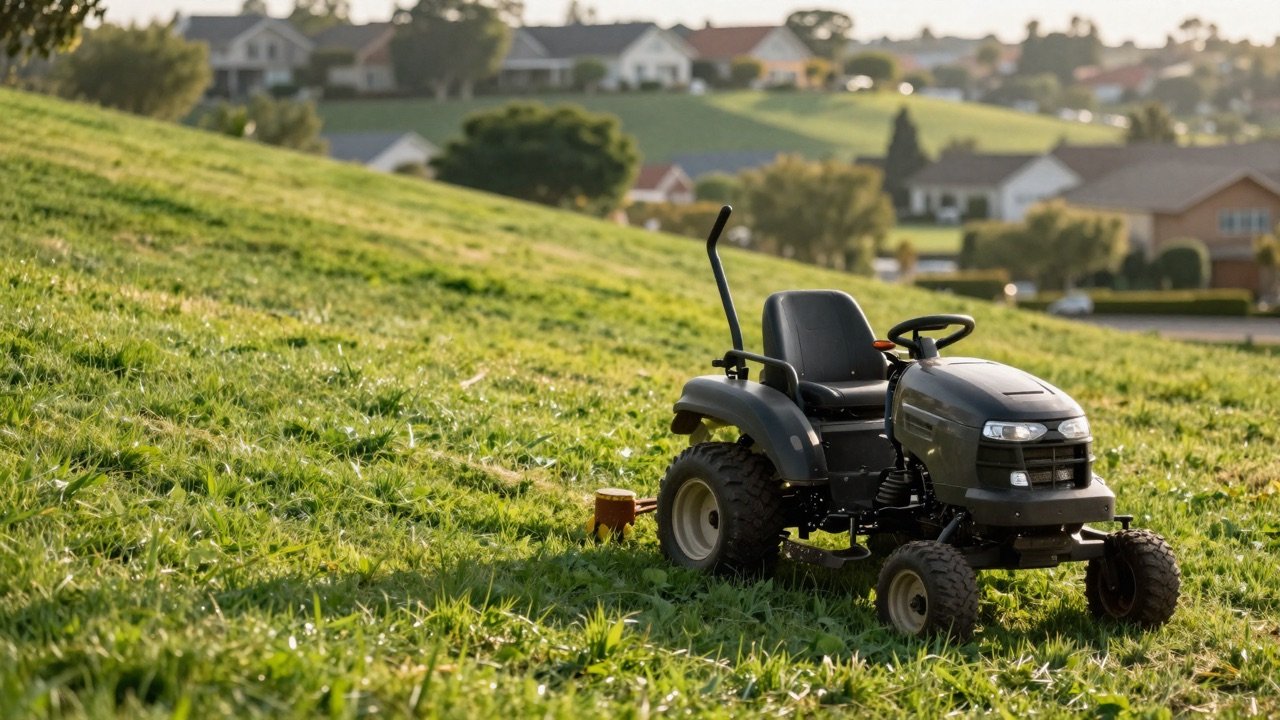
If your yard rolls, climbs, or drops off at the edges, you already know that not every machine is up to the job. Finding the best mower for hills comes down to traction, stability, power, and a few smart safety features that flatter-yard owners rarely think about. Pick the wrong mower and you risk a sluggish cut, spinning wheels, or worse, a tip-over. Pick the right one and a slope that used to take an hour of sweat becomes a routine afternoon job. This guide walks you through exactly what to look for so you can mow your hilly property safely and confidently.
Why Hills Demand a Different Kind of Mower
Flat lawns are forgiving. Slopes are not. Gravity works against you on an incline, pulling the mower (and you) downhill while reducing the grip your tires have on the turf. Wet grass makes it worse. A mower that handles a level yard beautifully can struggle on a 15-degree grade, losing traction, bogging down, or sliding sideways.
On a hill, three things matter most: keeping the wheels gripping the ground, keeping the machine balanced so it does not roll, and keeping enough power to the blades and drive system so you do not stall mid-climb. The best mower for hills is built with all three in mind, not just one.
Key Features to Look For in the Best Mower for Hills
Before you compare brands or price tags, focus on the features that actually determine how a mower performs on a slope. Here is what separates a hill-ready machine from one that will fight you every pass:
- Low center of gravity: A wider stance and lower body resist tipping. Tall, narrow machines feel top-heavy on inclines.
- Aggressive, wide tires: Deep treads and a wider footprint bite into the turf and spread the mower’s weight, improving grip.
- All-wheel drive or rear-wheel drive: Front-wheel-drive units lose traction when weight shifts to the back on a climb. RWD and AWD keep power where you need it.
- Strong engine and torque: Climbing takes more power than cruising. Look for adequate horsepower and torque so the mower does not bog down.
- Differential lock (on tractors): Locks both drive wheels together so one tire cannot spin uselessly while the other sits still.
- Hydrostatic transmission: Smooth, gradual speed control lets you ease up and down slopes instead of lurching.
If you are comparing several models, weigh these features first. A mower can have a big engine and still be a poor hill performer if it sits high and rides on skinny tires.
Which Mower Type Is Best for Slopes?
The right category depends on how steep your terrain is and how much ground you cover. Here is how the main options stack up on hilly land.
Self-Propelled Walk-Behind Mowers
For smaller yards with moderate slopes, a rear-wheel-drive self-propelled push mower is often the safest and most controllable choice. You stay on your feet, so there is no tip-over risk to the operator, and you can guide the mower precisely. Look for variable-speed drive and large rear wheels. These are ideal for slopes up to roughly 15 degrees.
Riding Lawn Tractors
Lawn tractors handle larger properties with gentle to moderate hills. Their longer wheelbase adds stability, and many include differential locks and capable transmissions. Most manufacturers rate riding tractors for slopes up to about 15 degrees. Always mow up and down gentle slopes with a tractor, never across, to reduce roll risk.
Zero-Turn Mowers
Zero-turns are fast and cut beautifully on flat or gently rolling land, but they require respect on hills. Their rear-wheel steering can lose traction on steep or wet slopes. Many newer zero-turns add features to improve hillside grip, and they shine on properties that are mostly flat with a few mild grades. For steep terrain, they are usually not the first pick.
Articulating and Specialty Mowers
For genuinely steep or uneven ground, some owners turn to articulating mowers or all-wheel-drive machines designed specifically for rough terrain. These cost more but stay planted where standard mowers slip.
Safety First: Mowing Slopes Without Taking Risks
Even the best mower for hills is only as safe as the person operating it. Slope-related tip-overs are one of the most common causes of serious mowing injuries, so technique matters as much as equipment. Follow these rules every time:
- Walk-behind mowers: Mow across the slope (side to side), never up and down, so the machine cannot roll back onto you.
- Riding mowers and tractors: Do the opposite. Mow straight up and down the slope, never across, to keep the machine from rolling sideways.
- Avoid wet grass: Wait until the lawn is dry. Wet turf dramatically reduces traction.
- Know your mower’s slope rating: Check the owner’s manual and never exceed the manufacturer’s maximum recommended incline.
- Slow down: Reduce speed on every slope, and avoid sudden turns or stops that can break traction.
- Keep kids and pets clear: Discharge direction and reduced control on hills make a clear work zone essential.
When in doubt about whether a slope is too steep, it usually is. A handheld string trimmer is a far better tool for the steepest banks than a mower that could roll.
How to Match a Mower to Your Specific Yard
Before you buy, take a few minutes to size up your property. Measure the steepest grade you will be mowing. You can estimate it with a level and a ruler, or many smartphone apps include an inclinometer. Then count how much total area you cover and note whether the hills are dry and grassy or shaded, damp, and bumpy.
A half-acre with one gentle rise calls for a very different machine than two acres of steep, terraced banks. If you are unsure which category fits your land, our team is glad to talk it through with you. We field these questions every day, and a quick conversation can save you from buying more (or less) mower than you need. Reach out through our contact page or browse current options in the shop.
Frequently Asked Questions
What is the steepest slope a riding mower can safely handle?
Most riding lawn tractors and zero-turn mowers are rated for slopes up to about 15 degrees. Always check your specific model’s owner’s manual, since the rating varies by machine, and never exceed it. For steeper ground, a self-propelled walk-behind mower or a string trimmer is safer.
Is a zero-turn or a lawn tractor better for hills?
For moderate, mostly dry slopes, a lawn tractor’s longer wheelbase usually offers more stability and predictable traction. Zero-turns are faster and great on flat or gently rolling land, but their rear-wheel steering can slip on steep or wet hills. For hilly yards, a tractor is often the safer all-rounder.
Do I need all-wheel drive to mow a slope?
Not always, but it helps. All-wheel-drive and rear-wheel-drive mowers keep power at the wheels with the most grip when you climb, while front-wheel-drive units tend to lose traction as weight shifts backward. For consistent hills, AWD or RWD is worth the upgrade.
Should I mow hills when the grass is wet?
No. Wet grass sharply reduces traction and is the leading cause of slips and slides on slopes. Wait until the lawn dries, mow at a slower speed, and follow the up-and-down or side-to-side rule for your mower type.
Find the Right Mower for Your Slopes
The best mower for hills is the one that matches your terrain, gives you confident traction, and keeps you safe on every pass. Prioritize a low center of gravity, grippy wide tires, rear- or all-wheel drive, and an engine with enough torque to climb without bogging down, then pair the right machine with smart mowing technique. Ready to find your match? Explore our full lineup of mowers and outdoor power equipment in the Garden Homes Realty shop, or get in touch with our team for a free, no-pressure recommendation. With free US shipping, 30-day returns, and real-person support, we will help you tackle that hill with confidence.